


Fabrication of a drug delivery system that enhances antifungal drug corneal penetration
- PMID: 29658325
- PMCID: PMC6058611
- DOI: 10.1080/10717544.2018.1461278
Fabrication of a drug delivery system that enhances antifungal drug corneal penetration
Abstract
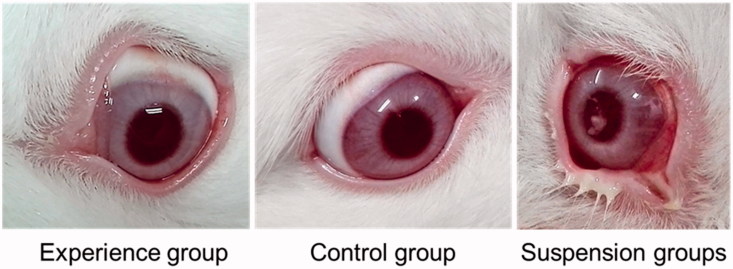
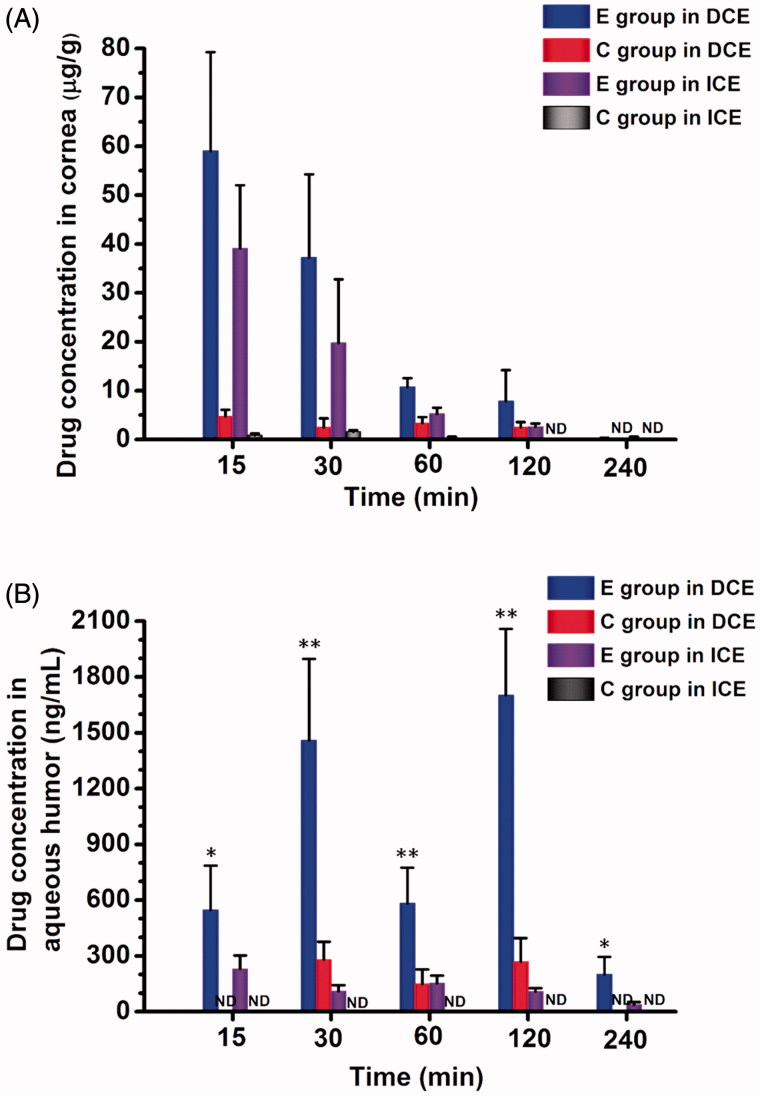
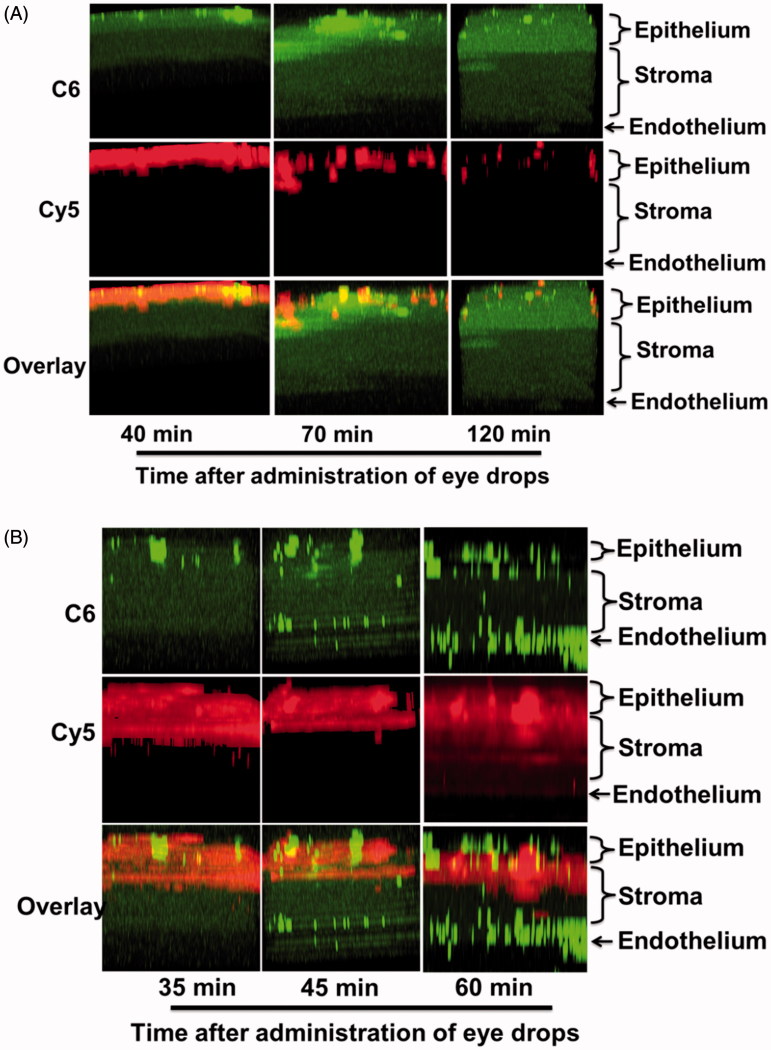
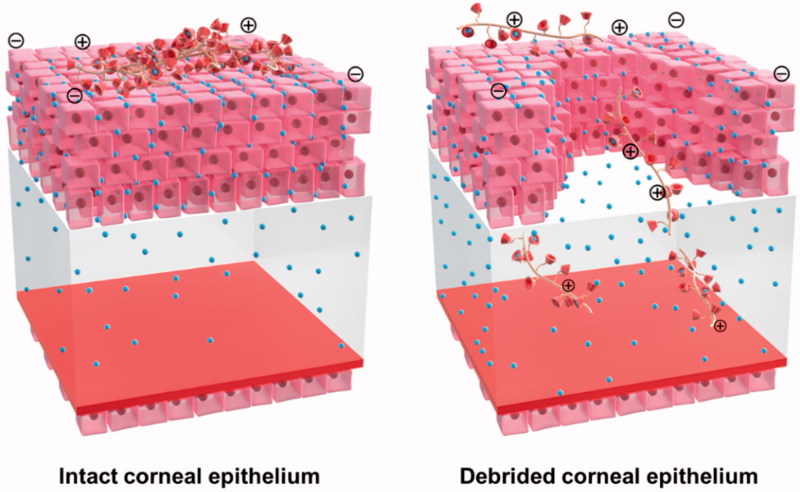
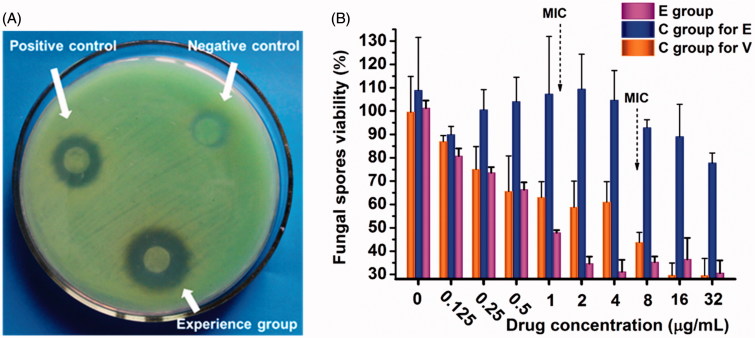
Fungal keratitis (FK) remains a severe eye disease, and effective therapies are limited by drug shortages and critical ocular barriers. Despite the high antifungal potency and broad spectrum of econazole, its strong irritant and insolubility in water hinder its ocular application. We designed and fabricated a new drug delivery system based on a polymeric vector for the ocular antifungal application of econazole. This novel system integrates the advantages of its constituent units and exhibits superior comprehensive performance. Using the new system, drug content was significantly increased more than 600 folds. The results of in vivo and in vitro experiments demonstrated that the econazole-loaded formulation exhibited significantly enhanced corneal penetration after a single topical ocular administration, excellent antifungal activity, and good tolerance in rabbits. Drug concentrations and ocular relative bioavailability in the cornea were 59- and 29-time greater than those in the control group, respectively. Following the topical administration of one eye drop (50 μL of 0.3% w/v econazole) in fungus-infected rabbits, a high concentration of antimycotic drugs in the cornea and aqueous humor was sustained and effective for 4 h. The mechanism of corneal penetration was also explored using dual fluorescent labeling. This novel drug delivery system is a promising therapeutic approach for oculomycosis and could serve as a candidate strategy for use with various hydrophobic drugs to overcome barriers in the treatment of many other ocular diseases.
Keywords: Fungal keratitis; corneal penetration; dual fluorescent label; pharmacokinetics; polymeric vector.
Figures

References
-
- Ahn M, Yoon KC, Ryu SK, et al. (2011). Clinical aspects and prognosis of mixed microbial (bacterial and fungal) keratitis. Cornea 30:409–13. - PubMed
-
- Alamdarnejad G, Sharif A, Taranejoo S, et al. (2013). Synthesis and characterization of thiolated carboxymethyl chitosan-graft-cyclodextrin nanoparticles as a drug delivery vehicle for albendazole. J Mater Sci Mater Med 24:1939–49. - PubMed
-
- Ali J, Fazil M, Qumbar M, et al. (2016). Colloidal drug delivery system: amplify the ocular delivery. Drug Deliv 23:700–16. - PubMed
-
- Alvarado HL, Abrego G, Garduño-Ramirez ML, et al. (2015). Design and optimization of oleanolic/ursolic acid-loaded nanoplatforms for ocular anti-inflammatory applications. Nanomedicine 11:521–30. - PubMed
-
- Baba K, Tanaka Y, Kubota A, et al. (2011). A method for enhancing the ocular penetration of eye drops using nanoparticles of hydrolyzable dye. J Control Release 153:278–87. - PubMed
MeSH terms
Substances
LinkOut - more resources
Full Text Sources
Other Literature Sources
