


Conservation of Sex-Linked Markers among Conspecific Populations of a Viviparous Skink, Niveoscincus ocellatus, Exhibiting Genetic and Temperature-Dependent Sex Determination
- PMID: 29659810
- PMCID: PMC5905450
- DOI: 10.1093/gbe/evy042
Conservation of Sex-Linked Markers among Conspecific Populations of a Viviparous Skink, Niveoscincus ocellatus, Exhibiting Genetic and Temperature-Dependent Sex Determination
Abstract
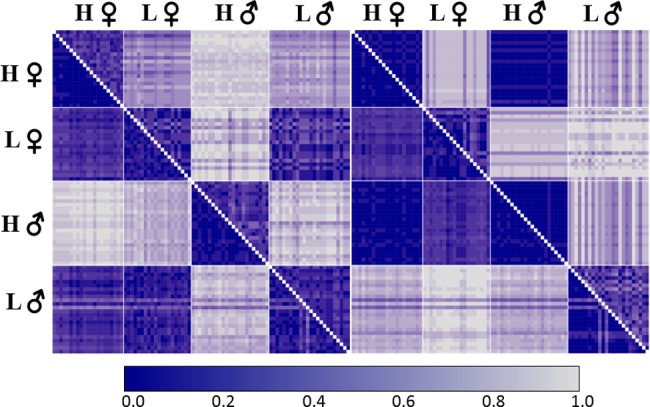
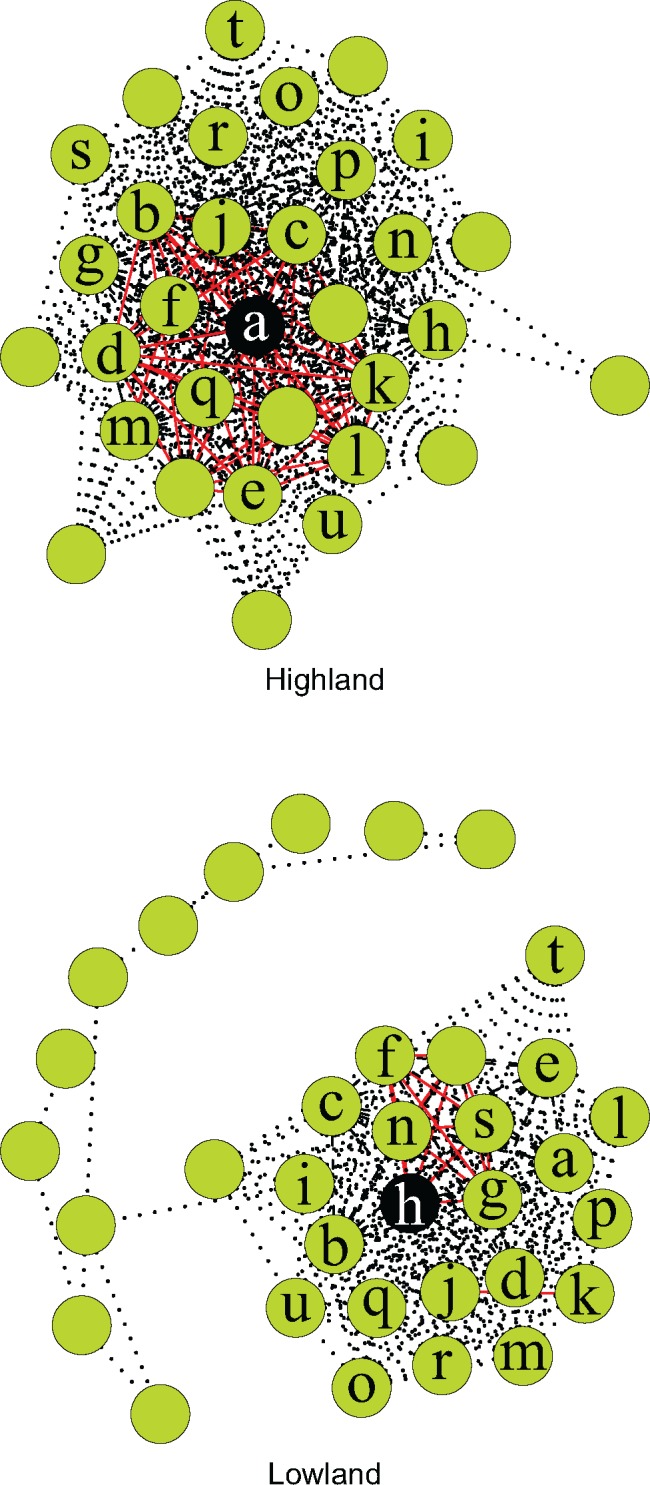
Sex determination systems are exceptionally diverse and have undergone multiple and independent evolutionary transitions among species, particularly reptiles. However, the mechanisms underlying these transitions have not been established. Here, we tested for differences in sex-linked markers in the only known reptile that is polymorphic for sex determination system, the spotted snow skink, Niveoscincus ocellatus, to quantify the genomic differences that have accompanied this transition. In a highland population, sex is determined genetically, whereas in a lowland population, offspring sex ratio is influenced by temperature. We found a similar number of sex-linked loci in each population, including shared loci, with genotypes consistent with male heterogamety (XY). However, population-specific linkage disequilibrium suggests greater differentiation of sex chromosomes in the highland population. Our results suggest that transitions between sex determination systems can be facilitated by subtle genetic differences.
Figures
References
-
- Adkins-Regan E, Hudson KR.. 2014. Sexual dimorphism in body size and the origin of sex-determination systems. Am Nat. 183(4):519–536. - PubMed
-
- Alho JS, Matsuba C, Merila J.. 2010. Sex reversal and primary sex ratios in the common frog (Rana temporaria). Mol Ecol. 19(9):1763–1773. - PubMed
-
- Benjamini Y, Yekutieli D.. 2001. The control of the false discovery rate in multiple testing under dependency. Ann Statist. 29:1165–1188.
Publication types
MeSH terms
LinkOut - more resources
Full Text Sources
Other Literature Sources
