


Assumptions made when preparing drug exposure data for analysis have an impact on results: An unreported step in pharmacoepidemiology studies
- PMID: 29667263
- PMCID: PMC6055712
- DOI: 10.1002/pds.4440
Assumptions made when preparing drug exposure data for analysis have an impact on results: An unreported step in pharmacoepidemiology studies
Abstract
Purpose: Real-world data for observational research commonly require formatting and cleaning prior to analysis. Data preparation steps are rarely reported adequately and are likely to vary between research groups. Variation in methodology could potentially affect study outcomes. This study aimed to develop a framework to define and document drug data preparation and to examine the impact of different assumptions on results.
Methods: An algorithm for processing prescription data was developed and tested using data from the Clinical Practice Research Datalink (CPRD). The impact of varying assumptions was examined by estimating the association between 2 exemplar medications (oral hypoglycaemic drugs and glucocorticoids) and cardiovascular events after preparing multiple datasets derived from the same source prescription data. Each dataset was analysed using Cox proportional hazards modelling.
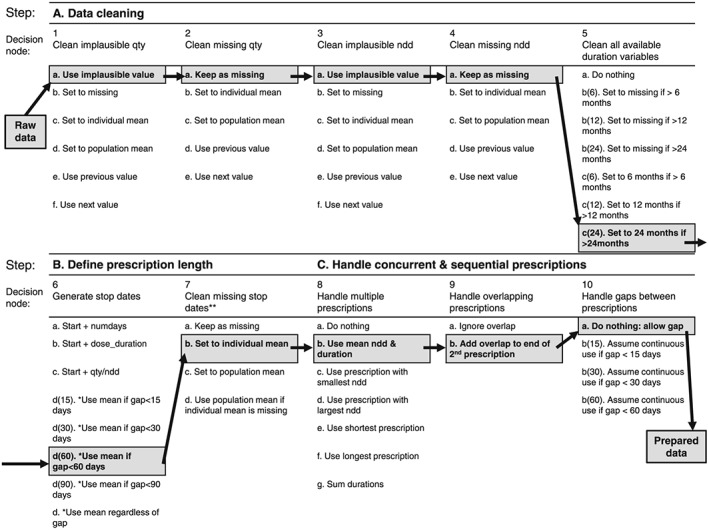
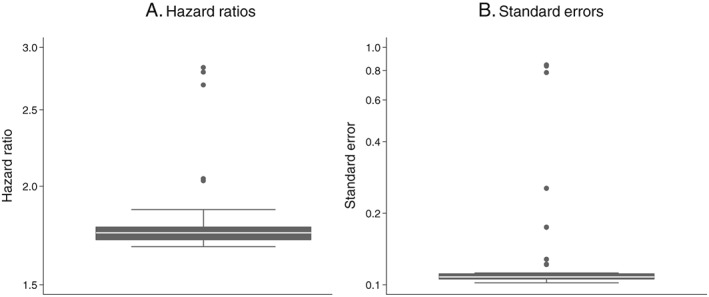
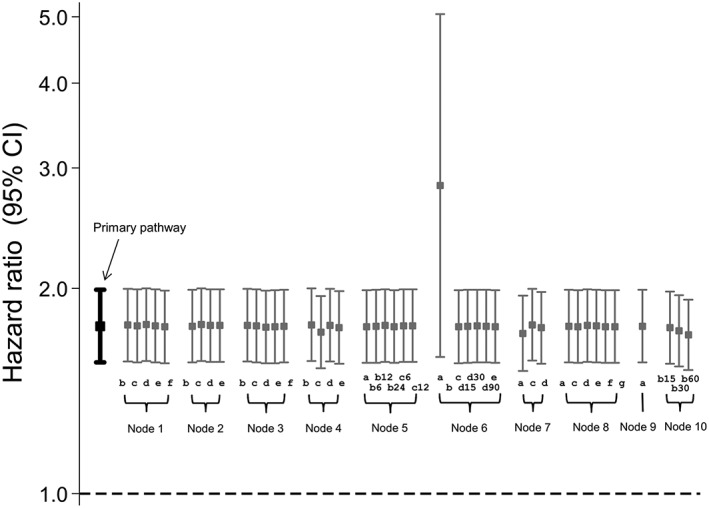
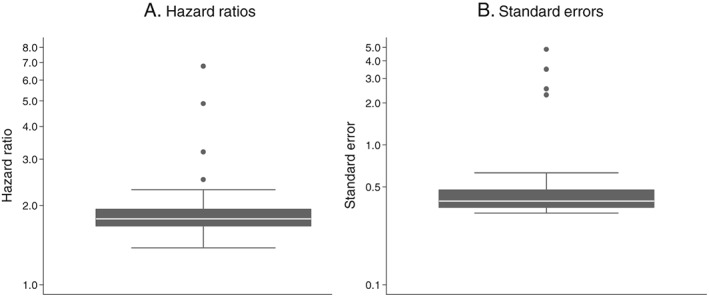
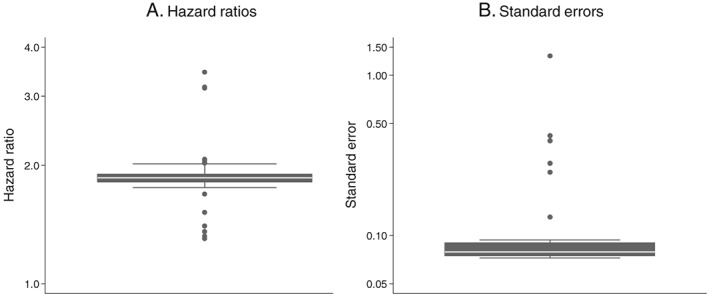
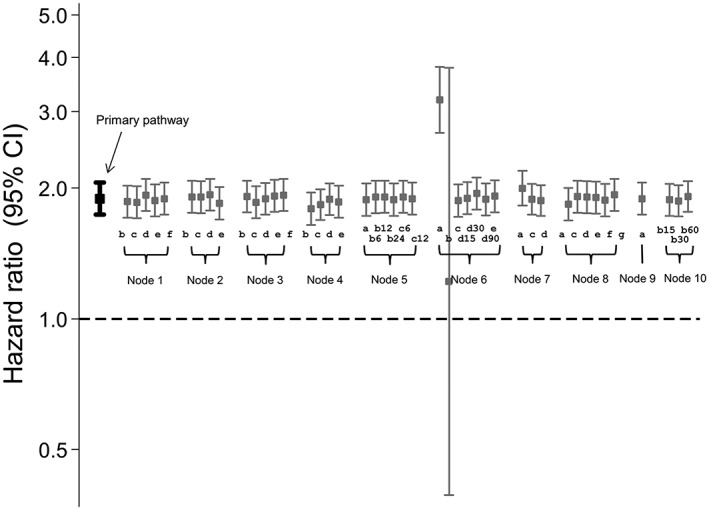
Results: The algorithm included 10 decision nodes and 54 possible unique assumptions. Over 11 000 possible pathways through the algorithm were identified. In both exemplar studies, similar hazard ratios and standard errors were found for the majority of pathways; however, certain assumptions had a greater influence on results. For example, in the hypoglycaemic analysis, choosing a different variable to define prescription end date altered the hazard ratios (95% confidence intervals) from 1.77 (1.56-2.00) to 2.83 (1.59-5.04).
Conclusions: The framework offers a transparent and efficient way to perform and report drug data preparation steps. Assumptions made during data preparation can impact the results of analyses. Improving transparency regarding drug data preparation would increase the repeatability, reproducibility, and comparability of published results.
Keywords: data preparation; pharmacoepidemiology; reproducibility; transparency.
© 2018 The Authors. Pharmacoepidemiology & Drug Safety Published by John Wiley & Sons Ltd.
Figures

References
-
- von Elm E, Altman DG, Egger M, et al. The Strengthening the Reporting of Observational Studies in Epidemiology (STROBE) statement: guidelines for reporting observational studies. J Clin Epidemiol. 2008;61(4):344‐349. 10.1016/j.jclinepi.2007.11.008 [published Online First: 2008/03/04]. - DOI - PubMed
-
- Rothman KJ. Modern Epidemiology. 2nd Revised ed. United States of America: Lippincott Williams and Wilkins; 1997.
-
- Osborne J. Best Practices in Data Cleaning: A Complete Guide to Everything You Need to Do Before and After Collecting Your Data. United States of America: SAGE Publications, Inc.; 2013.
Publication types
MeSH terms
Substances
Grants and funding
LinkOut - more resources
Full Text Sources
Other Literature Sources
Medical
