


Review
doi: 10.1039/c7sc04768a.
eCollection 2018 Feb 14.
sp3 C-H activation via exo-type directing groups
Affiliations
- PMID: 29675189
- PMCID: PMC5892337
- DOI: 10.1039/c7sc04768a
Item in Clipboard
Review
sp3 C-H activation via exo-type directing groups
Chem Sci.
.
Abstract
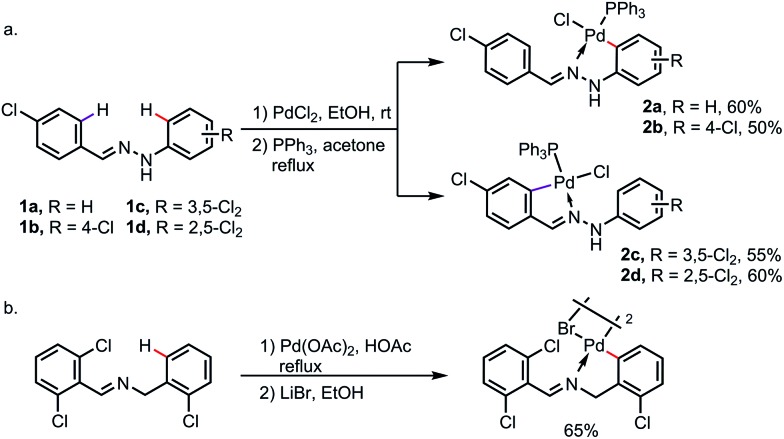
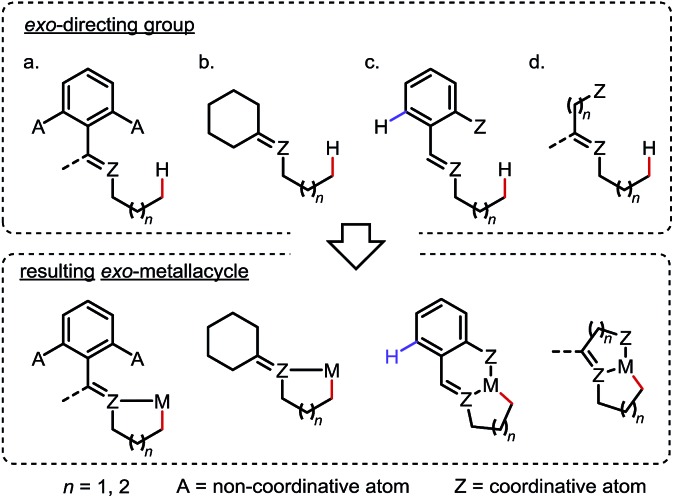
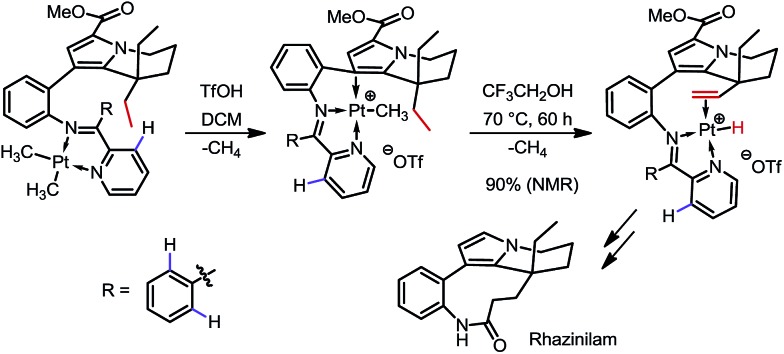
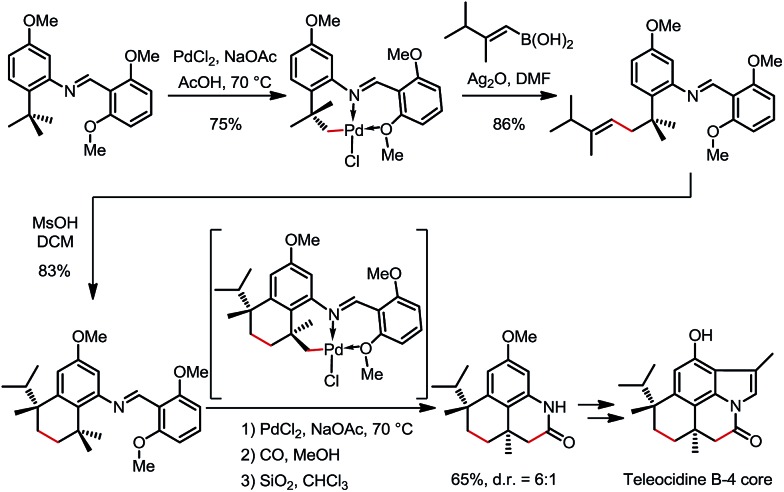
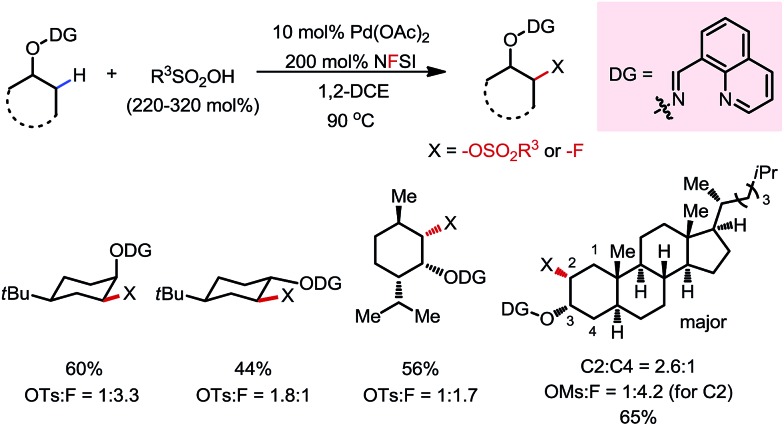
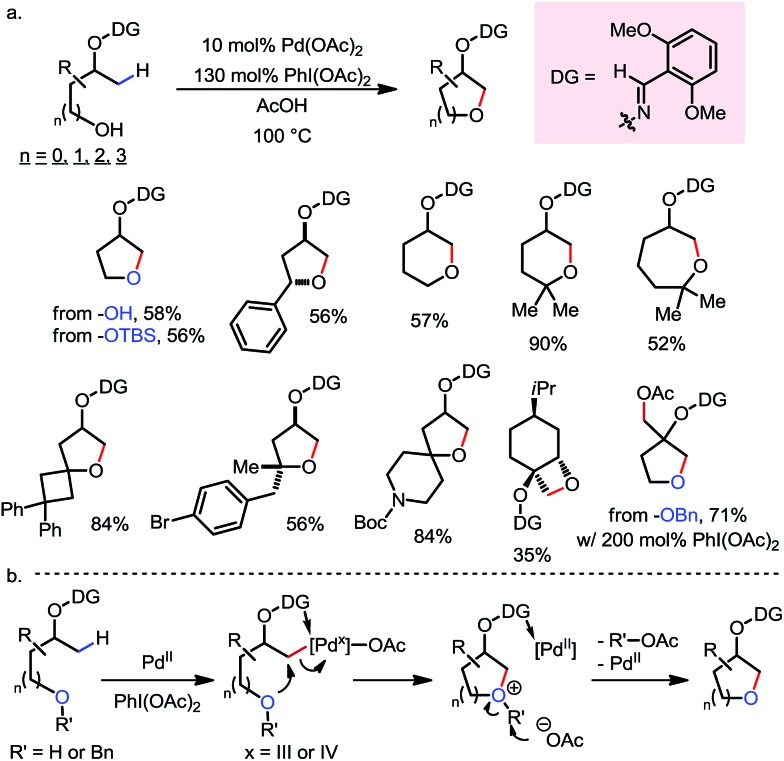
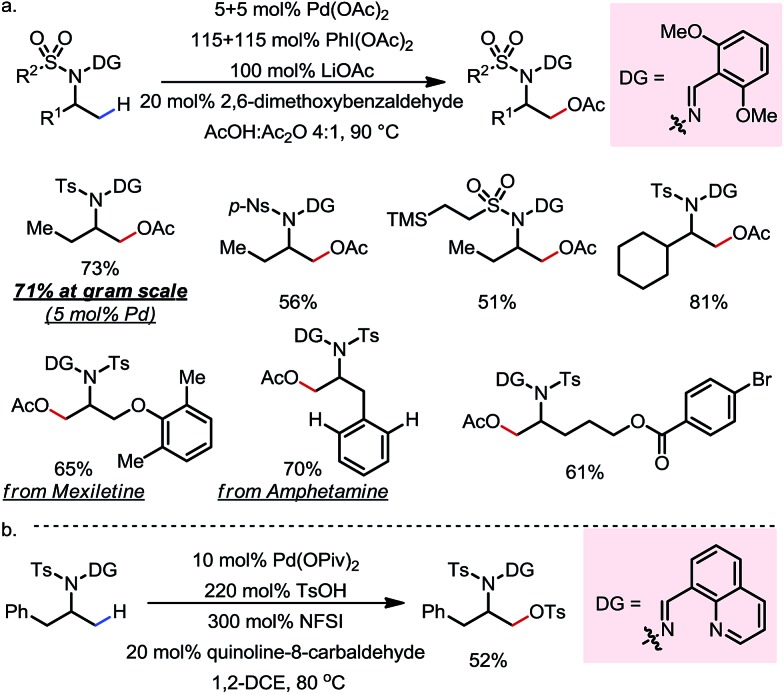
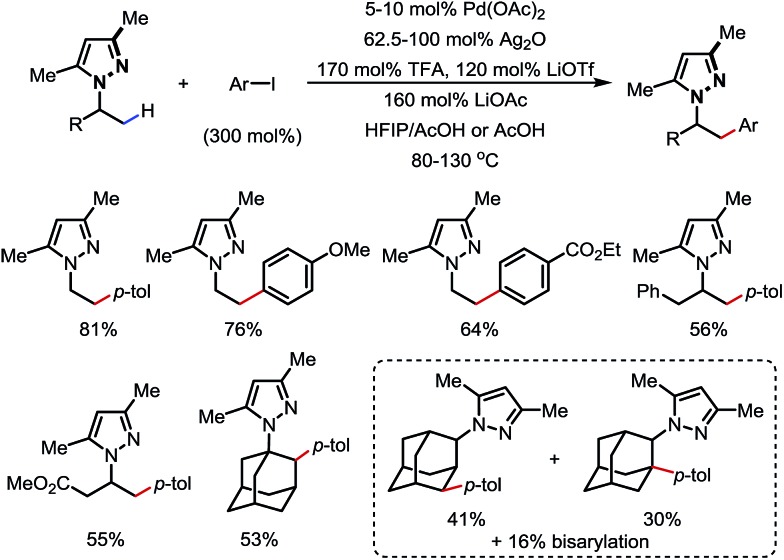
The application of exo-type directing groups (DGs) has led to the discovery of a wide range of novel C(sp3)-H activation methods, which allow efficient and site-selective functionalization of alcohol and amide derivatives. In this mini-review we discuss the challenges of this field and summarize the achievements, including DG designs, reaction discoveries and mechanistic studies.
Figures
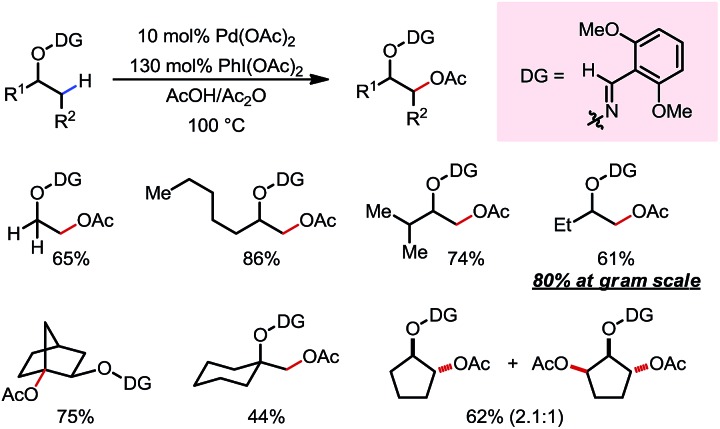
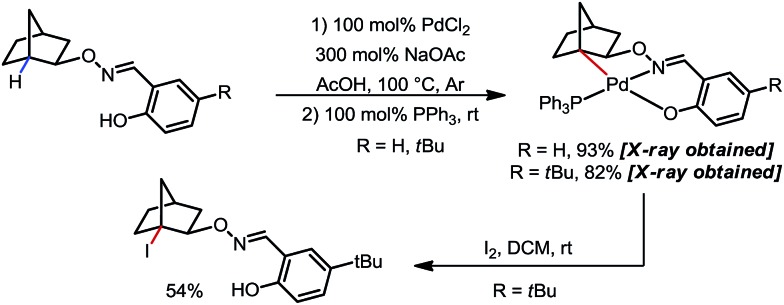
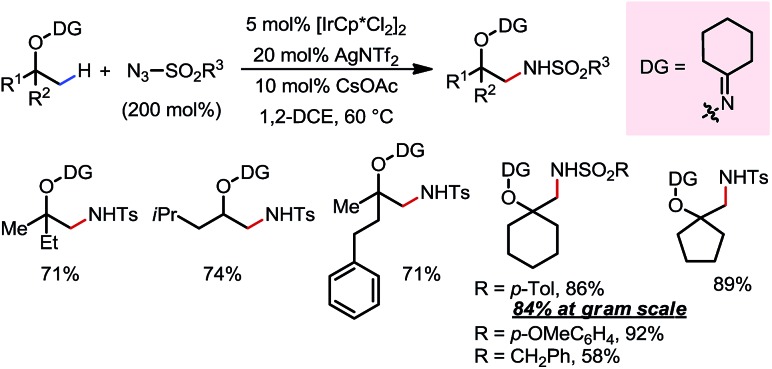
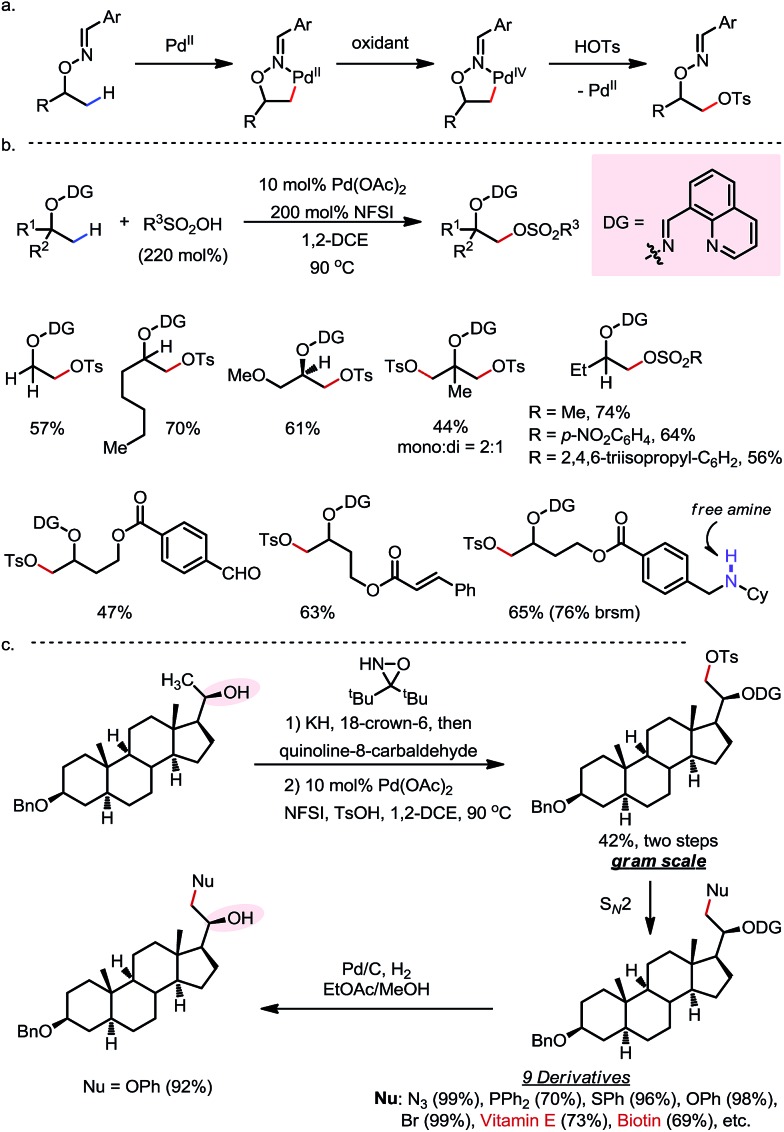
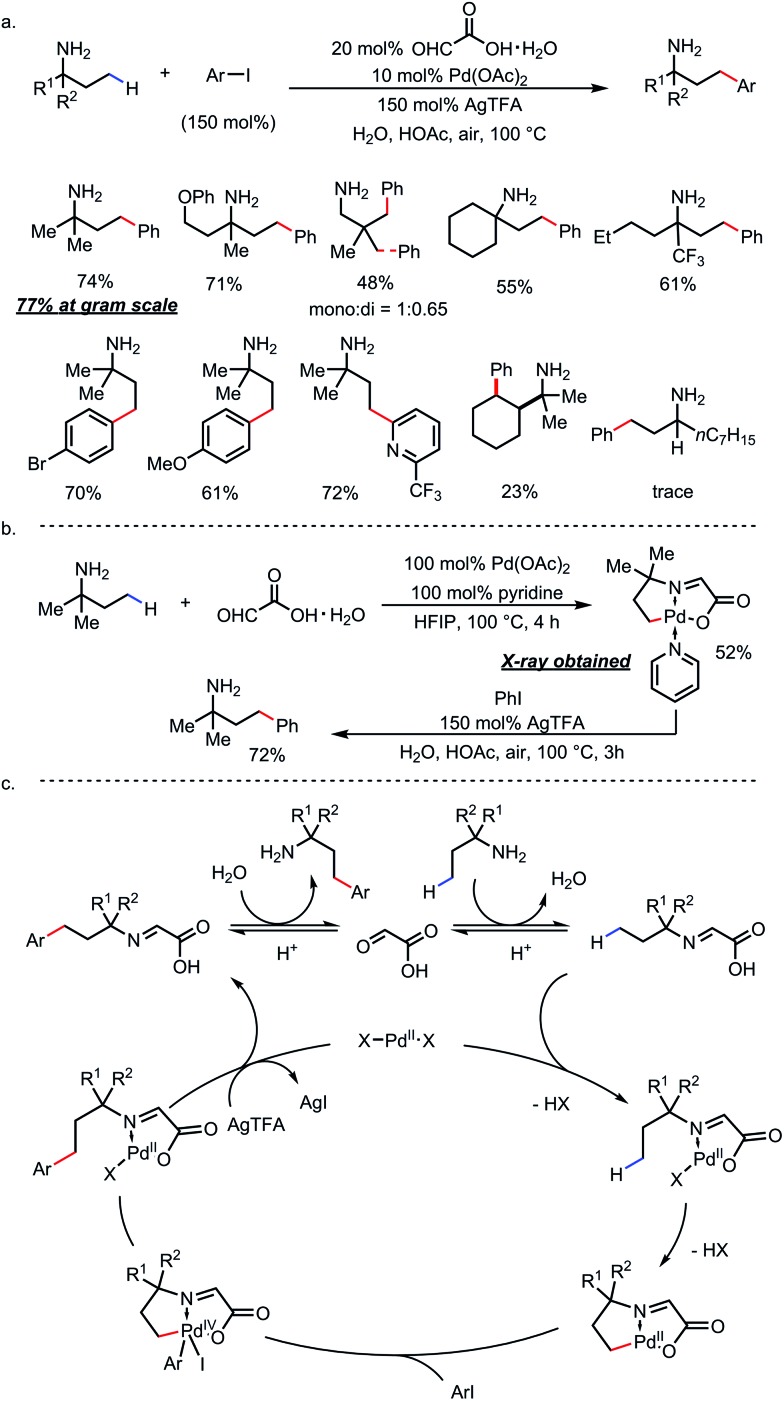
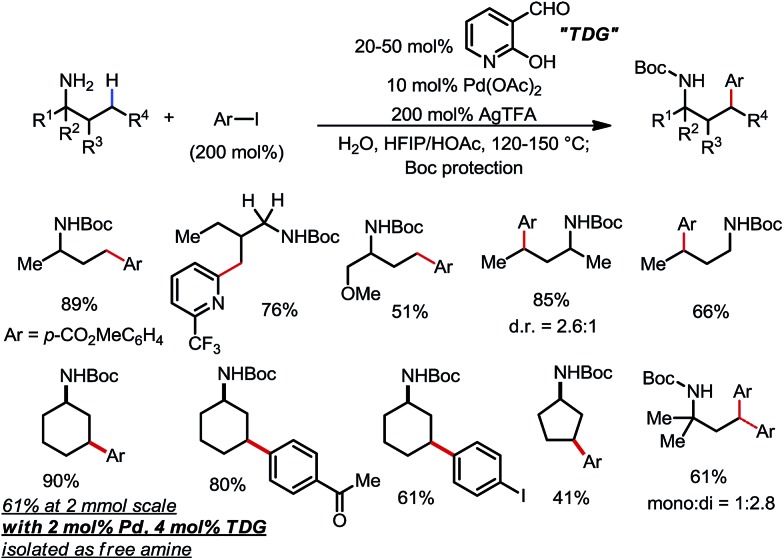
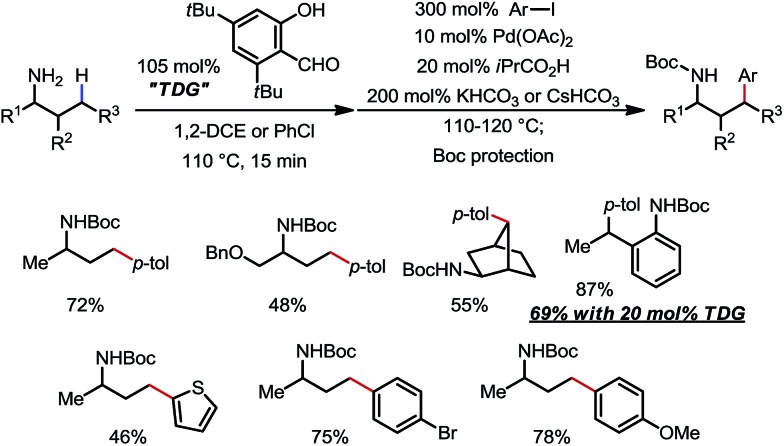
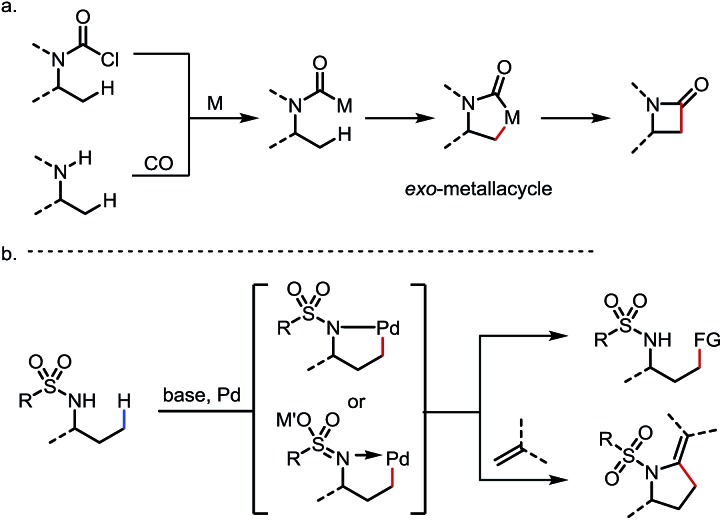
References
-
- Daugulis O., Do H.-Q., Shabashov D. Acc. Chem. Res. 2009;42:1074–1086. - PMC - PubMed
- Lyons T. W., Sanford M. S. Chem. Rev. 2010;110:1147–1169. - PMC - PubMed
- Colby D. A., Bergman R. G., Ellman J. A. Chem. Rev. 2010;110:624–655. - PMC - PubMed
- Yu J.-Q. and Shi Z., Topics in Current Chemistry, C–H Activation, Springer, 2010, vol. 292. - PubMed
- Davies H. M. L., Du Bois J., Yu J.-Q. Chem. Soc. Rev. 2011;40:1855–1856. - PubMed
- Yamaguchi J., Yamaguchi A. D., Itami K. Angew. Chem., Int. Ed. 2012;51:8960–9009. - PubMed
- White M. C. Science. 2012;335:807–810. - PubMed
- Yang L., Huang H. Chem. Rev. 2015;115:3468–3517. - PubMed
- Gensch T., Hopkinson M., Glorius F., Wencel-Delord J. Chem. Soc. Rev. 2016;45:2900–2936. - PubMed
- He J., Wasa M., Chan K. S. L., Shao Q., Yu J.-Q. Chem. Rev. 2017;117:8754–8786. - PMC - PubMed
- Dong Z., Ren Z., Thompson S. J., Xu Y., Dong G. Chem. Rev. 2017;117:9333–9403. - PubMed
- Hummel J. R., Boerth J. A., Ellman J. A. Chem. Rev. 2017;117:9163–9227. - PMC - PubMed
- Kim D. S., Park W. J., Jun C. H. Chem. Rev. 2017;117:8977–9015. - PubMed
- Park Y., Kim Y., Chang S. Chem. Rev. 2017;117:9247–9301. - PubMed
- Baudoin O. Acc. Chem. Res. 2017;50:1114–1123. - PubMed
-
-
For representative works using endo-type DGs, see:
- Desai L. V., Hull K. L., Sanford M. S. J. Am. Chem. Soc. 2004;126:9542–9543. - PubMed
- Giri R., Chen X., Yu J.-Q. Angew. Chem., Int. Ed. 2005;44:2112–2115. - PubMed
- Giri R., Maugel N., Li J.-J., Wang D.-H., Breazzano S. P., Saunders L. B., Yu J.-Q. J. Am. Chem. Soc. 2007;129:3510–3511. - PubMed
- Zhang F.-L., Hong K., Li T.-J., Park H., Yu J.-Q. Science. 2016;351:252–256. - PMC - PubMed
- Yang K., Li Q., Liu Y., Li G., Ge H. J. Am. Chem. Soc. 2016;138:12775–12778. - PubMed
- Xu Y., Young M. C., Dong G. J. Am. Chem. Soc. 2017;139:5716–5719. - PubMed
-
-
- Dupont J., Consorti C. S., Spencer J. Chem. Rev. 2005;105:2527–2571. - PubMed
-
- De Munno G., Ghedini M., Neve F. Inorg. Chim. Acta. 1995;239:155–158.
- Barro J., Granell J., Saiz D., Sales J., Font-Bardía M., Solans X. J. Organomet. Chem. 1993;456:147–154.
-
- Clark P. W., Dyke S. F., Smith G. J. Organomet. Chem. 1987;330:447–460.
Publication types
LinkOut - more resources
Full Text Sources
Other Literature Sources
