Selective dorsal rhizotomy: current state of practice and the role of imaging
- PMID: 29675362
- PMCID: PMC5891677
- DOI: 10.21037/qims.2018.01.08
Selective dorsal rhizotomy: current state of practice and the role of imaging
Abstract
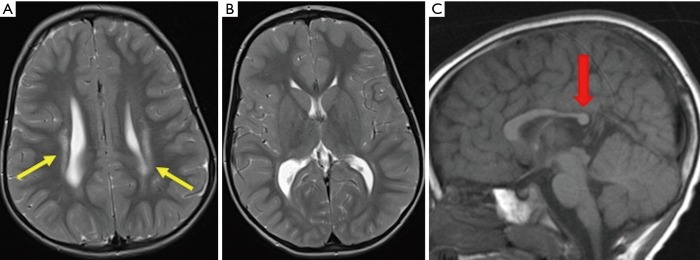
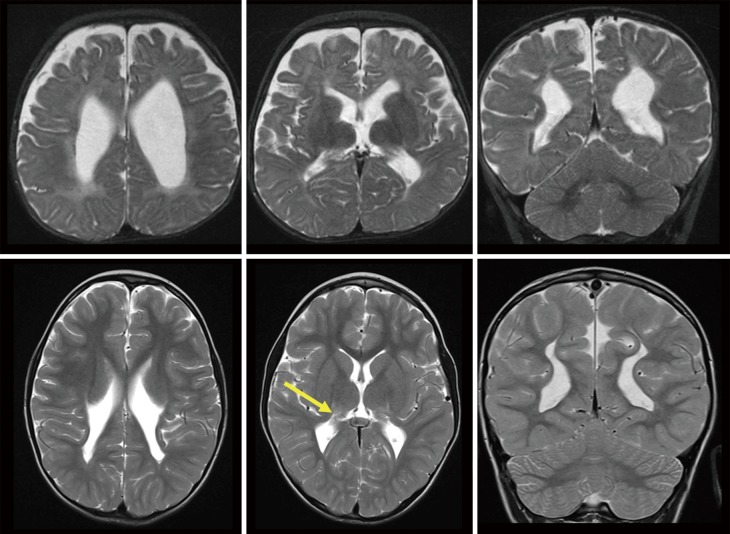
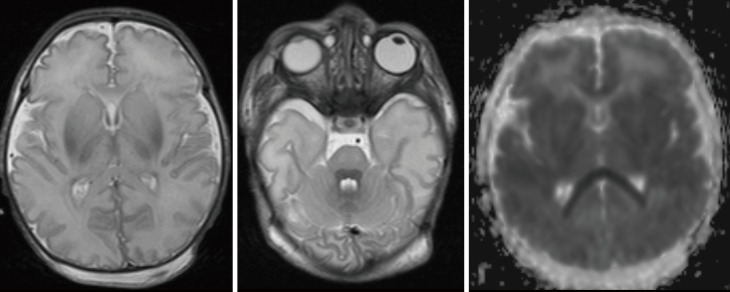
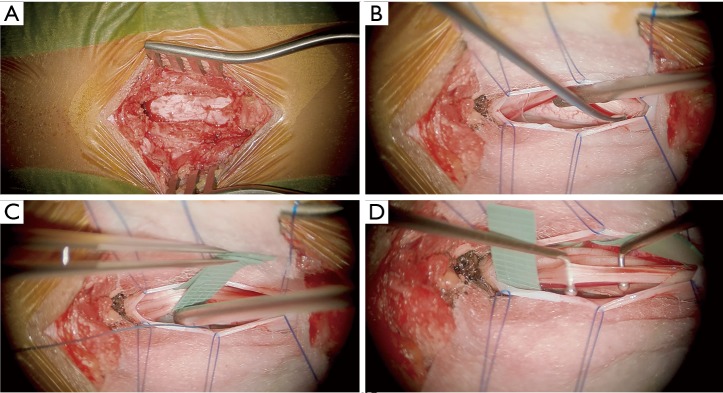
Spastic diplegic cerebral palsy (CP) is the most common form of CP. A specific goal-oriented approach, tailored to the child, is essential to management in all forms of CP. Selective dorsal rhizotomy (SDR) is a neurosurgical procedure that permanently reduces lower limb spasticity in children with spastic diplegic CP. The current technique is performed through a single level laminectomy at the level of the conus and, with the aid of intraoperative electromyography (EMG), allows selective division of the afferent lumbosacral nerve roots. In carefully selected children, reduction in spasticity has positive effects on the growing child. SDR is associated with minimal complications and good long-term outcomes. This article describes the surgical technique and patient selection, including the importance of medical imaging, and discusses the long-term outcomes of SDR.
Keywords: Cerebral palsy (CP); neuroimaging; neurosurgery; pediatrics; selective dorsal rhizotomy (SDR).
Conflict of interest statement
Conflicts of Interest: The authors have no conflicts of interest to declare.
Figures
References
-
- Albright AL. Neurosurgical options in cerebral palsy. Paediatrics and Child Health 2008;18:414-8. 10.1016/j.paed.2008.05.010 - DOI
-
- Wimalasundera N. Developmental problems and the child with special needs. In: Lissauer T, Clayden G, editors. Illustrated textbook of paediatrics (4 ed). Edinburgh: Mosby, 2012.
Publication types
LinkOut - more resources
Full Text Sources
Other Literature Sources
Miscellaneous