. 2018 Jul 28:427:49-62.
doi: 10.1016/j.canlet.2018.04.017. Epub 2018 Apr 18.

Reversal of drug resistance by planetary ball milled (PBM) nanoparticle loaded with resveratrol and docetaxel in prostate cancer

Affiliations

Reversal of drug resistance by planetary ball milled (PBM) nanoparticle loaded with resveratrol and docetaxel in prostate cancer

Santosh Kumar Singh et al. Cancer Lett. .

Abstract

The folate receptor (FR) is a valued target that is highly expressed in various cancers, which will expedite the development of ligand-receptor binding based cancer therapeutics. In the present investigation, through tissue microarray analysis, we report higher levels of folate receptor expression in prostate cancer (PCa) tissue derived from patients, which were minimal in normal tissue. For folate-receptor based targeted therapy of PCa, we generated novel planetary ball milled (PBM) nanoparticles (NPs) encapsulated with resveratrol (RES), and in combination with docetaxel (DTX) and conjugated with folic acid (FA) on the surface. The cytotoxic effect of FA-conjugated DTX-nanoparticles was found effectual that reduced the concentration of free drug (DTX) to 28 times. Flow cytometry analysis showed a significant increase in the number of apoptotic cells by 30.92% and 65.9% in the FA-conjugated RES and in combination with DTX nanoparticle formulation respectively. However, only 8.9% apoptotic cells were found with control (empty NP). The expressions of NF-kB p65, COX-2, pro (BAX, BAK) and anti-apoptotic (BCL-2, BCL-XL) genes were significantly reduced after treatment with FA-RES + DTX-NP. In addition, the FA-conjugated DTX formulation exhibited additional cytotoxic effects with the down-regulation of survivin and an increased expression of Cleaved Caspase-3 in PCa cells. Further, we observed that treating DTX resistant PCa cells with FA-RES + DTX-NP exhibited a reversal of the ABC-transporter markers thereby limiting the multidrug resistance phenotype of the cancer cells. Our results strongly suggested that FA conjugated nanoparticle drugs acted as effective inhibitors of drug efflux that effectually enhances the intracellular concentration of the drug to exhibit their cytotoxic effect.

Keywords: ABC-Transporters; Docetaxel; Drug resistance; Folate receptors; Nanoparticles; Resveratrol.


Conflict of interest statement

Conflict of Interest: None

Figures

Fig. 1
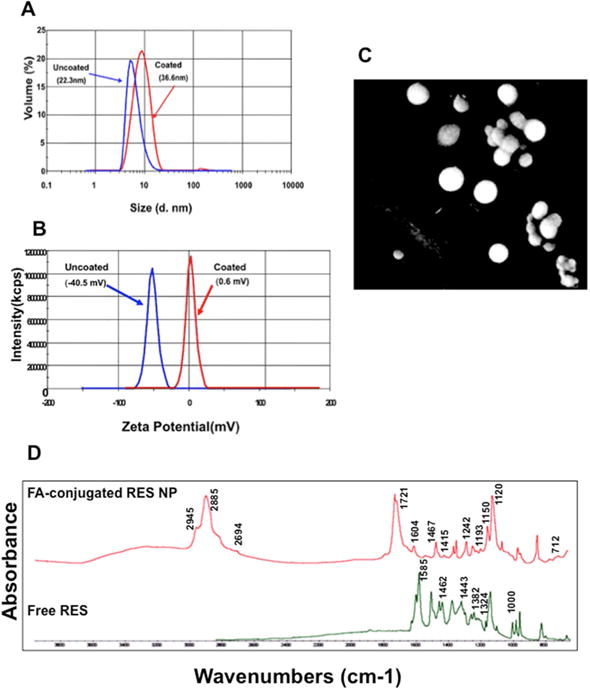
Fig. 1. Characterization of prostate cancer cell-specific PBM nanoparticles for charge, size, morphology and surface chemistry
Resveratrol and docetaxel encapsulated; folic acid conjugated PCL-PEG coated and uncoated nanoparticles (A) size and (B) zeta potential (measured using a Malvern Zeta Sizer NS instrument). (C) Scanning electron microscope showing surface morphology of PBM nanoparticles coat with platinum–palladium layer. (D) Fourier transform infrared spectrum of synthesized resveratrol PBM nanoparticle and free resveratrol. The data were collected in absorption mode with 64 background scans and the wave number ranging from 4000 to 500 cm−1.
Fig. 2
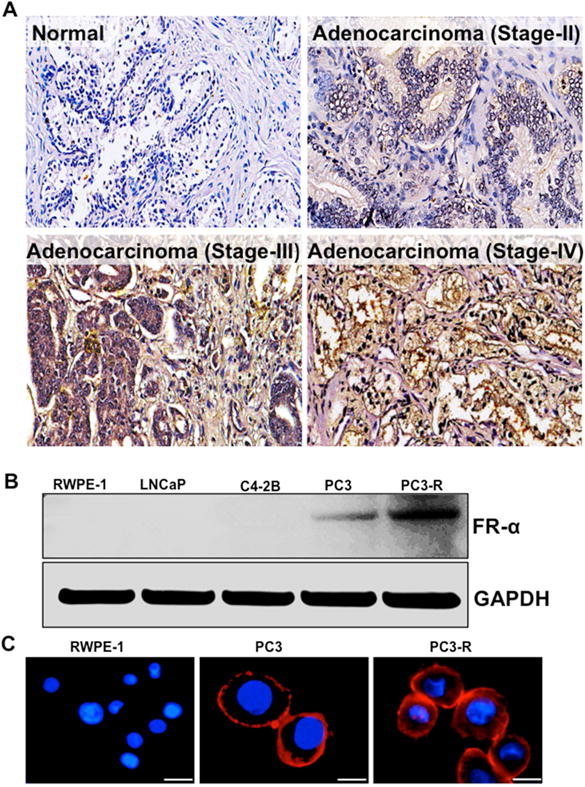
Fig. 2. Folate receptor expression in human prostate cancer tissue and cells
(A) Prostate tissues from normal, matched, moderately, poorly and well-differentiated carcinoma stained with anti-folate receptor-α (FRα) antibody and DAB staining. An Aperio ScanScope CS system with a 40× objective was used to capture digital images of each tissue. (B) Immunoblot expression of the anti-FRα antibody in RWPE-1, LNCaP, C4-2B, PC3 and PC3-R cells. GAPDH antibody was used as a loading control for all the samples. (C) Expression of folate receptor in PCa cells (immunofluorescence staining using anti-FRα antibody); Red: indicates the expression of FRα; Blue: Nuclei counterstained with DAPI, and images captured at 40×. Scale bar, 50 μm.
Fig. 3
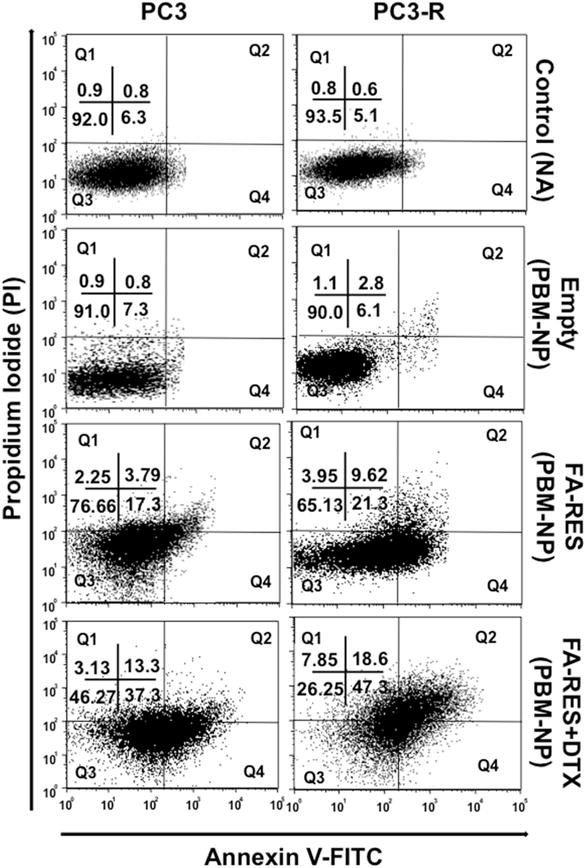
Fig. 3. PBM Nanoparticle-mediated apoptosis of prostate tumor cells
Flow cytometric analysis of Annexin V-FITC and PI-stained PC3 and PC3-R cells treated with FA-conjugated RES-NP (3μM) and RES+DTX-NP (3μM+0.01μM) for 48 h. The numbers in quadrant indicate the percentage of Q1 (necrotic): (Annexin(−)/(PI(+), Q2 (late apoptotic): (Annexin(+)/(PI(+), Q3 (viable): Annexin(−)/(PI(−) and Q4 (early): (Annexin(+)/(PI(−) cells respectively. Data shown are the representative mean of three independent experiments.
Fig. 4
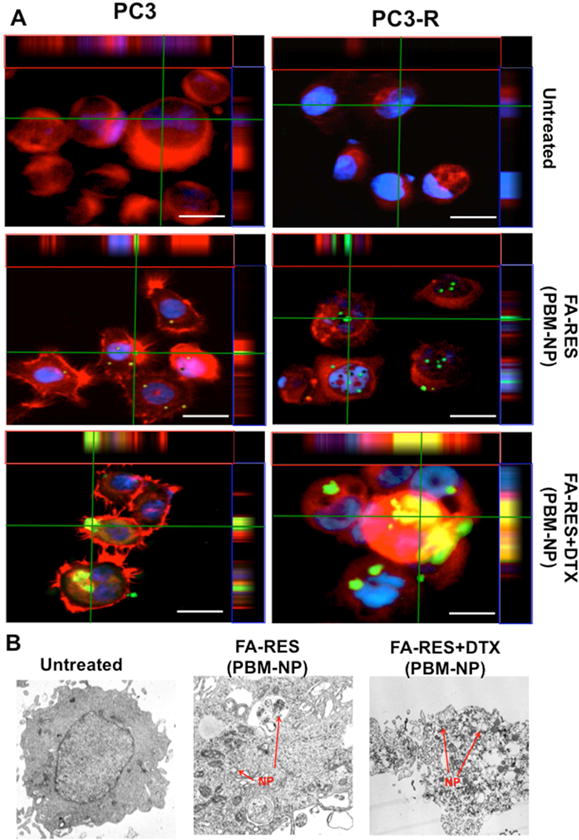
Fig. 4. Z-stack orthogonal projections images to evaluate the targeted nanoparticle in prostate cancer cells
(A) Immunofluorescent staining of PCa cells treated with different dosages of green fluorescein labeled FA-conjugated RES-NP (3μM) and RES+DTX-NP (3μM+0.01μM) (Cells were immunostained with the anti-FRα antibody). Cells treated with NPs were detected by GFP and RFP (FRα), represented as green and red colors respectively. Nuclei were counterstained with DAPI (Blue). The orthogonal projections showed an abundant number of internalized combined nanoparticle (green) through folate receptor in PCa cells. Scale bar, 50 μm. (B) Internalization of PBM nanoparticles in docetaxel-resistant PC3-R cells treated with FA-conjugated RES-NP (3μM) and RES+DTX-NP (3μM+0.01μM), for 48 h and analyzed by TEM. The red arrow heads indicate the PBM nanoparticles within the cells.
Fig. 5
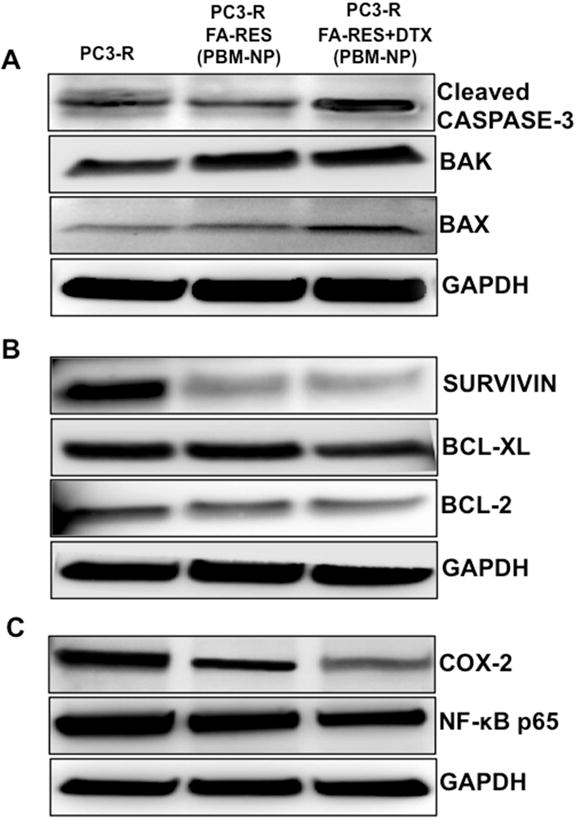
Fig. 5. Immunoblot detection of prostate cancer cells targeted by using PBM nanoparticle and the expression of pro- and anti-apoptotic, pro-survival and proliferation markers
Expression of (A) pro-apoptotic (BAX, BAK) and Cleaved Caspase 3 proteins (B) anti-apoptotic (BCL-2, BCL-XL) and survivin proteins (C) pro-survival and inflammatory markers (NF-kB p65, COX-2) in PC3 and PC3-R cells treated with FA-conjugated (RES or RES+DTX) for 48 h. As an internal standard for equal loading blots was probed with a GAPDH antibody for each sample.
Fig. 6
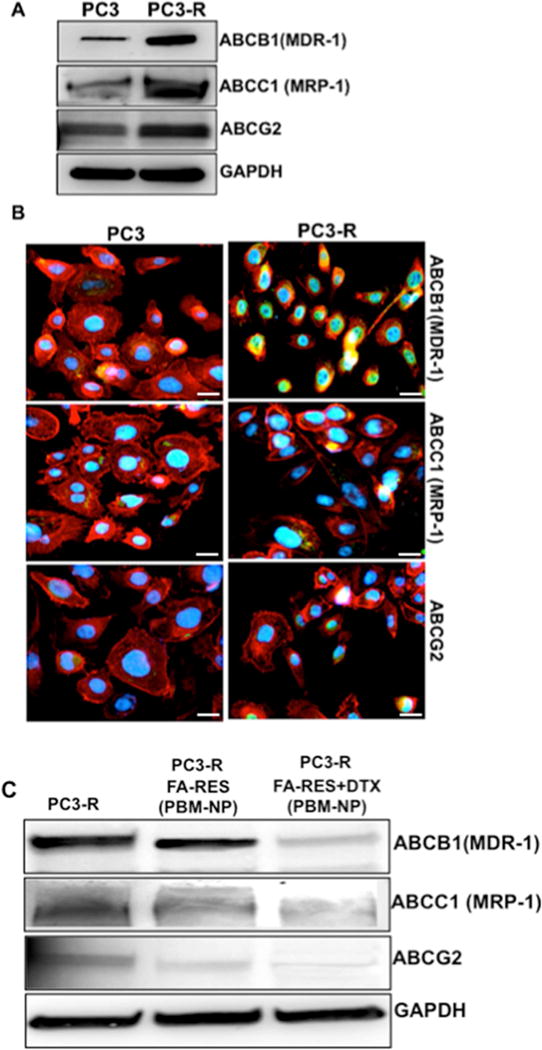
Fig. 6. Down-regulation of ATP-binding transporter reverses docetaxel resistance in PC3-R cells
(A) Immunoblots (B) immunostaining for ABCB1(MDR-1), ABCC1(MRP-1) and ABCG2 expression in PC3 and PC3-R cells. Cells were detected by a microscope using GFP and Texas Red filters, represented as green (ATP-binding transporter) and red (Phalladoin) colors respectively. Nuclei were counterstained with DAPI (Blue), detected by DAPI filter. Scale bar, 50 μm. (C) Expression levels of ABCB1(MDR-1), ABCC1(MRP-1) and ABCG2 protein in PCa cells treated with FA-conjugated RES (3μM) and RES+DTX-NP (3μM+0.01μM) for 48 h. As an internal standard for equal loading blots were probed with a GAPDH antibody for each sample.
Fig. 7
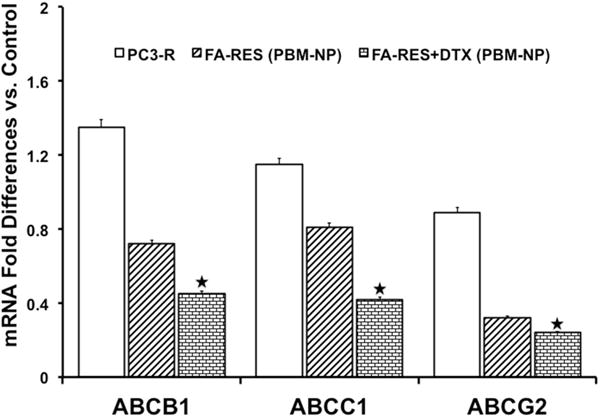
Fig. 7. Validation of ATP-binding transporters on mRNA in prostate cancer cells
mRNA expression levels of the indicated genes in PC3-R cells quantitated by real-time RT-PCR treated with nanoparticles for 48 h. The expression levels of ABC transporter genes are represented by a fold change relative to control cells. Data were normalized to the levels of the housekeeping gene 18S expression, and the experiments were done in triplicates and repeated three times. Data are presented as the Mean±SEM, and asterisks indicate significance determined by student t-test (*P < 0.01).
Fig. 8
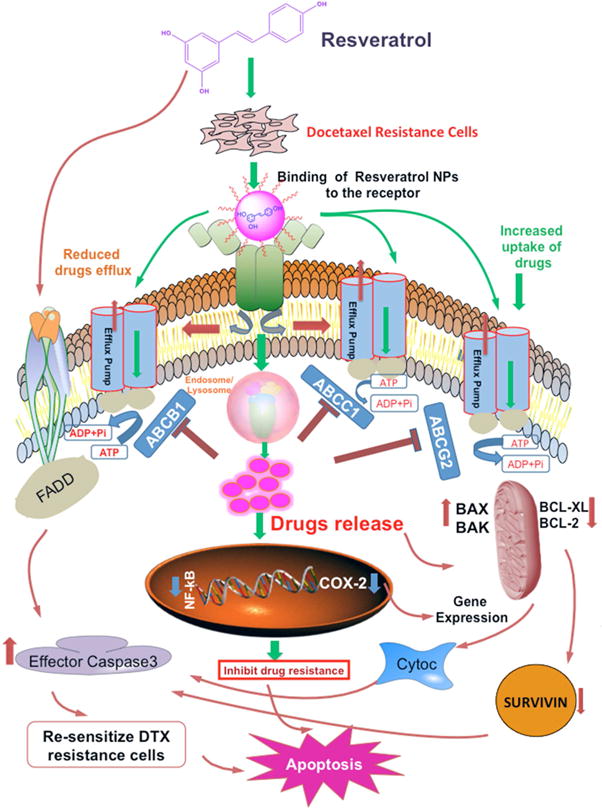
Fig. 8. Drug resistance mechanism through ABC transporters (ATP-binding cassette) induces different signaling molecule in prostate cancer
The active efflux of the chemotherapeutic drugs through ABC transporters plays a major role in cancer cells in resisting chemotherapy. The figure summarizes the mechanism by which ATP-binding cassette transporter genes, ABCB1 (P-gp or MDR1), ABCC1 (MRP1) and ABCG2 were overexpressed in docetaxel (DTX) drug resistance PCa cells. The encapsulation of resveratrol in nanoparticles can accumulate within the cells without being recognized by ABC transporters and release the drugs by lysosomal degradation modulating apoptotic pathway with the up-regulation of pro-(BAX, BAK) and down-regulation of anti-apoptotic (BCL-2, BCL-XL) molecules in the tumor cells. Inhibiting the expression of survivin (an attractive target in cancer therapy) activates effector Caspases (Caspase-3) that results in re-sensitizing the cells to apoptosis. Moreover, the binding of NPs to the transcriptional factor such as NF-kB inhibits the expression of various genes contributing cell survival, progression, and proliferation of the tumor cells. This, in turn, affects the expression of proliferation and inflammatory marker (COX-2) associated with NF-kB pathway and induces apoptosis by inhibiting drug resistance PCa cells.

References

    1. Zhu Y, Liu C, Armstrong C, Lou W, Sandher A, Gao AC. Antiandrogens Inhibit ABCB1 Efflux and ATPase Activity and Reverse Docetaxel Resistance in Advanced Prostate Cancer. Clin Cancer Res. 2015;21:4133–4142. - PMC - PubMed
    1. Armstrong CM, Gao AC. Drug resistance in castration resistant prostate cancer: resistance mechanisms and emerging treatment strategies. Am J Clin Exp Urol. 2015;3:64–76. - PMC - PubMed
    1. Hwang C. Overcoming docetaxel resistance in prostate cancer: a perspective review. Ther Adv Med Oncol. 2012;4:329–340. - PMC - PubMed
    1. Petrylak DP, Tangen CM, Hussain MH, Lara PN, Jr, Jones JA, Taplin ME, Burch PA, Berry D, Moinpour C, Kohli M, Benson MC, Small EJ, Raghavan D, Crawford ED. Docetaxel and estramustine compared with mitoxantrone and prednisone for advanced refractory prostate cancer. N Engl J Med. 2004;351:1513–1520. - PubMed
    1. Demidenko R, Razanauskas D, Daniunaite K, Lazutka JR, Jankevicius F, Jarmalaite S. Frequent down-regulation of ABC transporter genes in prostate cancer. BMC Cancer. 2015;15:683. - PMC - PubMed

Publication types

MeSH terms