


Global burden of mental disorders among children aged 5-14 years
- PMID: 29682005
- PMCID: PMC5896103
- DOI: 10.1186/s13034-018-0225-4
Global burden of mental disorders among children aged 5-14 years
Abstract
Background: The global burden of disease (GBD) study provides information about fatal and non-fatal health outcomes around the world.
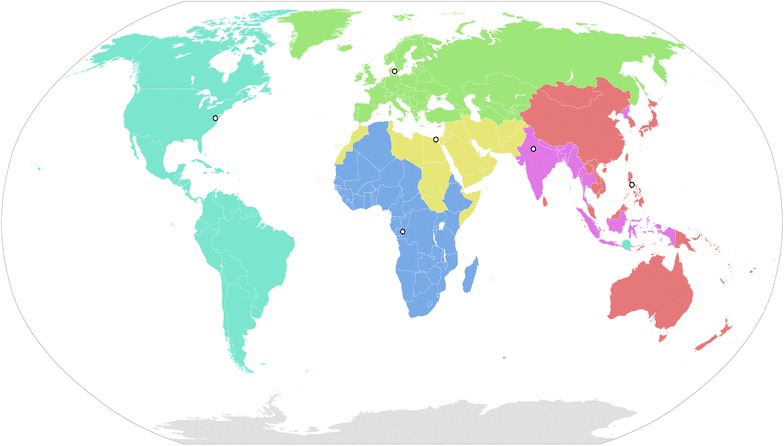
Methods: The objective of this work is to describe the burden of mental disorders among children aged 5-14 years in each of the six regions of the World Health Organisation. Data come from the GBD 2015 study. Outcomes: disability-adjusted life-years (DALYs) are the main indicator of GBD studies and are built from years of life lost (YLLs) and years of life lived with disability (YLDs).
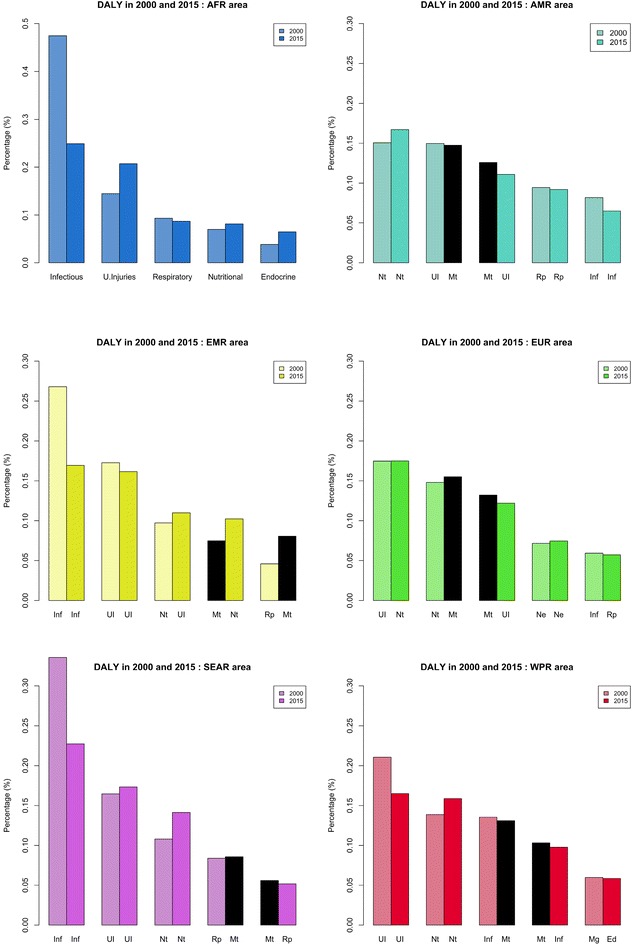
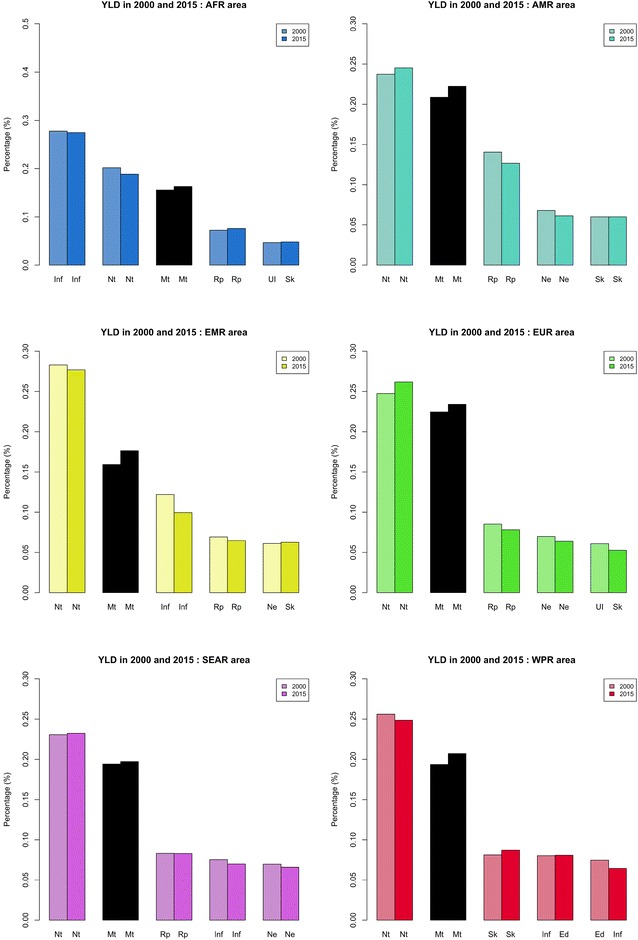
Results: Mental disorders are among the leading causes of YLDs and of DALYs in Europe and the Americas. Because of the importance of infectious diseases, mental disorders appear marginal in Africa for YLLs although they play an important role in YLDs there. Because the epidemiological transition that has taken place in Europe and the Americas (i.e., a switch from acute and infectious conditions to chronic and mental health issues) is likely to happen sooner or later across the entire planet, mental health problems in youth are likely to become one of the main public health challenges of the twenty-first century.
Conclusion: These results should improve health care if policy-makers use them to develop health policies to meet the real needs of populations (especially children) today.
Keywords: Burden of disease; Children; Mental health.
Figures
References
-
- WHO | Global health estimates. WHO. http://www.who.int/healthinfo/global_burden_disease/en/. Accessed 11 Sept 2017.
-
- Global Burden of Disease Pediatrics Collaboration. Kyu HH, Pinho C, Wagner JA, Brown JC, Bertozzi-Villa A, et al. Global and national burden of diseases and injuries among children and adolescents between 1990 and 2013: findings from the global burden of disease 2013 study. JAMA Pediatr. 2016;170(3):267–287. doi: 10.1001/jamapediatrics.2015.4276. - DOI - PMC - PubMed
LinkOut - more resources
Full Text Sources
Other Literature Sources
