


HIV and Viral Hepatitis Among Imprisoned Key Populations
- PMID: 29688317
- PMCID: PMC5982732
- DOI: 10.1093/epirev/mxy003
HIV and Viral Hepatitis Among Imprisoned Key Populations
Abstract
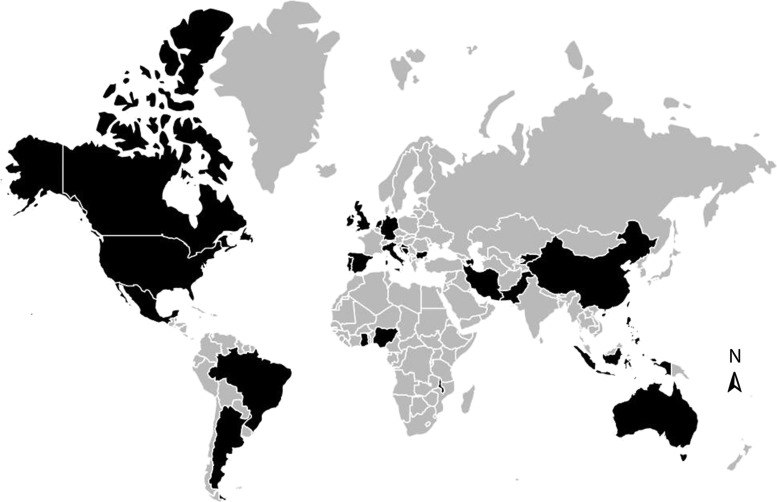
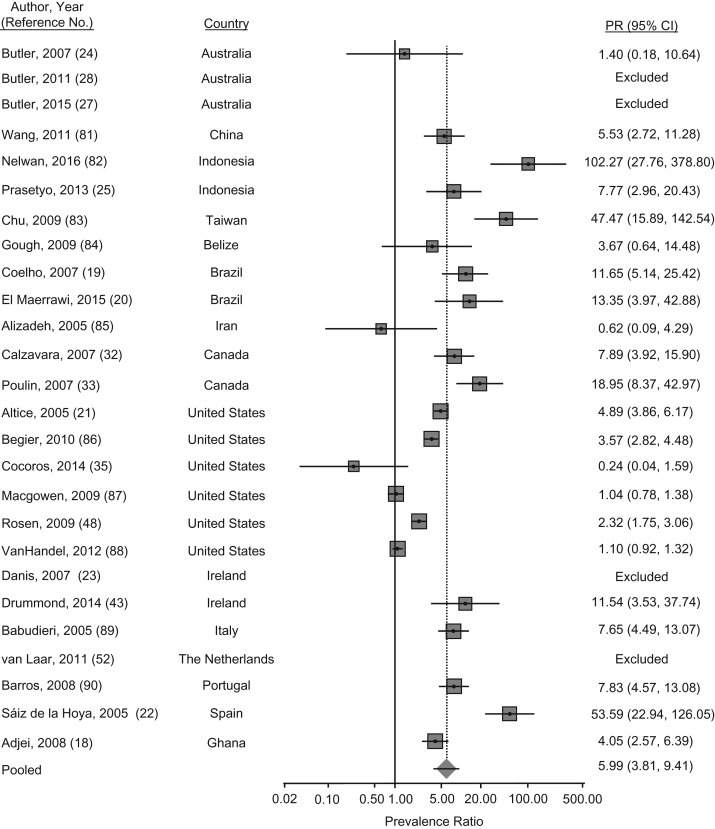
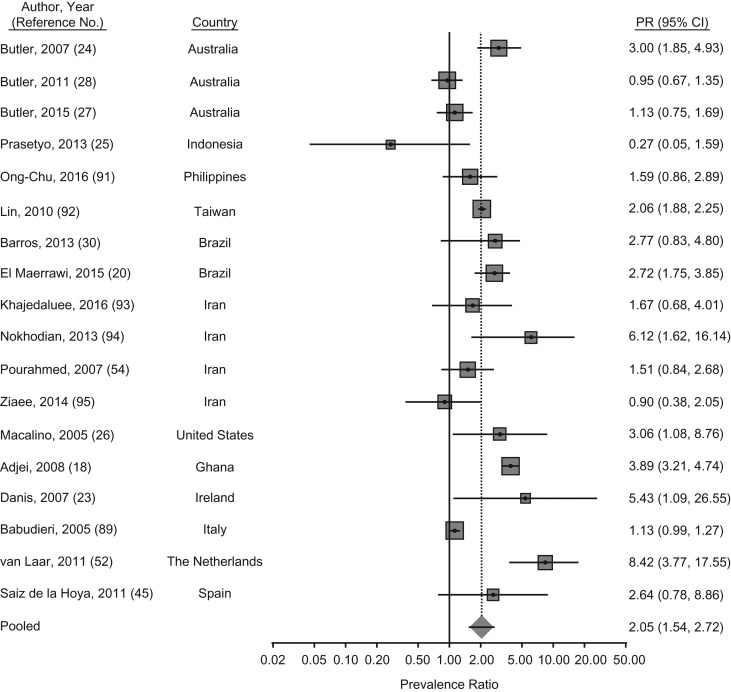
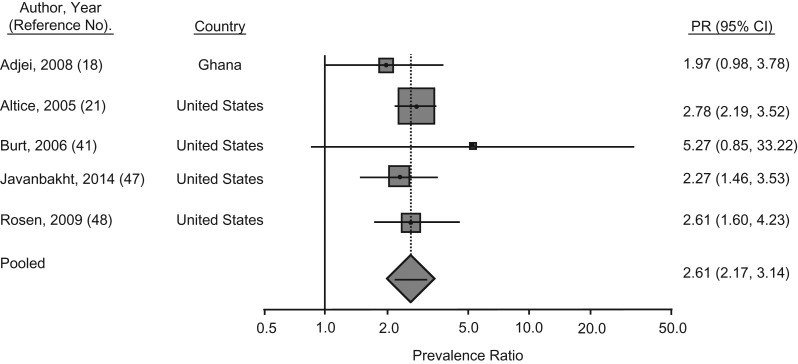
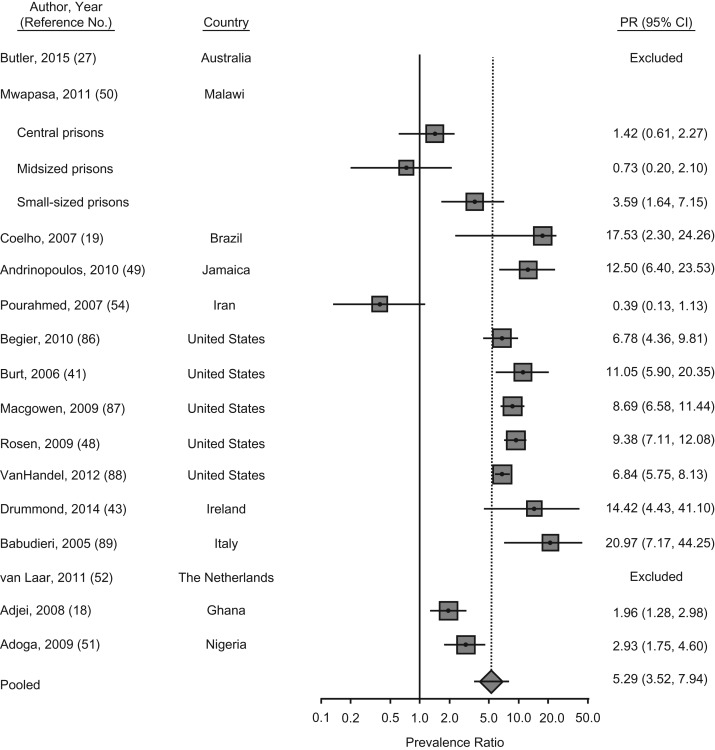
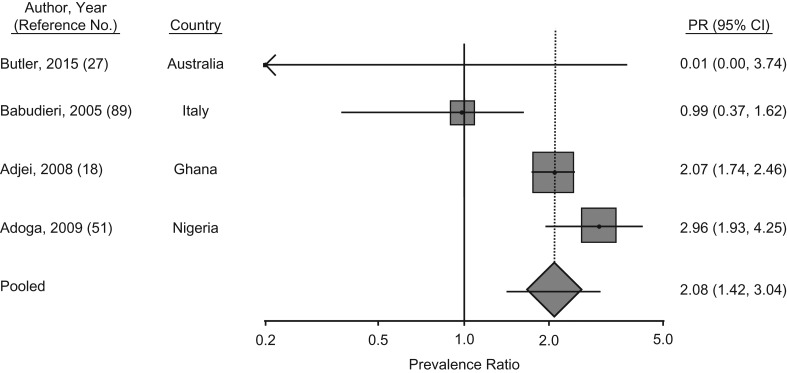
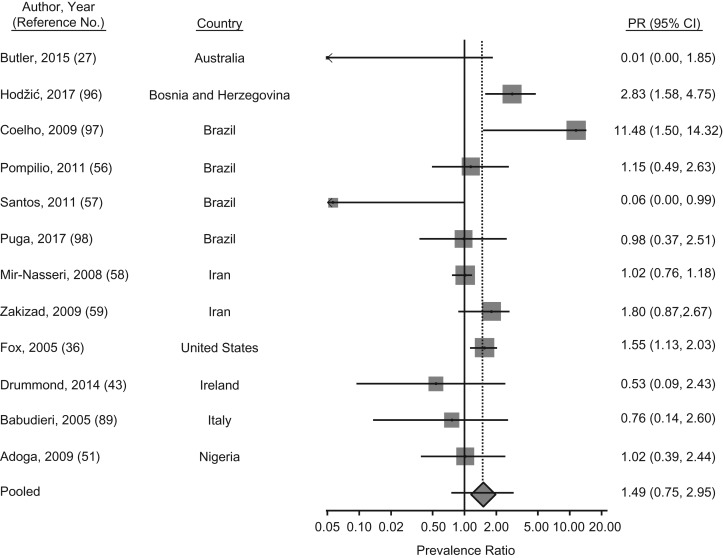
Prisons and other closed facilities create opportunities for transmission of human immunodeficiency virus (HIV) and viral hepatitis during detention and after release. We conducted a systematic review and meta-analysis of peer-reviewed publications (2005-2015) to describe the prevalence of HIV, hepatitis C virus, and hepatitis B virus among key populations in prisons worldwide and to compare estimates of infection with those of other prison populations. Most data were reported for people who inject drugs (PWID; n = 72) and for men who have sex with men (MSM; n = 21); few data were reported on sex workers (SW; n = 6), or transgender women (n = 2). Publications were identified from 29 countries, predominantly middle- and high-income countries. Globally, PWID had 6 times the prevalence of HIV (pooled prevalence ratio (PPR) = 6.0, 95% CI: 3.8, 9.4), 8 times the prevalence of hepatitis C virus (PPR = 8.1, 95% CI: 6.4, 10.4), and 2 times the prevalence of hepatitis B virus (PPR = 2.0, 95% CI: 1.5, 2.7) compared with noninjecting prisoner populations. Among these articles, only those from Iran, Scotland, Spain, and Italy included the availability of methadone therapy; 2 articles included information on access to needle exchange programs by PWID detainees. HIV prevalence was more than 2 times higher among SW (PPR = 2.6, 95% CI: 2.2, 3.1) and 5 times higher among MSM (PPR = 5.3, 95% CI: 3.5, 7.9) compared with other prisoners. None of these articles reported HIV prevention coverage among SW or transgender women; 1 described HIV and sexually transmitted infection screening for MSM in prison. Prevention programs specific to key populations are important, particularly for populations that are criminalized and/or may cycle in and out of prison.
Figures
References
-
- Dolan K, Wirtz AL, Moazen B, et al. Global burden of HIV, viral hepatitis, and tuberculosis in prisoners and detainees. Lancet. 2016;388(10049):1089–1102. - PubMed
-
- Joint United Nations Programme on HIV/AIDS The Gap Report Geneva, Switzerland: Joint United Nations Programme on HIV/AIDS; 2014. http://www.unaids.org/en/resources/campaigns/2014/2014gapreport/gapreport. Accessed November 30, 2017.
-
- United Nations Office on Drugs and Crime, World Health Organization, Joint United Nations Programme on HIV/AIDS HIV and AIDS in Places of Detention: A Toolkit for Policymakers, Programme Managers, Prison Officers and Health Care Providers in Prison Settings New York, NY: United Nations Office on Drugs and Crime; 2008. http://www.who.int/hiv/pub/prisons/detention_toolkit/en/. Accessed November 30, 2017.
-
- Kutateladze BL, Andiloro NR, Johnson BD, et al. Cumulative disadvantage: examining racial and ethnic disparity in prosecution and sentencing. Criminology. 2014;52(3):514–551.
Publication types
MeSH terms
Grants and funding
LinkOut - more resources
Full Text Sources
Other Literature Sources
Medical
