. 2018 Apr 24;13(4):e0193467.
doi: 10.1371/journal.pone.0193467. eCollection 2018.

Improving temporal accuracy of human metabolic chambers for dynamic metabolic studies

Affiliations

Improving temporal accuracy of human metabolic chambers for dynamic metabolic studies

Shanshan Chen et al. PLoS One. .

Abstract

Metabolic chambers are powerful tools for assessing human energy expenditure, providing flexibility and comfort for the subjects in a near free-living environment. However, the flexibility offered by the large living room size creates challenges in the assessment of dynamic human metabolic signals-such as those generated during high-intensity interval training and short-term involuntary physical activities-with sufficient temporal accuracy. Therefore, this paper presents methods to improve the temporal accuracy of metabolic chambers. The proposed methods include 1) adopting a shortest possible step size, here one minute, to compute the finite derivative terms for the metabolic rate calculation, and 2) applying a robust noise reduction method-total variation denoising-to minimize the large noise generated by the short derivative term whilst preserving the transient edges of the dynamic metabolic signals. Validated against 24-hour gas infusion tests, the proposed method reconstructs dynamic metabolic signals with the best temporal accuracy among state-of-the-art approaches, achieving a root mean square error of 0.27 kcal/min (18.8 J/s), while maintaining a low cumulative error in 24-hour total energy expenditure of less than 45 kcal/day (188280 J/day). When applied to a human exercise session, the proposed methods also show the best performance in terms of recovering the dynamics of exercise energy expenditure. Overall, the proposed methods improve the temporal resolution of the chamber system, enabling metabolic studies involving dynamic signals such as short interval exercises to carry out the metabolic chambers.


Conflict of interest statement

Competing Interests: The authors have read the journal’s policy and have the following conflict: MEI Research Ltd is the employer of EW, ER, and JM. The co-authors’ affiliation with MEI Research Ltd does not alter our adherence to all PLOS ONE policies on sharing data and materials. There are no patents, products in development, or marketed projects to declare.

Figures

Fig 1
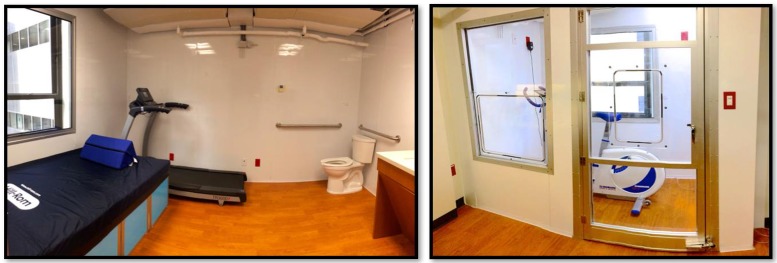
Fig 1. VCU metabolic chambers.
Left: big chamber as a living room; right: small chamber (flex room) for single activities. Boxes can be added to the small chamber for resting energy expenditure studies.
Fig 2
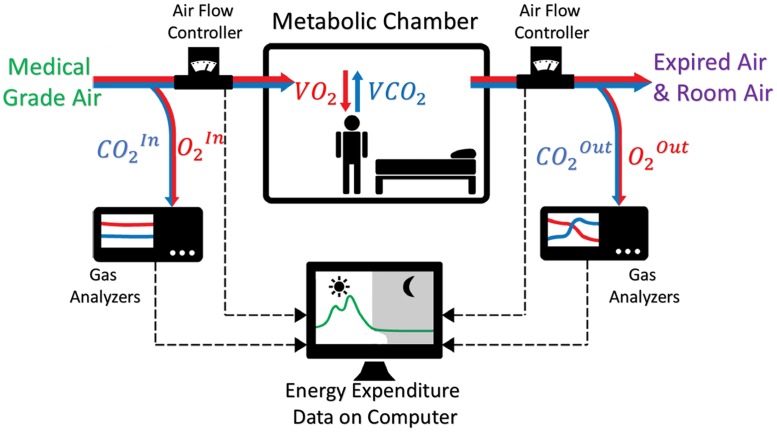
Fig 2. Concept diagram of the metabolic chamber.
The chamber is configured as a push type of calorimeter with absolute gas analyzers measuring O2 and CO2 concentrations of both inflow air (medical grade air) and outflow air (expired air from human breath mixed with room air).
Fig 3
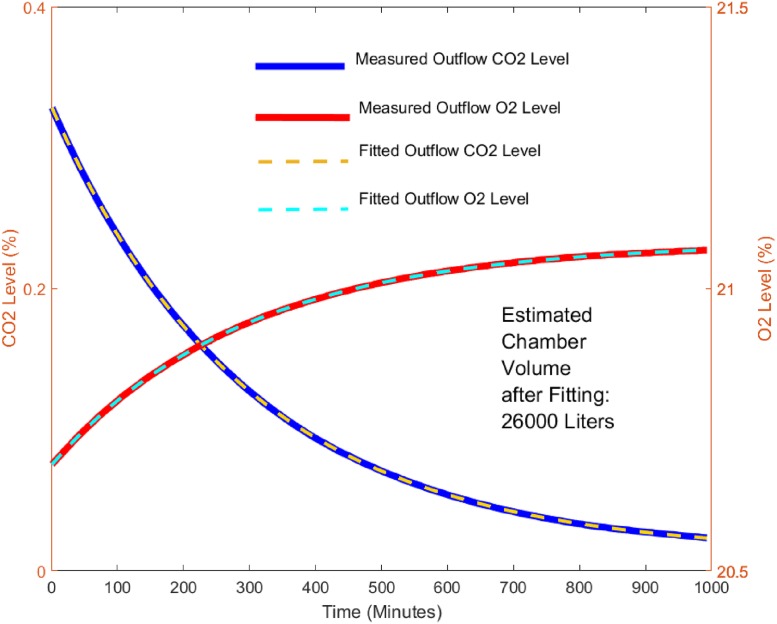
Fig 3. Exponential curve fitting for chamber volume estimation.
Exponential curves were fitted into measured O2 and CO2 gas concentrations from a washout test. CO2 and O2 estimated volumes should be similar in a properly functioning and calibrated system.
Fig 4
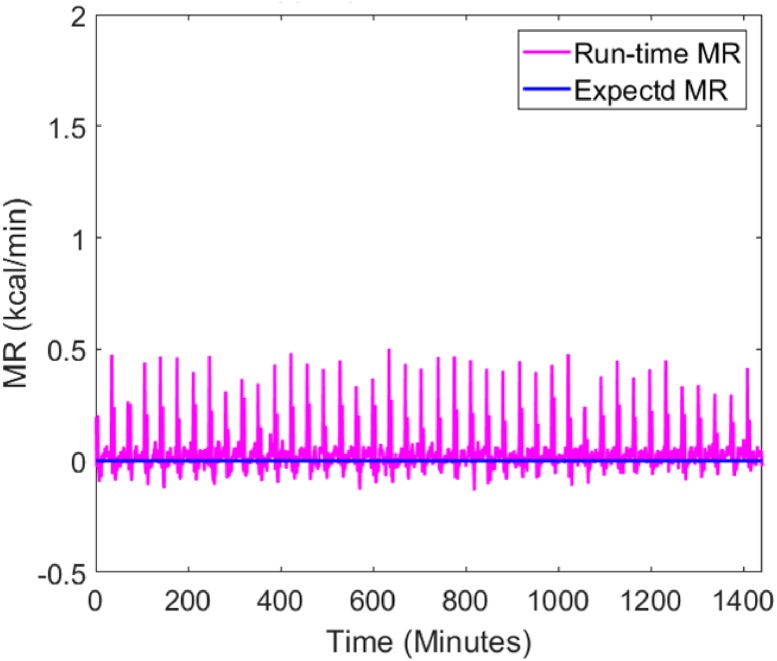
Fig 4. Baseline MR (kcal/min) measured in an empty chamber.
The expected MR (solid blue) signal for an empty chamber is constant zero, and the run-time MR (solid magenta) shows there is spiky noise in the measured MR.
Fig 5
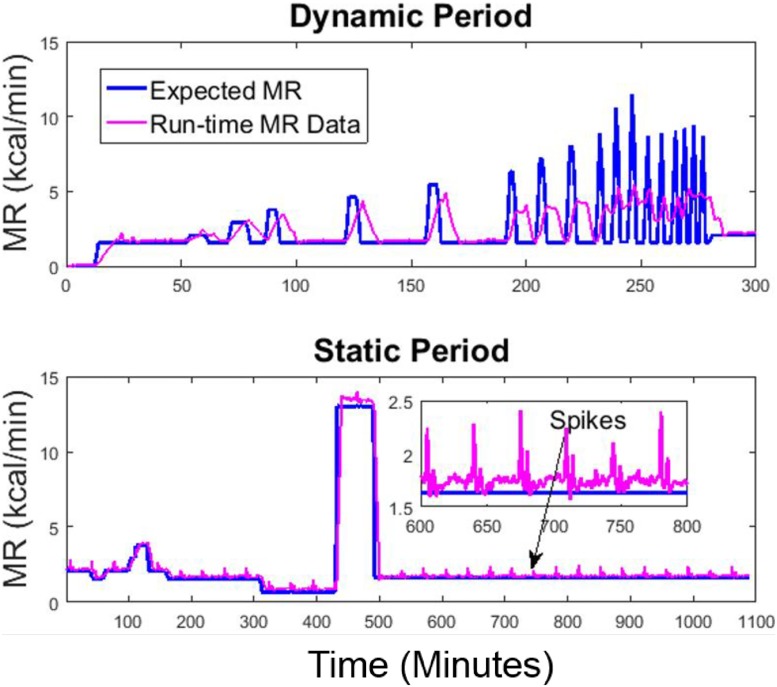
Fig 5. MR measured during a gas infusion test session in the big chamber.
The run-time MR signal is compared to the expected MR signal for a dynamic period (top) simulating MR during physical activities and a static period (bottom) simulating MR during sedentary periods and sleep.
Fig 6
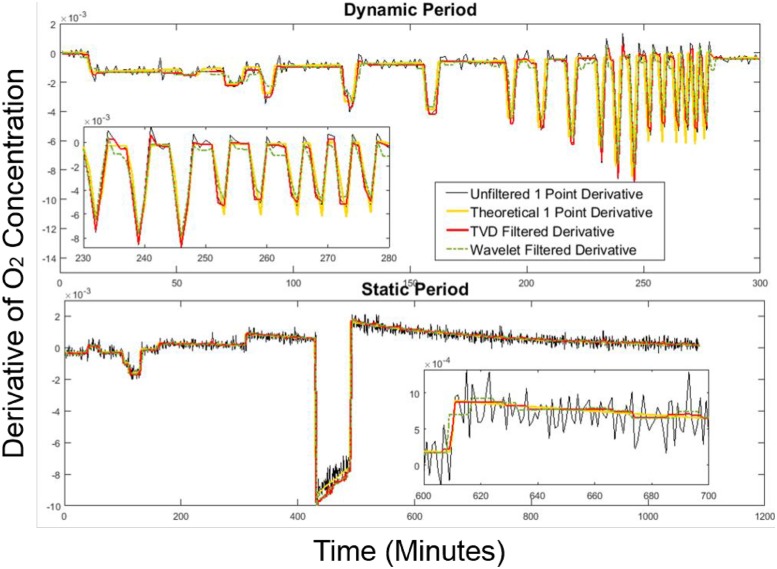
Fig 6. 1-minute backward derivative signals filtered by TVD and Wavelet.
Both methods were compared against the theoretical derivative data in a 24-hour infusion session.
Fig 7
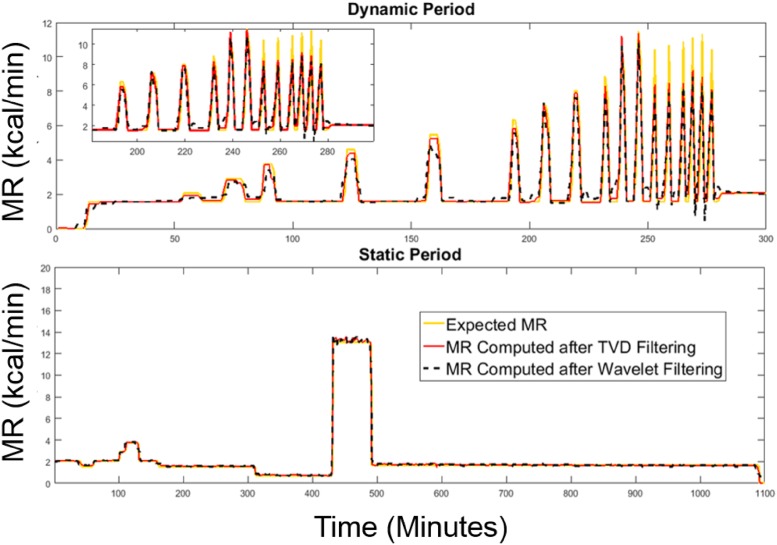
Fig 7. MR signals recovered by TVD and Wavelet.
Both methods were compared against expected MR for the dynamic period (top) and the static period (bottom) in a 24-hour infusion session.
Fig 8
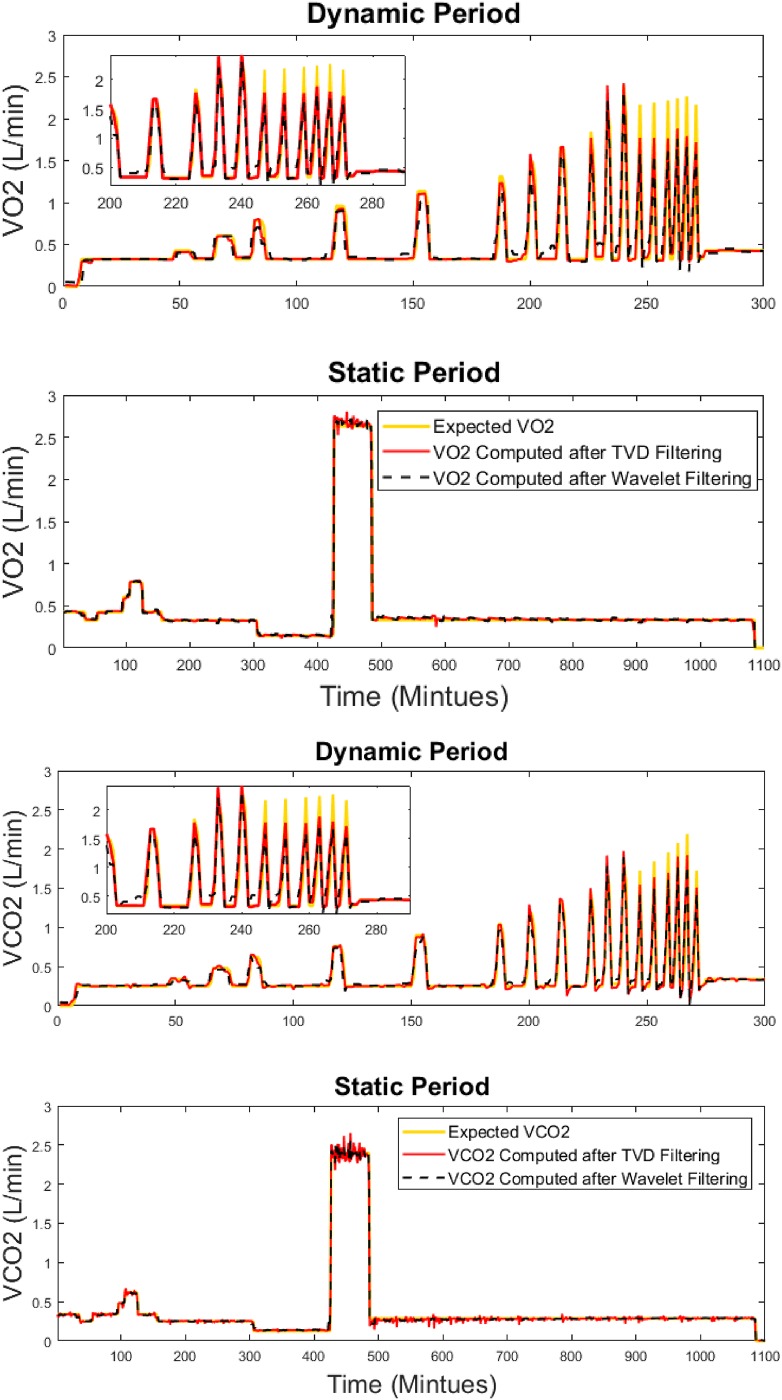
Fig 8. Gas exchange signals (VO2 and VCO2) recovered by TVD and Wavelet.
Both methods were compared against expected levels for the dynamic period (top) and the static period (bottom) in a 24-hour infusion session.
Fig 9
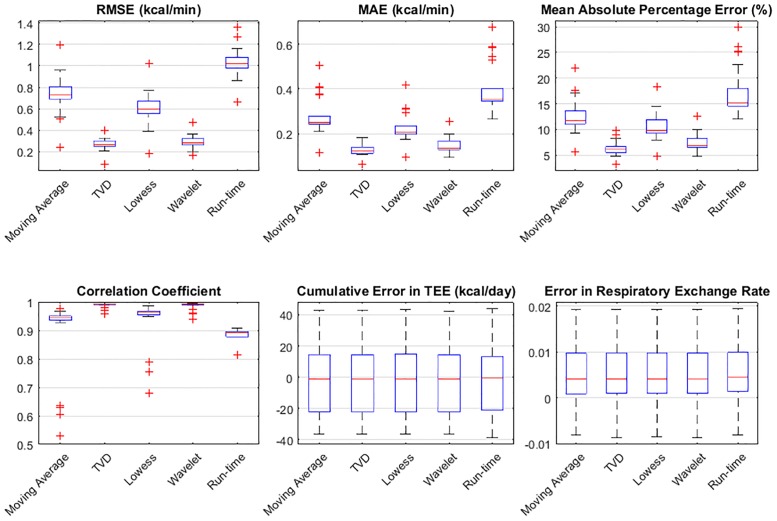
Fig 9. Error metrics used to evaluate the performance of the filter methods.
Error metrics include RMSE, MAE, MAPE, correlation coefficient, cumulative error in TEE per day, and absolute error in respiratory exchange ratio per day. Measured MR is compared to the expected MR obtained during infusion validation.
Fig 10
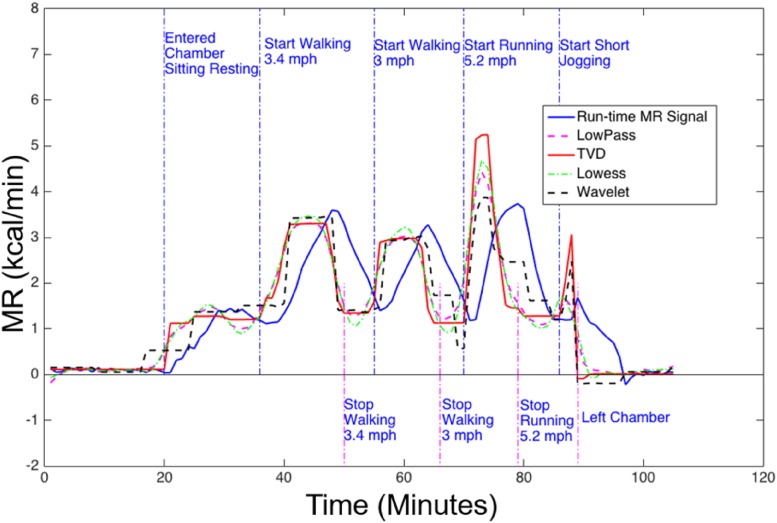
Fig 10. MR signals of a human subject exercising on a treadmill.
MR signals were generated during run-time using the 8-minute backward derivative term (solid blue), or computed with the 1-minute backward derivative and then filtered by low-pass (dashed magenta), TVD (solid red), Lowess(dashed green), and Wavelet (dashed black) filters. Adopting the 1-minute derivative term and applying the TVD filtering produced the least delay (best temporal resolution) between the transition edge and the annotated timestamps.

References

    1. Lighton JR. Measuring metabolic rates: a manual for scientists. Oxford University Press; 2008.
    1. Westerterp KR. Diet induced thermogenesis. Nutrition & Metabolism. 2004;1(1):1. - PMC - PubMed
    1. Chen KY, Brychta RJ, Linderman JD, Smith S, Courville A, Dieckmann W, et al. Brown fat activation mediates cold-induced thermogenesis in adult humans in response to a mild decrease in ambient temperature. The Journal of Clinical Endocrinology & Metabolism. 2013;98(7):E1218–E1223. doi: 10.1210/jc.2012-4213 - DOI - PMC - PubMed
    1. Weir JdV. New methods for calculating metabolic rate with special reference to protein metabolism. The Journal of Physiology. 1949;109(1–2):1 doi: 10.1113/jphysiol.1949.sp004363 - DOI - PMC - PubMed
    1. Tarantola A. Inverse problem theory and methods for model parameter estimation. 1st ed SIAM: Society for Industrial and Applied Mathematics; 2005.

Publication types

MeSH terms