


Brain-derived erythropoietin protects from intermittent hypoxia-induced cardiorespiratory dysfunction and oxidative stress in mice
- PMID: 29697839
- PMCID: PMC6047438
- DOI: 10.1093/sleep/zsy072
Brain-derived erythropoietin protects from intermittent hypoxia-induced cardiorespiratory dysfunction and oxidative stress in mice
Abstract
Study objectives: Based on the fact that erythropoietin (Epo) administration in rodents protects against spatial learning and cognitive deficits induced by chronic intermittent hypoxia (CIH)-mediated oxidative damage, here we tested the hypothesis that Epo in the brain protects against cardiorespiratory disorders and oxidative stress induced by CIH in adult mice.
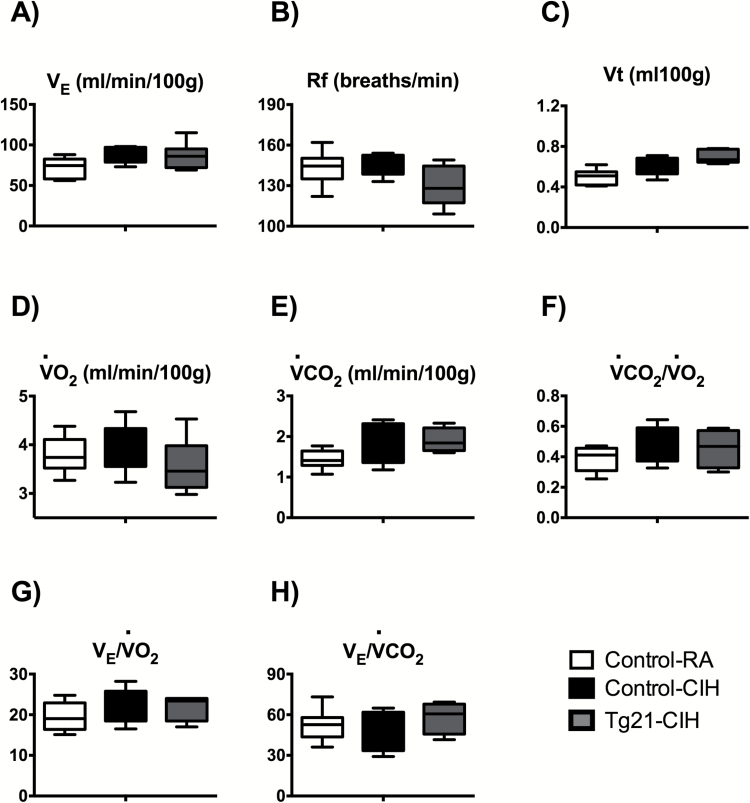
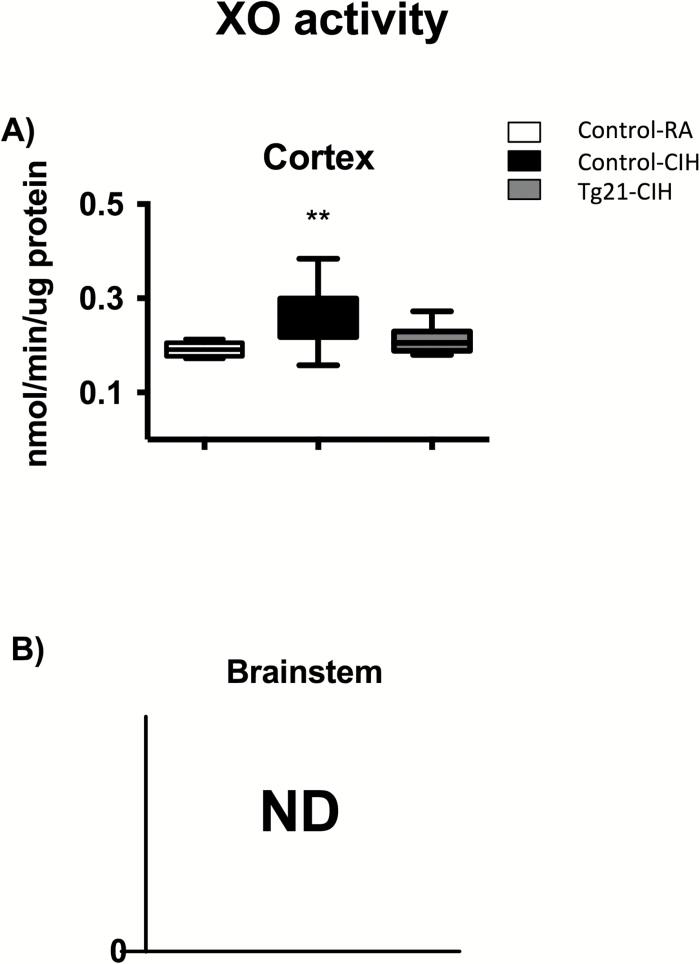
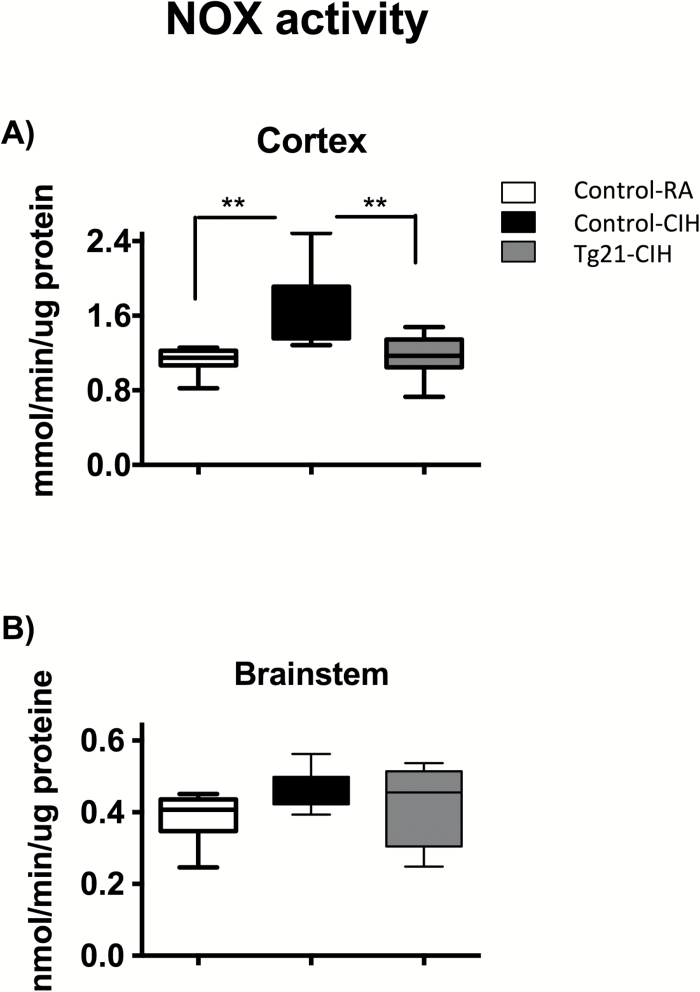
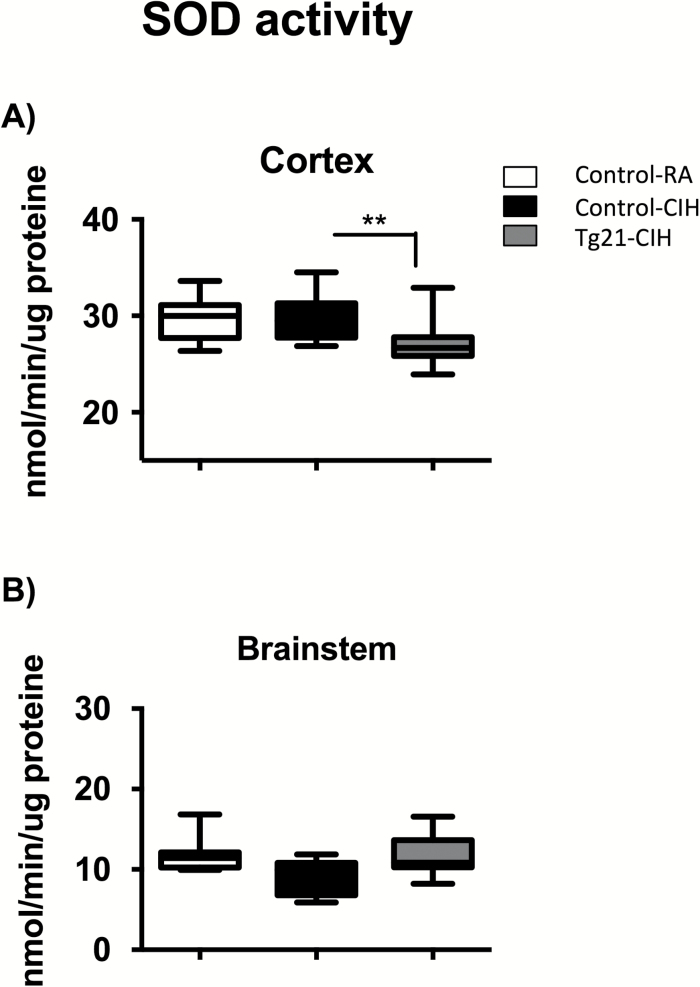
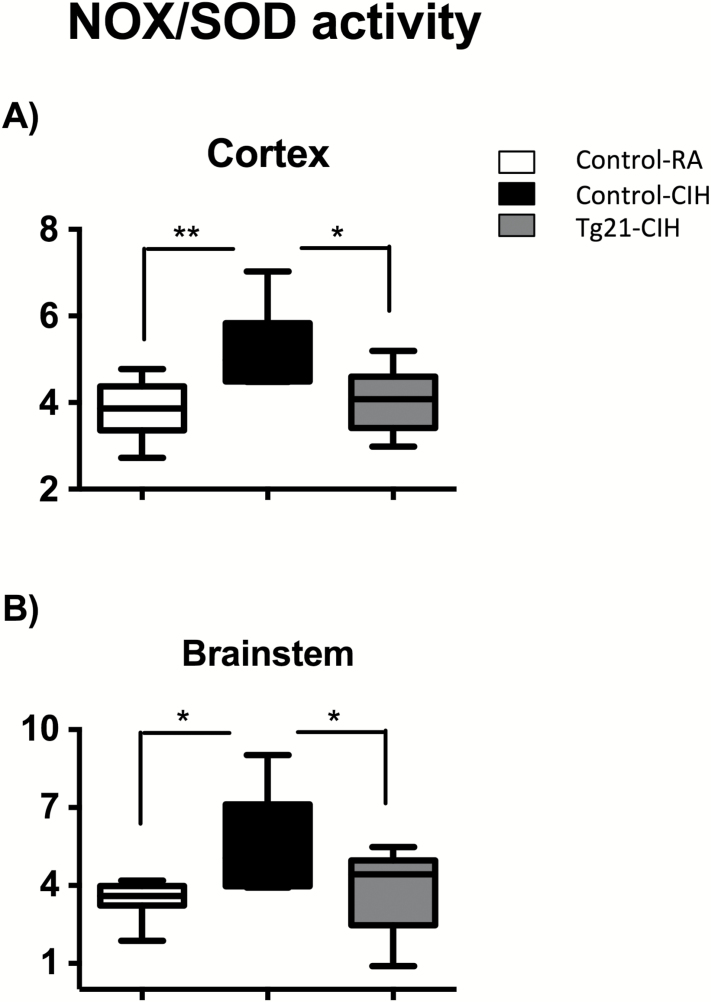
Methods: Adult control and transgenic mice overexpressing Epo in the brain only (Tg21) were exposed to CIH (21%-10% O2-10 cycles/hour-8 hours/day-7 days) or room air. After CIH exposure, we used the tail cuff method to measure arterial pressure, and whole-body plethysmography to assess the frequency of apneic episodes at rest, minute ventilation, and ventilatory responses to hypoxia and hypercapnia. Finally, the activity of pro-oxidant (XO-xanthine oxidase, and NADPH) and antioxidant (super oxide dismutase) enzymes was evaluated in the cerebral cortex and brainstem.
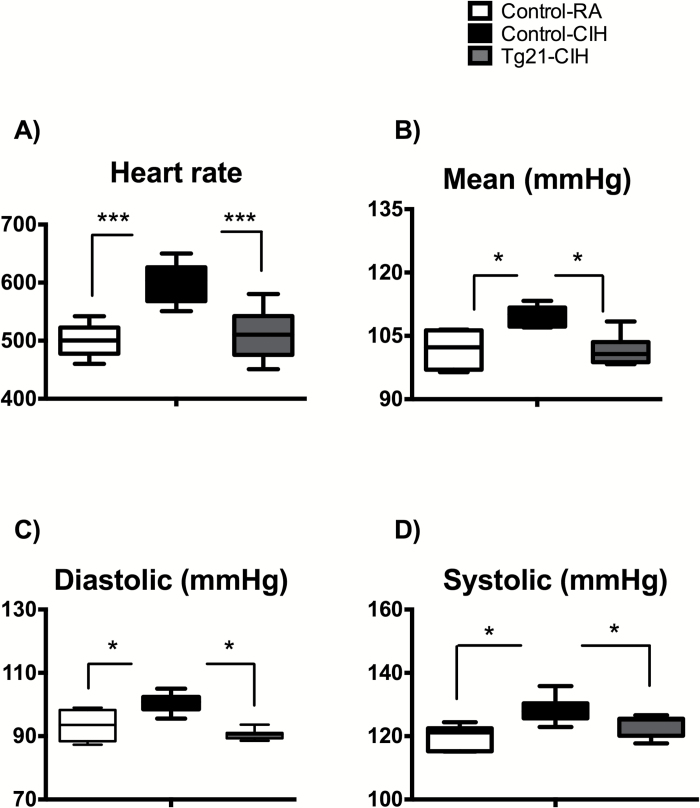
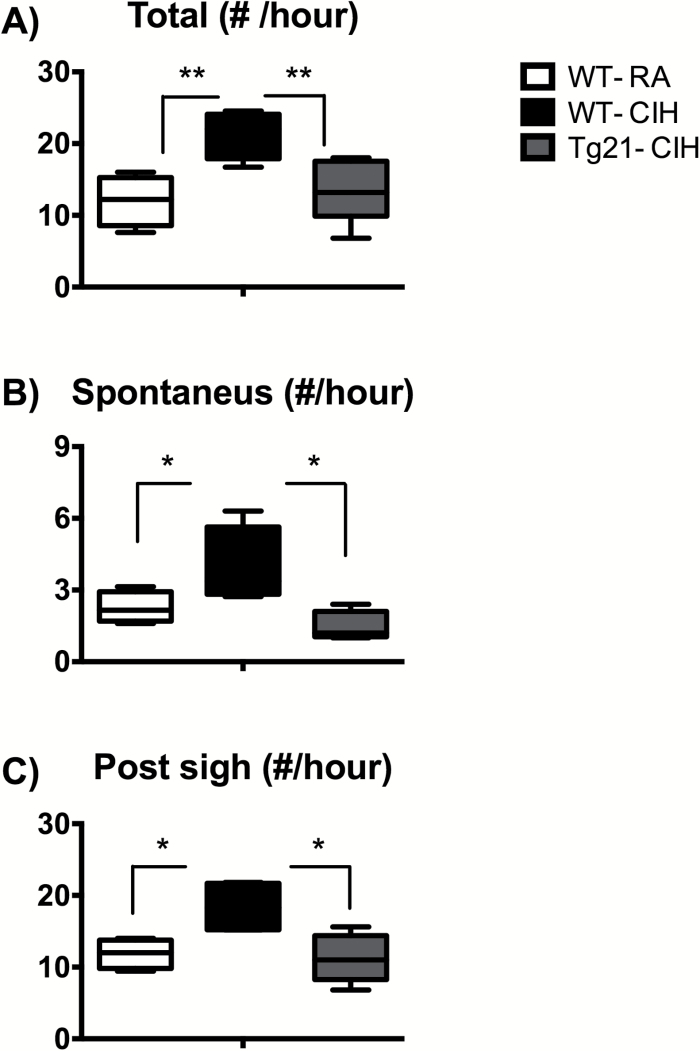
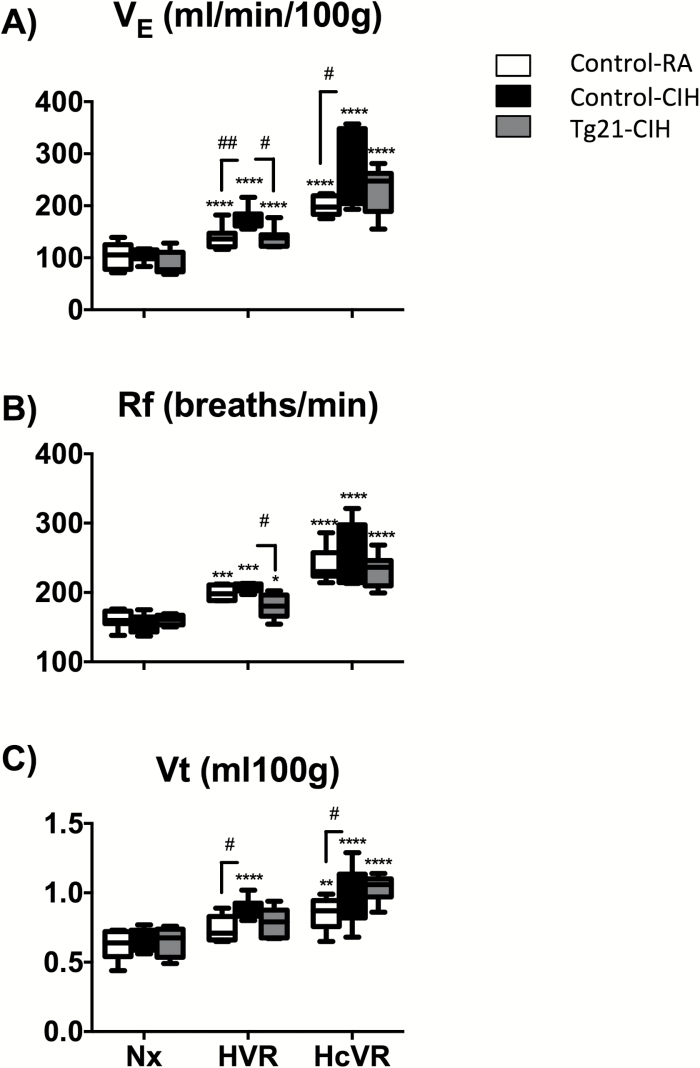
Results: Exposure of control mice to CIH significantly increased the heart rate and arterial pressure, the number of apneic events, and the ventilatory response to hypoxia and hypercapnia. Furthermore, CIH increased the ratio of pro-oxidant to antioxidant enzymes in cortex and brainstem tissues. Both physiological and molecular changes induced by CIH were prevented in transgenic Tg21 mice.
Conclusions: We conclude that the neuroprotective effect of Epo prevents oxidative damage in the brain and cardiorespiratory disorders induced by CIH. Considering that Epo is used in clinics to treat chronic kidney disease and stroke, our data show convincing evidence suggesting that Epo may be a promising alternative drug to treat sleep-disorder breathing.
Figures
References
-
- Young T, et al. Epidemiology of obstructive sleep apnea: a population health perspective. Am J Respir Crit Care Med. 2002;165(9):1217–1239. - PubMed
-
- Gileles-Hillel A, et al. Biological plausibility linking sleep apnoea and metabolic dysfunction. Nat Rev Endocrinol. 2016;12(5):290–298. - PubMed
-
- Laouafa S, et al. Estradiol protects against cardiorespiratory dysfunctions and oxidative stress in intermittent hypoxia. Sleep. 2017;40(8). doi:10.1093/sleep/zsx104. - PubMed
Publication types
MeSH terms
Substances
LinkOut - more resources
Full Text Sources
Other Literature Sources
Research Materials
