Review
. 2018 Apr 27;122(9):1302-1315.
doi: 10.1161/CIRCRESAHA.117.310782.

Emerging Role of Precision Medicine in Cardiovascular Disease

Affiliations
Review

Emerging Role of Precision Medicine in Cardiovascular Disease

Jane A Leopold et al. Circ Res. .

Abstract

Precision medicine is an integrative approach to cardiovascular disease prevention and treatment that considers an individual's genetics, lifestyle, and exposures as determinants of their cardiovascular health and disease phenotypes. This focus overcomes the limitations of reductionism in medicine, which presumes that all patients with the same signs of disease share a common pathophenotype and, therefore, should be treated similarly. Precision medicine incorporates standard clinical and health record data with advanced panomics (ie, transcriptomics, epigenomics, proteomics, metabolomics, and microbiomics) for deep phenotyping. These phenotypic data can then be analyzed within the framework of molecular interaction (interactome) networks to uncover previously unrecognized disease phenotypes and relationships between diseases, and to select pharmacotherapeutics or identify potential protein-drug or drug-drug interactions. In this review, we discuss the current spectrum of cardiovascular health and disease, population averages and the response of extreme phenotypes to interventions, and population-based versus high-risk treatment strategies as a pretext to understanding a precision medicine approach to cardiovascular disease prevention and therapeutic interventions. We also consider the search for resilience and Mendelian disease genes and argue against the theory of a single causal gene/gene product as a mediator of the cardiovascular disease phenotype, as well as an Erlichian magic bullet to solve cardiovascular disease. Finally, we detail the importance of deep phenotyping and interactome networks and the use of this information for rational polypharmacy. These topics highlight the urgent need for precise phenotyping to advance precision medicine as a strategy to improve cardiovascular health and prevent disease.

Keywords: genomics; polypharmacy; precision medicine; proteomics; systems biology.


Figures

Figure 1
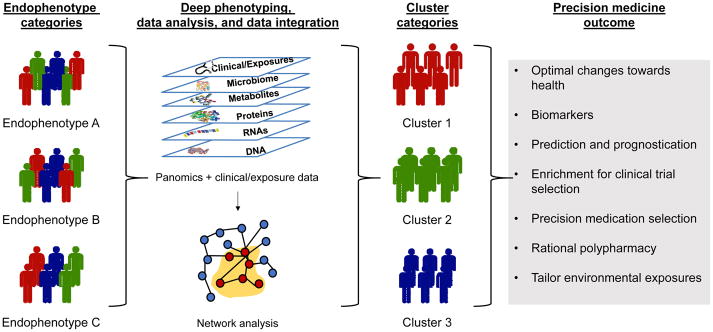
Figure 1. A precision medicine approach to phenotyping
Individuals may have a similar endophenotype but be biologically distinct and have different disease profiles. Using a precision medicine approach, individuals undergo deep phenotyping with data analysis performed using network analysis. This analytical strategy clusters individuals into groups that are different from those based on endophenotype alone. This methodology can be used to optimize medication and behavioral changes to improve health, predict and prognosticate disease, identify biomarkers for disease, enrich clinical trial enrollment, and optimally tailor exposures.
Figure 2
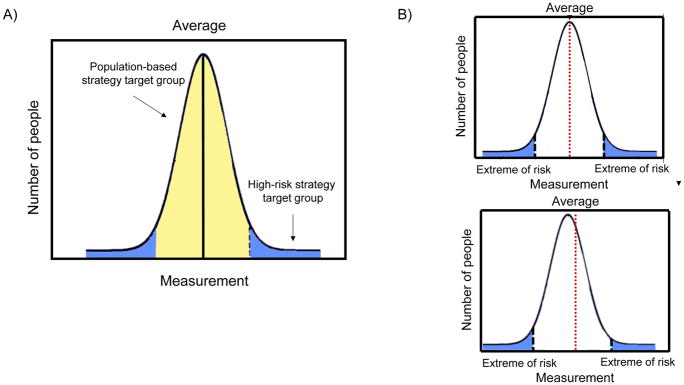
Figure 2. Population distribution and effect of changing the population mean
A) Within a population, the majority of persons express a phenotype that centers around a mean with a minority of individuals who exhibit an extreme or “high-risk” phenotype. B) A change in the population average affects the number of individuals who are considered to be at the extremes. This may also influence the number of individuals who reach a pre-defined threshold for initiating treatment.
Figure 3
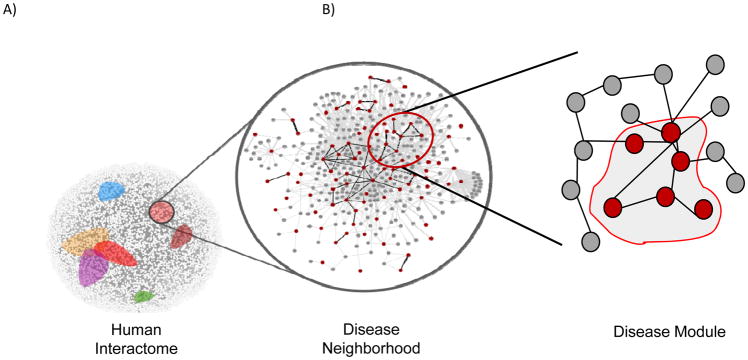
Figure 3. Molecular interaction networks (“interactome”)
The protein-protein interactome describes interactions between proteins in a scale-free (i.e., interactions are not random but clustered) manner. Within the interactome, groups of proteins reside in disease neighborhoods (colored areas) that may overlap indicating common mediators (left, center). Within the neighborhood, there are a number of disease modules, or groups of protein interactions that are related. Analysis of the interactome may uncover new or previously unrecognized relationships. Gray circles, nodes (i.e., proteins in a protein-protein interaction network); black lines, edges (i.e., interactions).
Figure 4
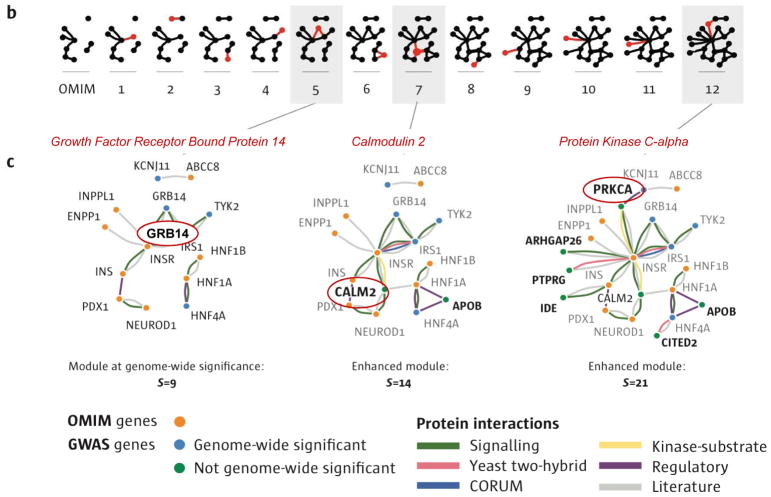
Figure 4. Identifying GWAS genes that have biological relevance
Analysis of GWAS data reveals that there are a large number of genes that, while having genome-wide significance have very modest effect sizes. A) Using data from patients with type 2 diabetes mellitus as an example and starting with a module that includes six genes of greatest statistical significance, GWAS genes are added to the module in decreasing order of their p-value (top). The statistical significance of the growing network as compared to a random network is shown (middle) as well as the size of the resulting module (bottom). B,C) Of 77 significant GWAS genes, only 5 connect to the interactome cluster initially; however, the addition of the interactor genes (product), CALM2, joins disconnected parts of the network and increases both its size and significance. Another disconnected cluster is then joined to the module through consideration of 200 GWAS genes, including the KCNJ11 (GWAS significant gene) and ABCC8. Reproduced with permission from .
Figure 4
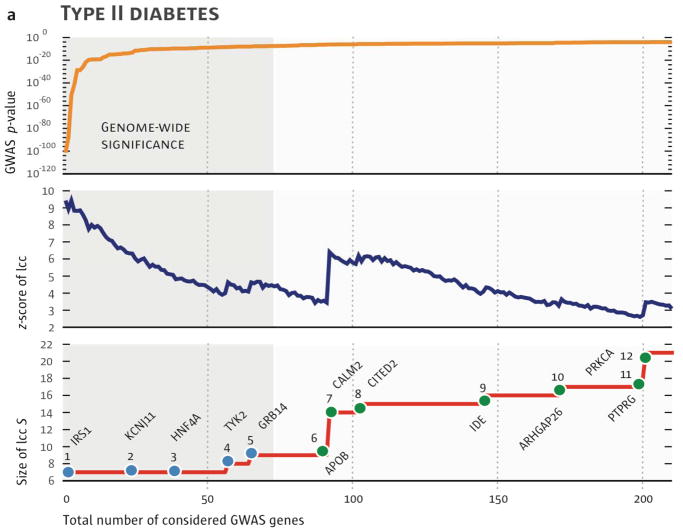
Figure 4. Identifying GWAS genes that have biological relevance
Analysis of GWAS data reveals that there are a large number of genes that, while having genome-wide significance have very modest effect sizes. A) Using data from patients with type 2 diabetes mellitus as an example and starting with a module that includes six genes of greatest statistical significance, GWAS genes are added to the module in decreasing order of their p-value (top). The statistical significance of the growing network as compared to a random network is shown (middle) as well as the size of the resulting module (bottom). B,C) Of 77 significant GWAS genes, only 5 connect to the interactome cluster initially; however, the addition of the interactor genes (product), CALM2, joins disconnected parts of the network and increases both its size and significance. Another disconnected cluster is then joined to the module through consideration of 200 GWAS genes, including the KCNJ11 (GWAS significant gene) and ABCC8. Reproduced with permission from .
Figure 5
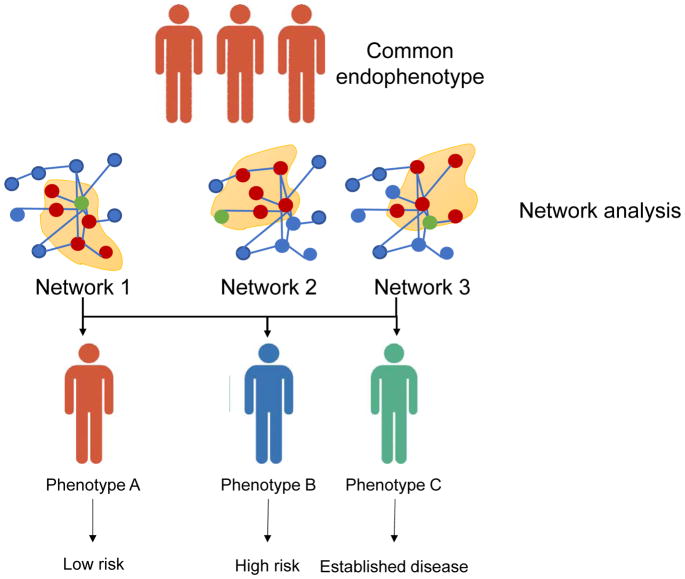
Figure 5. The importance of phenotype and its molecular network underpinning
Individuals who share a common endophenotype, such as hypertension or hypercholesterolemia, may have a very different phenotype when examined at a molecular level. Using molecular phenotyping, such as genome sequencing, and network analysis, individuals may cluster into distinct phenotypes. These phenotypes have important implications for disease risk, prognosis, or response to medication. These important differences are not discoverable when relying on endophenotype alone. (Blue nodes, normal or major alleles; red nodes, variant or minor alleles in protein-protein interaction network).
Figure 6
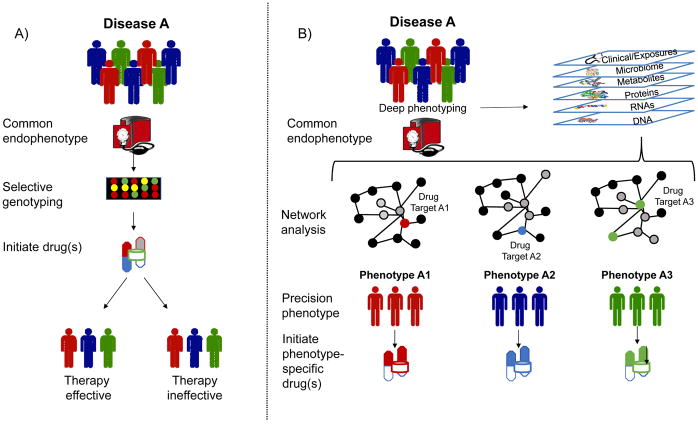
Figure 6. Precision medicine approach to rational polypharmacy
A) The current approach to selecting pharmacologic therapy involves identifying a group with a common endophenotype, using genomic profiling in select cases to identify potential drug (non)responders, and then testing a medication based on results from clinical trials. B) Using a precision medicine approach, individuals with a common endophenotype undergo deep phenotyping, including panomics, exposures, and clinical assessments, and the data are analyzed using network analysis to identify more precise phenotypes and their molecular determinants in the interactome. (Gray nodes, disease-determining module on network; red blue, and green nodes, drug targets by phenotype). This information is then used to select agents that target key pathways or proteins.
Figure 7
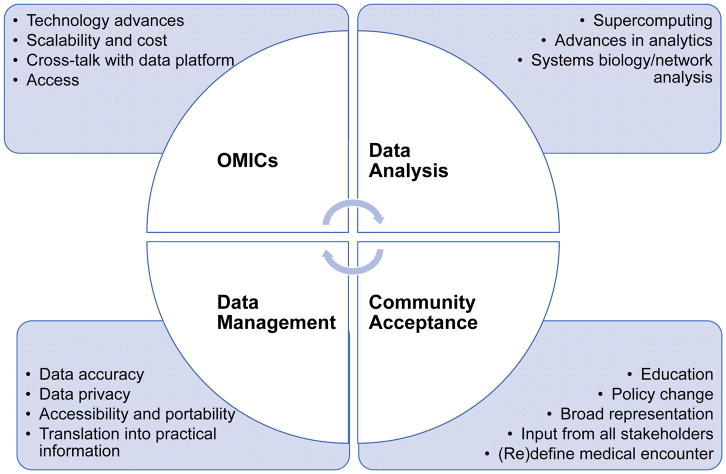
Figure 7. Challenges in precision medicine
Precision medicine relies on integration and dynamic adaptability of panomic analysis, overall data analysis and data management; and acceptance by the public, medical, research, big pharma, and policy-maker stakeholders.

References

    1. de Kruif P. Microbe hunters. New York, NY: Houghton Mifflin Harcourt; 1954.
    1. Heidenreich PA, Trogdon JG, Khavjou OA, et al. Forecasting the future of cardiovascular disease in the united states: A policy statement from the american heart association. Circulation. 2011;123:933–944. - PubMed
    1. Roth GA, Forouzanfar MH, Moran AE, Barber R, Nguyen G, Feigin VL, Naghavi M, Mensah GA, Murray CJ. Demographic and epidemiologic drivers of global cardiovascular mortality. N Engl J Med. 2015;372:1333–1341. - PMC - PubMed
    1. Benjamin EJ, Blaha MJ, Chiuve SE, et al. American Heart Association Statistics C, Stroke Statistics S. Heart disease and stroke statistics-2017 update: A report from the american heart association. Circulation. 2017;135:e146–e603. - PMC - PubMed
    1. Fang N, Jiang M, Fan Y. Ideal cardiovascular health metrics and risk of cardiovascular disease or mortality: A meta-analysis. Int J Cardiol. 2016;214:279–283. - PubMed

Publication types

Substances