


The plasticity of pancreatic cancer metabolism in tumor progression and therapeutic resistance
- PMID: 29702208
- PMCID: PMC6345383
- DOI: 10.1016/j.bbcan.2018.04.011
The plasticity of pancreatic cancer metabolism in tumor progression and therapeutic resistance
Abstract
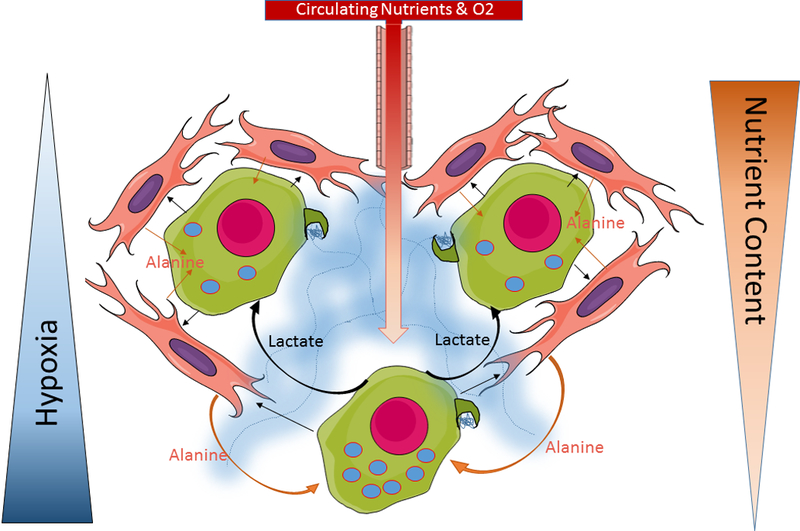
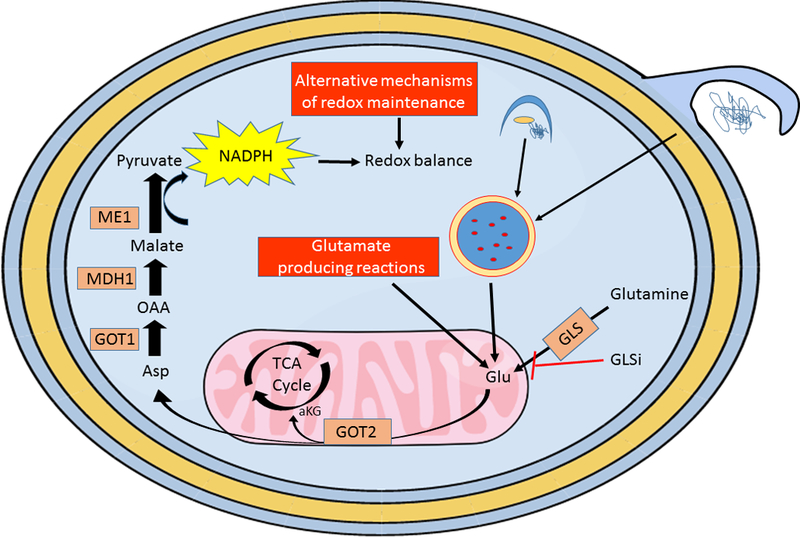
Pancreatic ductal adenocarcinoma (PDA) is an aggressive cancer that is highly refractory to the current standards of care. The difficulty in treating this disease is due to a number of different factors, including altered metabolism. In PDA, the metabolic rewiring favors anabolic reactions which supply the cancer cell with necessary cellular building blocks for unconstrained growth. Furthermore, PDA cells display high levels of basal autophagy and macropinocytosis. KRAS is the driving oncogene in PDA and many of the metabolic changes are downstream of its activation. Together, these unique pathways for nutrient utilization and acquisition result in metabolic plasticity enabling cells to rapidly adapt to nutrient and oxygen fluctuations. This remarkable adaptability has been implicated as a cause of the intense therapeutic resistance. In this review, we discuss metabolic pathways in PDA tumors and highlight how they contribute to the pathogenesis and treatment of the disease.
Keywords: Autophagy; Macropinocytosis; Metabolism; Microenvironment; Pancreatic cancer.
Copyright © 2018 Elsevier B.V. All rights reserved.
Conflict of interest statement
Figures
References
-
- Siegel RL, Miller KD, and Jemal A, Cancer statistics, 2018. CA Cancer J Clin, 2018. 68(1): p. 7–30. - PubMed
-
- Rahib L, et al. , Projecting cancer incidence and deaths to 2030: the unexpected burden of thyroid, liver, and pancreas cancers in the United States. Cancer Res, 2014. 74(11): p. 2913–21. - PubMed
Publication types
MeSH terms
Substances
Grants and funding
LinkOut - more resources
Full Text Sources
Other Literature Sources
Medical
Miscellaneous
