


Socioenvironmental factors associated with Schistosoma mansoni infection and intermediate hosts in an urban area of northeastern Brazil
- PMID: 29718924
- PMCID: PMC5931446
- DOI: 10.1371/journal.pone.0195519
Socioenvironmental factors associated with Schistosoma mansoni infection and intermediate hosts in an urban area of northeastern Brazil
Abstract
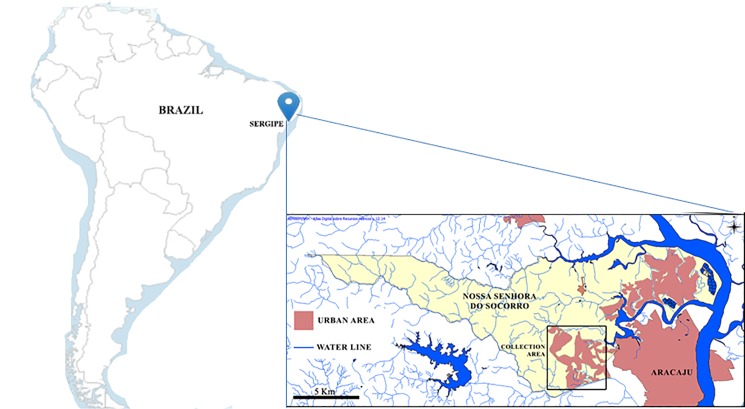
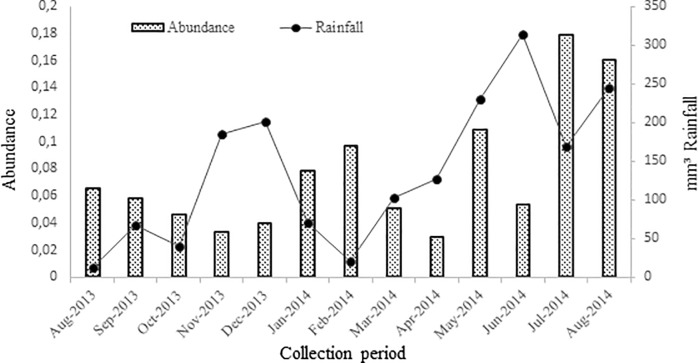
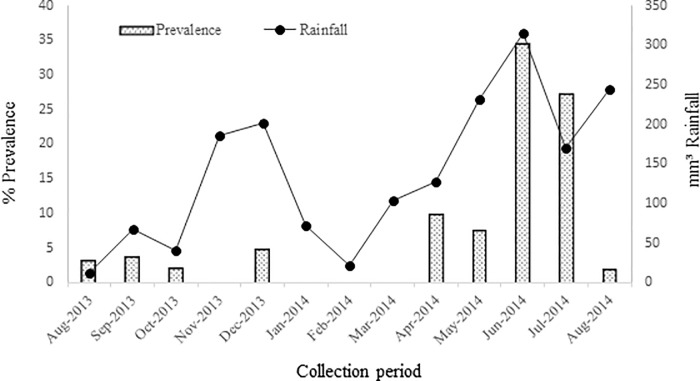
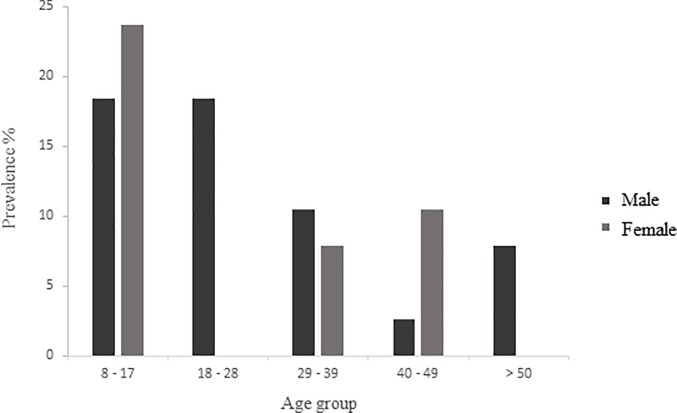
Schistosomiasis, which is caused by trematodes of the genus Schistosoma and by the species Schistosoma mansoni in Brazil, is transmitted primarily by Biomphalaria glabrata mollusks. Infections occur in humans and mollusks in freshwater environments contaminated with feces from infected humans. This study aimed to evaluate potential foci of schistosomiasis based on the identification of infection sites for the snails, factors that increased the human infection probability of S. mansoni infection, and the relationship of the disease with abiotic, biotic, and sociocultural factors. The study was conducted in an urban area on the northeast coast of Brazil; this location was chosen based on the following factors: the presence of B. glabrata, nearby freshwater, and the absence of sewer treatment. A parasitological analysis was performed to evaluate infections of the mollusks and residents inside the perimeter defined by the collection points. Questionnaires were applied to obtain demographic data and to identify behaviors that led to human infection. To verify the contamination of freshwater by human feces, a microbiological analysis of the water was performed at the mollusk collection points to determine the rate of contamination with fecal coliforms. A total of 10,270 B. glabrata mollusks were collected between August 2013 and August 2014, of which 8.8% were positive for S. mansoni; the prevalence ranged from 0 to 34.5% over the study period. A total of 232 coprological samples from the residents were analyzed. The S. mansoni infection prevalence rate was 16.4%, and the S. mansoni parasitic load in the infected residents was 54.9 eggs per gram of feces on average. Males were more affected by the parasite, especially in the 8-17-year-old age range. Thermotolerant coliforms were observed at the mollusk collection sites, which indicated that freshwater and sewage were in continuous contact. This contamination indicated poor sanitary conditions, as was previously observed, which could be combined with detrimental behavior due to the residents' habits. These conditions cause a predisposition for both intermediate and definitive infections of the hosts by creating a socioenvironmental scenario that is conducive to the formation and maintenance of potential schistosomiasis foci. This and similar areas deserve special attention from the government with an aim of improving sanitation services and local resident knowledge to prevent future contamination.
Conflict of interest statement
Figures
References
-
- Sanches M, Knoff M, Gomes DC, Brener B. Checklist of platyhelminth parasites of humans deposited in helminthological collection of the Oswaldo Cruz Institute, Brazil. Neotrop Helminthol. 2016; 10: 73–84.
-
- Balaban AE, Fried B. Maintenance of Biomphalaria glabrata infected with Schistosoma mansoni in artificial spring water, deionized water, or conditioned tap water. Comp Parasitol. 2013; 80: 118–119.
-
- Ruganuza DM, Mazigo HD, Waihenya R, Morona D, Mkoji GM. Schistosoma mansoni among pre-school children in Musozi village, Ukerewe Island, North-Western-Tanzania: prevalence and associated risk factors. Parasit Vectors; 2015; 8: 377 doi: 10.1186/s13071-015-0997-9 - DOI - PMC - PubMed
-
- Silva PB, Barbosa CS, Pieri O, Travassos A, Florencio L. Physico-chemical and biological aspects related to the occurrence of Biomphalaria glabrata in foci of schistosomiasis in coastal areas of the state of Pernambuco, Brazil. Quim. Nova. 2006; 29: 901–906.
-
- Teles HMS. Geographic distribution of Schistosoma mansoni transmitter snail species in State of São Paulo. Rev Soc Bras Med Trop. 2005; 38: 426–432. - PubMed
MeSH terms
LinkOut - more resources
Full Text Sources
Other Literature Sources
