


Is prevention better than cure? A systematic review of the effectiveness of well-being interventions for military personnel adjusting to civilian life
- PMID: 29718969
- PMCID: PMC5931793
- DOI: 10.1371/journal.pone.0190144
Is prevention better than cure? A systematic review of the effectiveness of well-being interventions for military personnel adjusting to civilian life
Abstract
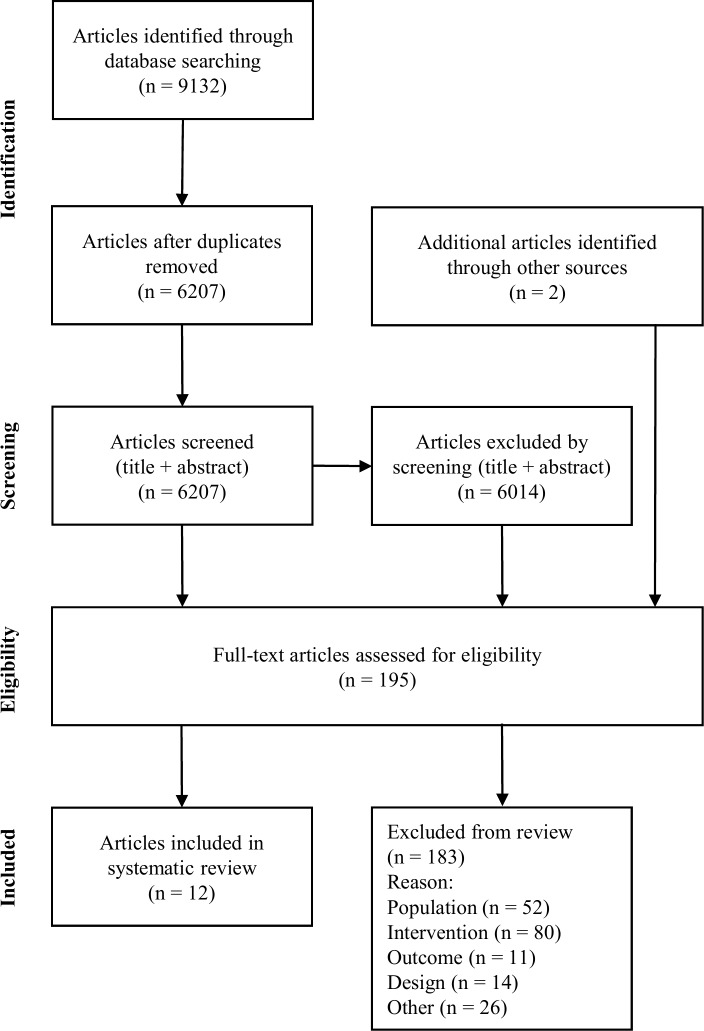
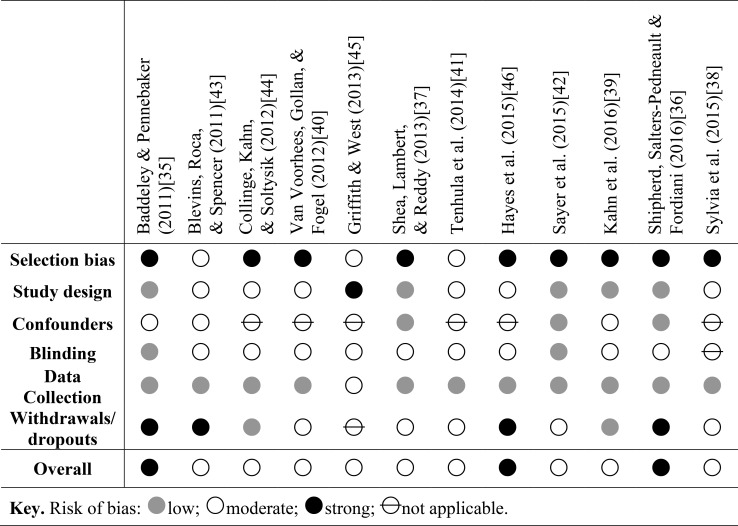
Exposure to stressful and potentially traumatic experiences is a risk for military personnel and for some this may increase susceptibility to reduced well-being. The aim of this systematic review was to examine the effectiveness of interventions to promote the well-being of military personnel adjusting to civilian life. Electronic databases were searched including MEDLINE, Embase, HMIC, PsycINFO, Pilots and CINAHL. Twelve articles, all conducted in the USA, were included in the review. Articles were synthesised narratively and assessed for bias against established criteria. The studies evaluated the effectiveness of interventions for current and former military personnel. The interventions included expressive writing, anger management, cognitive training, psycho-education, and techniques to promote relaxation, connection in relationships and resilience. Interventions had some significant positive effects mostly for veterans adjusting to civilian life and other family members. There was much heterogeneity in the design and the outcome measures used in the studies reviewed. The review highlights the need for future robust trials examining the effectiveness of well-being interventions in military groups with diverse characteristics; in addition qualitative research to explore a conceptualisation of well-being for this group and the acceptability of interventions which may be perceived as treatment. The results of the review will be of interest to a number of stakeholders in military, public health and mental health settings. PROSPERO Registration number: CRD42015026341.
Conflict of interest statement
Figures
References
-
- Warner KE, Meisnere M, Denning LA(editors). Preventing psychological disorders in service members and their families: an assessment of programs Washington DC: National Academies Press; 2014. - PubMed
-
- Harms PD, Krasikova DV, Vanhove AJ, Herian MN, Lester PB. Stress and emotional well-being in military organizations In Perrewe PL, Rosen CC & Halbesleben JRB (editors). The Role of Emotion and Emotion Regulation in Job Stress and Well Being. Bingley: Emerald Group Publishing Limited; 2013;103–32.
-
- Ahern J, Worthen M, Masters J, Lippman SA, Ozer EJ, Moos R. The challenges of Afghanistan and Iraq veterans’ transition from military to civilian life and approaches to reconnection. PloS one. 2015;10(7): doi: 10.1371/journal.pone.0128599 - DOI - PMC - PubMed
-
- Cooper L, Caddick N, Godier L, Cooper A, Fossey M. Transition From the Military Into Civilian Life: An Exploration of Cultural Competence. Armed Forces & Society. 2016; 44(1):156–177.
Publication types
MeSH terms
LinkOut - more resources
Full Text Sources
Other Literature Sources
Medical
