


In situ delivery of allogeneic natural killer cell (NK) combined with Cetuximab in liver metastases of gastrointestinal carcinoma: A phase I clinical trial
- PMID: 29721386
- PMCID: PMC5927529
- DOI: 10.1080/2162402X.2018.1424673
In situ delivery of allogeneic natural killer cell (NK) combined with Cetuximab in liver metastases of gastrointestinal carcinoma: A phase I clinical trial
Abstract
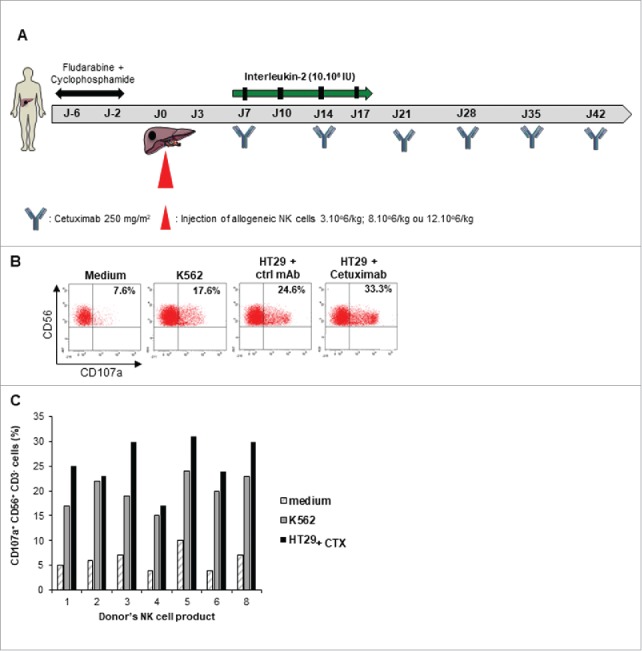
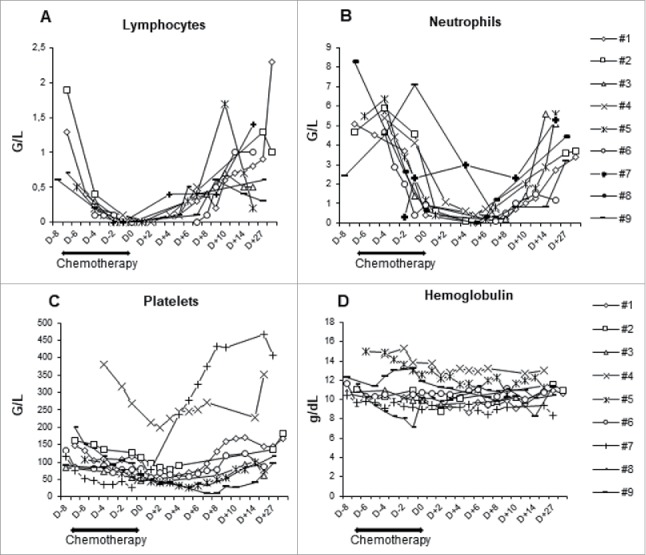
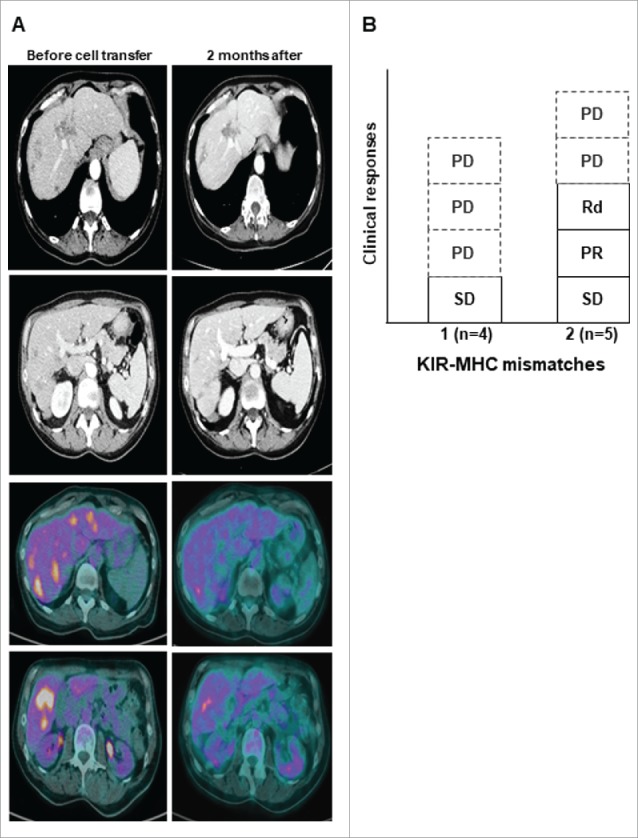
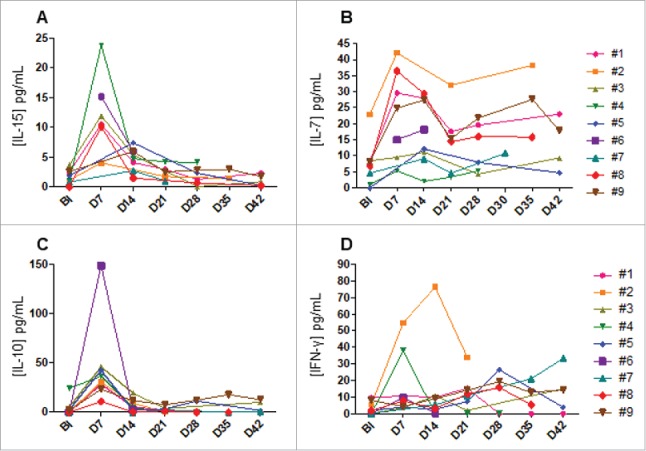
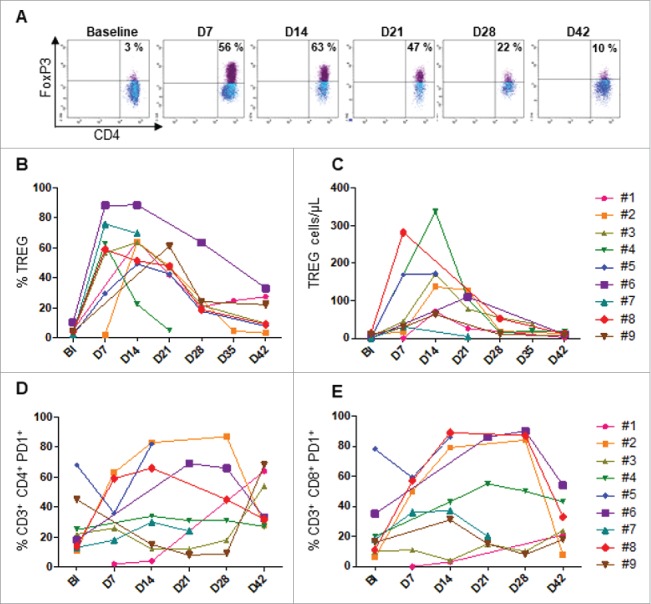
Despite successful introduction of NK-based cellular therapy in the treatment of myeloid leukemia, the potential use of NK alloreactivity in solid malignancies is still elusive. We performed a phase I clinical trial to assess the safety and efficacy of in situ delivery of allogeneic NK cells combined with cetuximab in liver metastasis of gastrointestinal origin. The conditioning chemotherapy was administrated before the allogeneic NK cells injection via hepatic artery. Three escalating doses were tested (3.106, 8.106 and 12.106 NK cells/kg) following by a high-dose interleukin-2 (IL-2). Cetuximab was administered intravenously every week for 7 weeks. Nine patients with liver metastases of colorectal or pancreatic cancers were included, three per dose level. Hepatic artery injection was successfully performed in all patients with no report of dose-limiting toxicity. Two patients had febrile aplasia requiring a short-term antibiotherapy. Grade 3/4 anemia and thrombopenia were also observed related to the chemotherapy. Objective clinical responses were documented in 3 patients and among them 2 occurred in patients injected with cell products harboring two KIR ligand mismatches and one in a patient with one KIR ligand mismatch. Immune monitoring revealed that most patients presented an increase but transient of IL-15 and IL-7 cytokines levels one week after chemotherapy. Furthermore, a high expansion of FoxP3+regulatory T cells and PD-1+ T cells was observed in all patients, related to IL-2 administration. Our results demonstrated that combining allogeneic NK cells transfer via intra-hepatic artery, cetuximab and a high-dose IL-2 is feasible, well tolerated and may result in clinical responses.
Keywords: NK cell; adoptive cell transfer; cetuximab; intrahepatic infusion.
Figures
References
-
- Borg C, Jalil A, Laderach D, Maruyama K, Wakasugi H, Charrier S, Ryffel B, Cambi A, Figdor C, Vainchenker W, et al.. NK cell activation by dendritic cells (DCs) requires the formation of a synapse leading to IL-12 polarization in DCs. Blood. 2004;104:3267–75. doi: 10.1182/blood-2004-01-0380. - DOI - PubMed
Publication types
LinkOut - more resources
Full Text Sources
Other Literature Sources
