


Tissue storage affects lipidome profiling in comparison to in vivo microsampling approach
- PMID: 29725071
- PMCID: PMC5934459
- DOI: 10.1038/s41598-018-25428-2
Tissue storage affects lipidome profiling in comparison to in vivo microsampling approach
Abstract
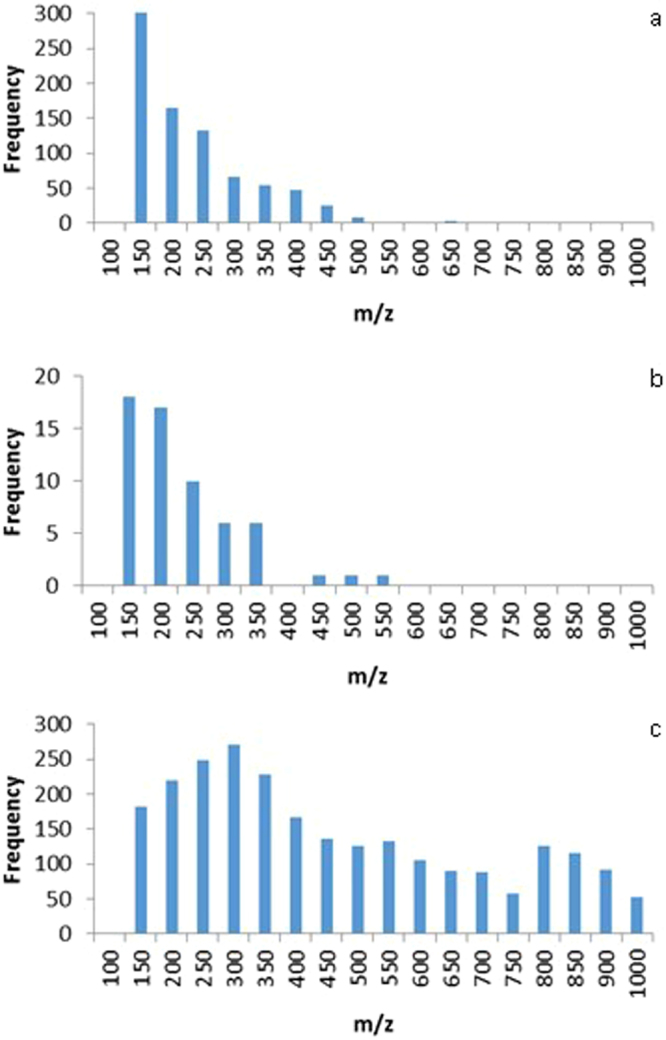
Low-invasive in vivo solid-phase microextraction (SPME) was used to investigate the lipid profiles of muscle tissue of living fish. Briefly, mixed mode SPME fibers were inserted into the muscle for 20 min extraction, and then the fibers were desorbed in an optimal mixture of solvents. The obtained lipid profile was then compared and contrasted to that obtained with employment of ex vivo SPME and solid-liquid extraction (SLE) from fish muscle tissue belonging to the same group of fish, following a one-year storage period. Ex vivo SPME analysis of stored muscle samples revealed 10-fold decrease in the number of detected molecular features in comparison to in vivo study. Moreover, in vivo microsampling enabled the identification of different classes of bioactive lipids, including fatty acyls, not present in the lipid profile obtained through ex vivo SPME and SLE, suggesting the alterations occurring in the unbound lipid fraction of the system under study during the storage and also indicating the advantage of the in vivo extraction approach.
Conflict of interest statement
The authors declare no competing interests.
Figures
References
-
- Zhao, Y.-Y., Cheng, X. & Lin, R.-C. Chapter One – Lipidomics Applications for Discovering Biomarkers of Diseases in Clinical Chemistry. International Review of Cell and Molecular Biology313 (2014). - PubMed
Publication types
MeSH terms
Substances
LinkOut - more resources
Full Text Sources
Other Literature Sources
