. 2018 May 4;14(5):e1007013.
doi: 10.1371/journal.ppat.1007013. eCollection 2018 May.

Biphasic zinc compartmentalisation in a human fungal pathogen

Affiliations

Biphasic zinc compartmentalisation in a human fungal pathogen

Aaron C Crawford et al. PLoS Pathog. .

Abstract

Nutritional immunity describes the host-driven manipulation of essential micronutrients, including iron, zinc and manganese. To withstand nutritional immunity and proliferate within their hosts, pathogenic microbes must express efficient micronutrient uptake and homeostatic systems. Here we have elucidated the pathway of cellular zinc assimilation in the major human fungal pathogen Candida albicans. Bioinformatics analysis identified nine putative zinc transporters: four cytoplasmic-import Zip proteins (Zrt1, Zrt2, Zrt3 and orf19.5428) and five cytoplasmic-export ZnT proteins (orf19.1536/Zrc1, orf19.3874, orf19.3769, orf19.3132 and orf19.52). Only Zrt1 and Zrt2 are predicted to localise to the plasma membrane and here we demonstrate that Zrt2 is essential for C. albicans zinc uptake and growth at acidic pH. In contrast, ZRT1 expression was found to be highly pH-dependent and could support growth of the ZRT2-null strain at pH 7 and above. This regulatory paradigm is analogous to the distantly related pathogenic mould, Aspergillus fumigatus, suggesting that pH-adaptation of zinc transport may be conserved in fungi and we propose that environmental pH has shaped the evolution of zinc import systems in fungi. Deletion of C. albicans ZRT2 reduced kidney fungal burden in wild type, but not in mice lacking the zinc-chelating antimicrobial protein calprotectin. Inhibition of zrt2Δ growth by neutrophil extracellular traps was calprotectin-dependent. This suggests that, within the kidney, C. albicans growth is determined by pathogen-Zrt2 and host-calprotectin. As well as serving as an essential micronutrient, zinc can also be highly toxic and we show that C. albicans deals with this potential threat by rapidly compartmentalising zinc within vesicular stores called zincosomes. In order to understand mechanistically how this process occurs, we created deletion mutants of all five ZnT-type transporters in C. albicans. Here we show that, unlike in Saccharomyces cerevisiae, C. albicans Zrc1 mediates zinc tolerance via zincosomal zinc compartmentalisation. This novel transporter was also essential for virulence and liver colonisation in vivo. In summary, we show that zinc homeostasis in a major human fungal pathogen is a multi-stage process initiated by Zrt1/Zrt2-cellular import, followed by Zrc1-dependent intracellular compartmentalisation.


Conflict of interest statement

The authors have declared that no competing interests exist

Figures

Fig 1
Fig 1. pH-dependent functionality and regulation of Zrt1 and Zrt2 in C. albicans.
(A) Zrt2 is essential in acidic medium. Indicated strains, precultured in YPD, were washed and cultured in SD (YNB+glucose) medium alone, or supplemented with 100 μM ZnSO4 or with 50 mM HEPES pH 7.4. Asterisks indicate statistical significance compared to the wild type; # indicates statistical significance compare to the zrt2Δ in SD; P <0.05. (B) ZRT1 promoter activity is pH regulated and ZRT2 is constitutively expressed under zinc limitation. (PZRT1-GFP and PZRT2-GFP reporter strains in LZM buffered to indicated pH values). LZM was used due to lower green autofluorescence. Experiment performed three times. (C) Double deletion of ZRT1 and ZRT2 precludes growth at both acidic and neutral alkaline pH. Strains were cultured as in (A) and growth kinetics measured over 48 h in a microtitre plate. Experiment performed twice in triplicate.
Fig 2
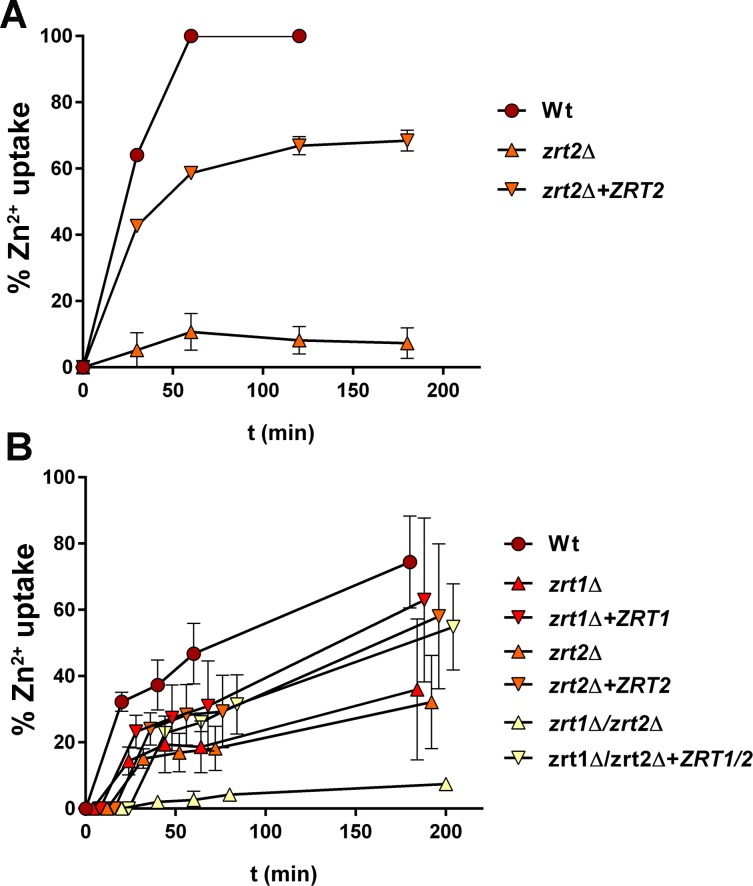
Fig 2. Zinc uptake by C. albicans is mediated by Zrt1 and Zrt2.
(A) Indicated strains were cultured in low zinc medium (SD0, pH ~4.7), exposed to 25 μM ZnSO4 and zinc acquisition determined at indicated time points by measuring how much zinc remained in the cell free supernatant. C. albicans wild type acquires all measurable zinc within 60 minute; zrt2Δ does not; complementation restored zinc acquisition to 68%. Experiment performed three times (B) Indicated strains were incubated in RPMI without zinc for 24 h, exposed to 25 μM ZnSO4 and zinc acquisition determined as in panel A. Wild type cells acquire 74% of zinc by three hours; uptake is reduced by approximately 50% in zrt1Δ and zrt2Δ. zrt1Δ/zrt2Δ fails to take up zinc. Experiment performed twice. Data points have been shifted to the right to make them visible amongst strains.
Fig 3
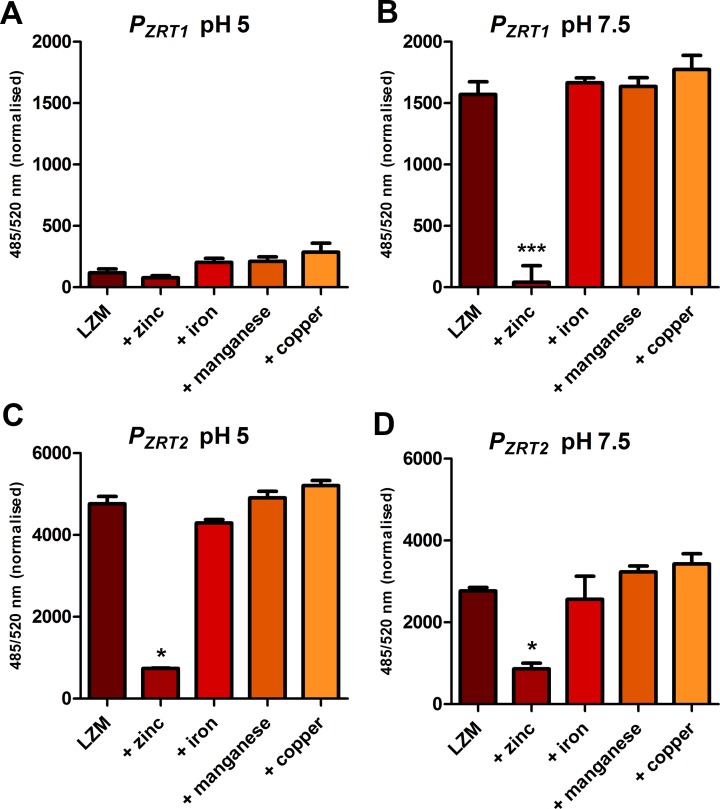
Fig 3. PZRT1 and PZRT2 metallo-regulation is zinc specific.
Excess (100 μM) zinc, but not iron, manganese or copper downregulate PZRT1-GFP (A and B) and PZRT2-GFP (C and D). Experiment was performed three times. *(P <0.05) and *** (P <0.0001) = significantly different from LZM, Student’s t-test.
Fig 4
Fig 4. Growth of zrt2Δ strains is specifically rescued by excess zinc.
Indicated strains were cultured as in Fig 1 with zinc, iron, manganese (100 μM) or copper (10 μM) and growth kinetics measured over 36 h in a microtitre plate. Experiment performed twice in triplicate. Iron had a moderate inhibitory effect on C. albicans growth. Note that only zinc rescued growth of zrt2Δ strains.
Fig 5
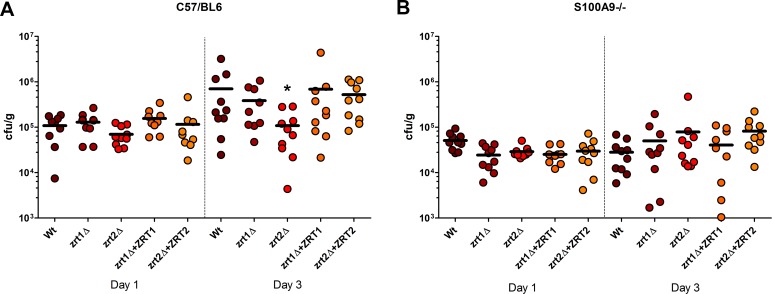
Fig 5. C. albicans Zrt2 is required for kidney colonisation in the presence of functional calprotectin.
Indicated mice strains were infected with indicated fungal strains and kidney colonisation determined by plating CFUs on day one and day three post-infection. At day three post-infection, C. albicans wild type kidney fungal burden had increased significantly by 6.5-fold (P = 0.034), Deletion of ZRT2 precluded an increase in kidney fungal burden between day one and day three post-infection (P = 0.597), asterisk. Complementation of zrt2Δ with a single copy of ZRT2 restored kidney colonisation at day three (4.5-fold higher than at day one, P = 0.004).
Fig 6
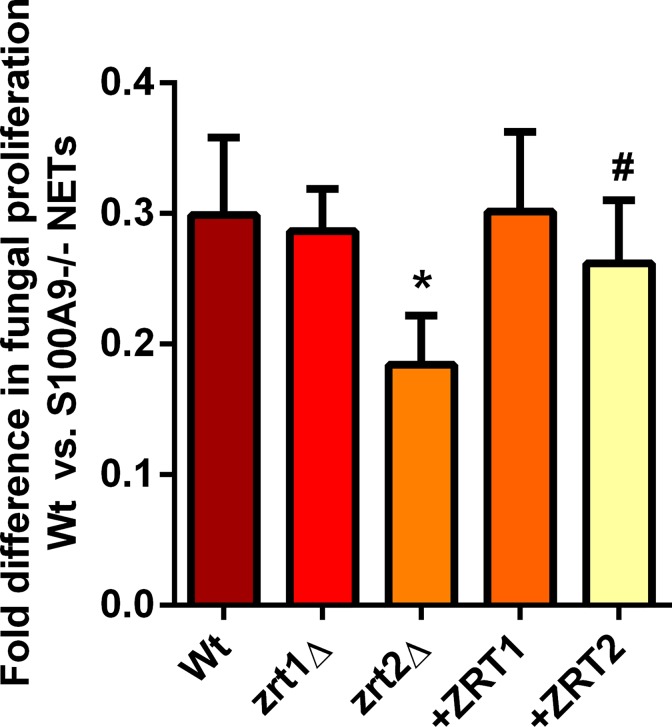
Fig 6. Zrt2 protects against calprotectin-dependent inhibition of fungal growth during C. albicans-neutrophil extracellular trap interaction.
Indicated strains were incubated with wild type or S100A9-/- -derived NETs or in medium only. Following ~21 hours incubation, metabolic activity was determined by XTT assay. Activity in the presence of both NET groups was determined compared to control conditions in the absence of NETs. Experiment was performed three time. * indicates P < 0.05 and # not significantly different to wild type, Students t-test Data presented are fold reduction in activity due to the presence of calprotectin.
Fig 7
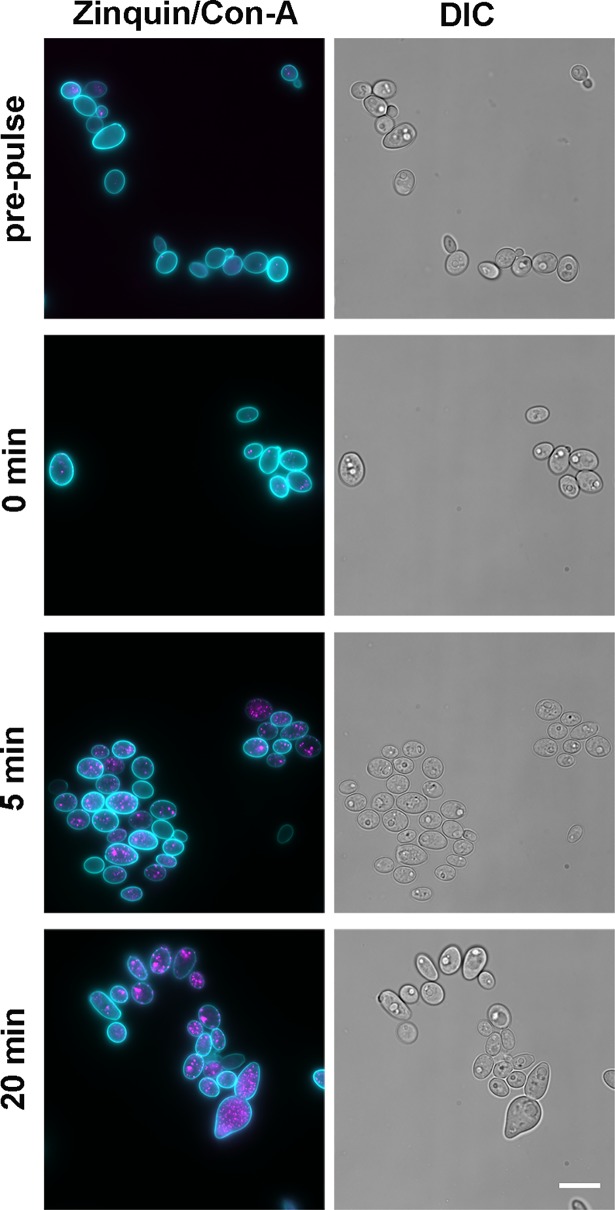
Fig 7. Kinetics of zincosome formation in C. albicans.
Cells were incubated overnight in YNB-zinc-dropout medium (SD0) to deplete zincosomes and pulsed with 25 μM ZnSO4 for indicated time points. Cells were then stained with zinquin to probe for zincosomal zinc and the cell wall stained with Concanavalin A conjugated to Alexa-647. Left hand column shows false colour overlay of cell wall (cyan) and zincosomes (magenta). Right hand column shows DIC; Experiment performed three times and representative images shown.
Fig 8
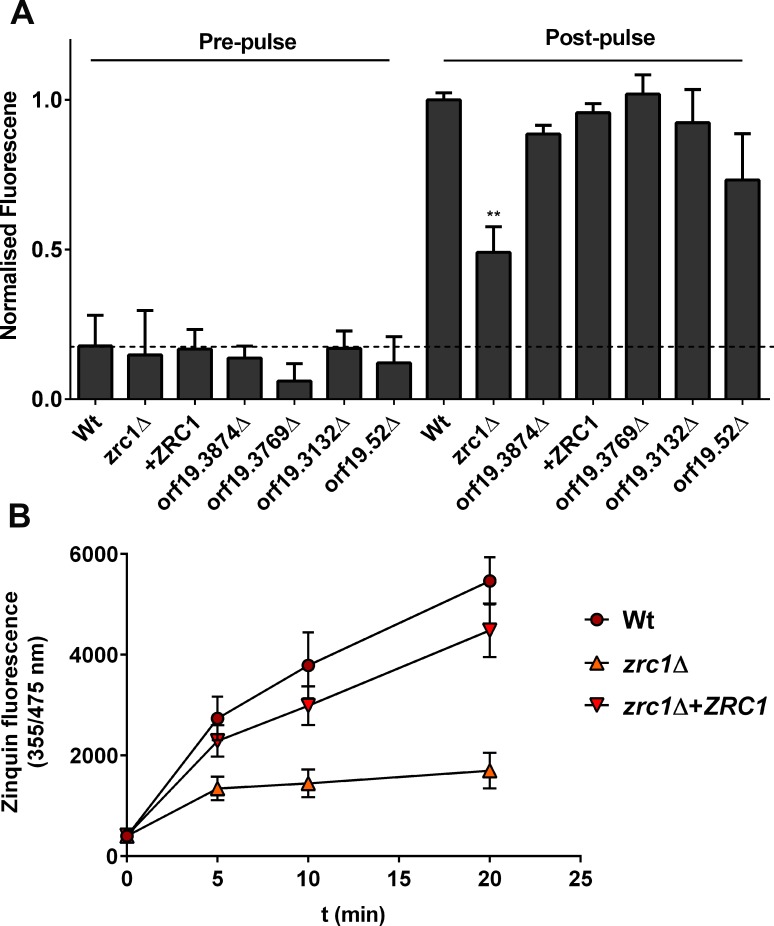
Fig 8. Zincosome formation is Zrc1 dependent.
(A) Zincosome screen. Wild type, ZnT deletion mutants and zrc1Δ+ZRC1 strains were pulsed with 25 μM zinc for 20 minutes and zincosome fluorescence determined by staining with zinquin. Prepulsed cells were also stained as control. Experiment was performed at least twice in duplicates and all data normalised to the post-pulse value of wild type. ANOVA was first performed on initial (pre-normalised data). Asterisks indicate statistical significance compared to wild type and to relevant deletion mutant ** P <0.01. (B) As panel A, except zinquin fluorescence kinetics was determined by flow cytometry. Experiment performed three times. zrc1Δ exhibits significantly reduced zinquin fluorescence compared to wild type and revertant at 20 minutes P < 0.001, ANOVA.
Fig 9
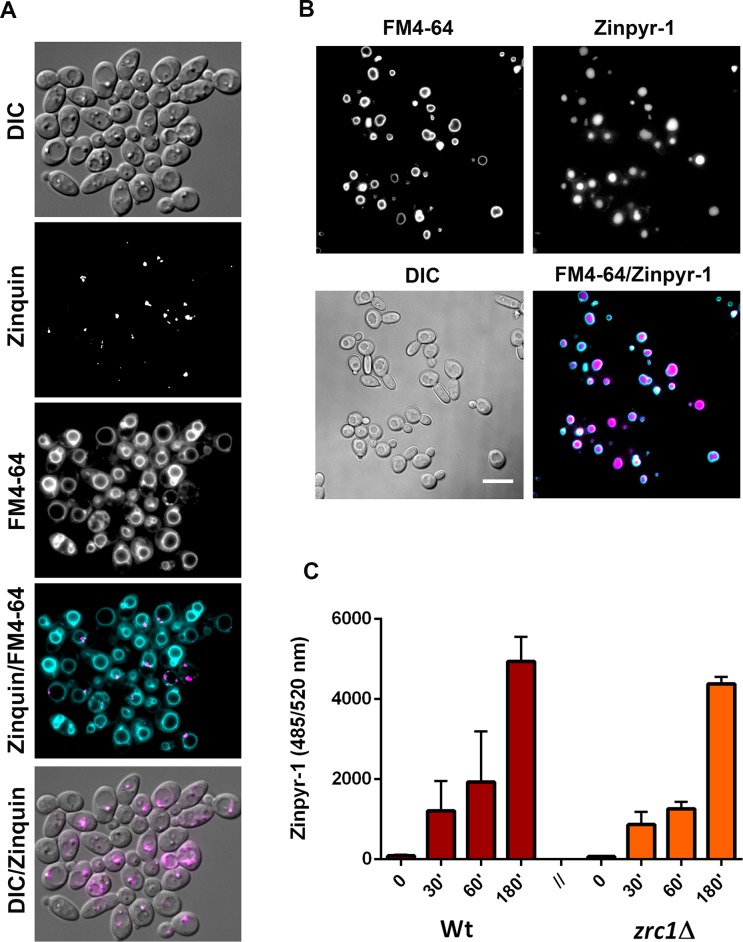
Fig 9. Relationship between zincosomes and vacuole in C. albicans.
(A) Cells were co-stained with zinquin (zincosomes) and FM4-64, which stains the fungal vacuole membrane. Note that zincosomes are not intra-vacuolar. (B) The zinc-specific probe Zinpyr-1 can be used to detect vacuolar zinc in C. albicans. Cells were co-stained with Zinpyr-1 and FM4-64. Note that Zinpyr-1 stains vacuolar zinc in C. albicans (C) Zrc1 is not required for vacuolar zinc import. Cells were loaded with Zinpyr-1, pulsed with 25 μM zinc and Zinpyr-1 fluorescence determined at 0, 30, 60 and 180 minutes post pulse. Experiments performed at least twice.
Fig 10
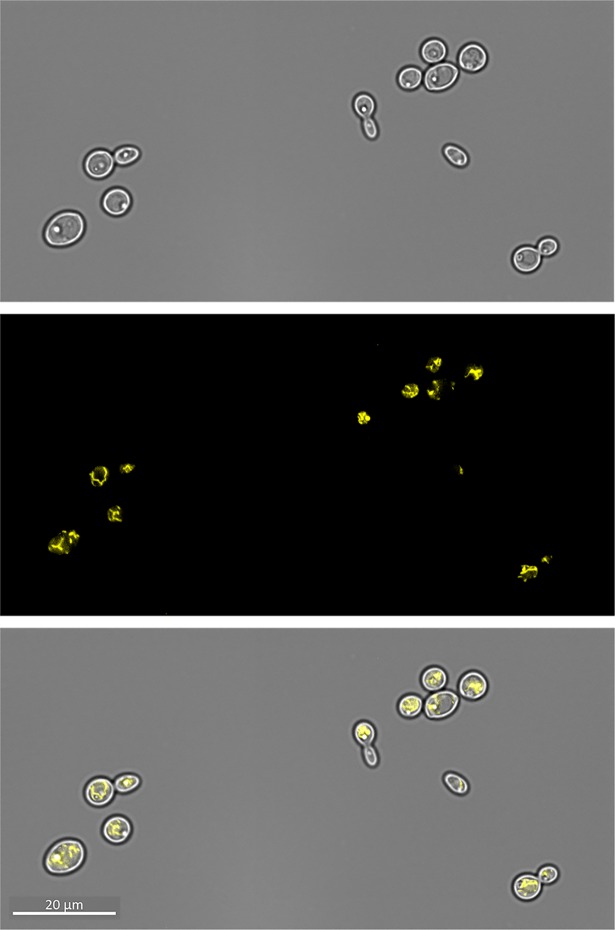
Fig 10. Zrc1 exhibits intracellular membrane localisation.
The remaining copy of Zrc1 in a zrc1Δ/ZRC1 heterozygous mutant was tagged at its C-terminus with a codon optimised Venus yellow fluorescent protein. The resulting strain was incubated for 24 h in SD0, treated with 25 μM zinc for 20 minutes and imaged. Note that Zrc1 does not localise exclusively to the vacuole as is the case in S. cerevisiae and C. neoformans, but rather to the internal membrane system, reminiscent of the endoplasmic reticulum. Experiment was performed twice.
Fig 11
Fig 11. Zrc1 is essential for zinc detoxification.
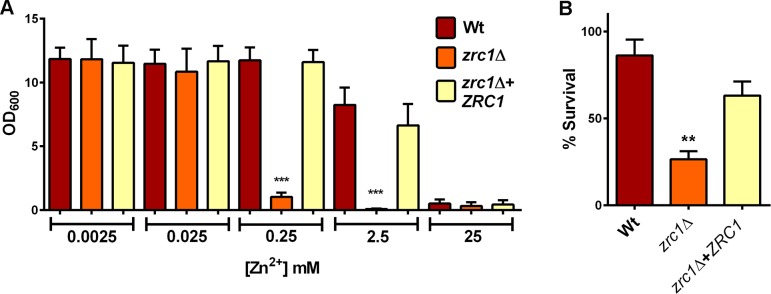
(A) Strains were cultured for 24 h in SD0 medium containing indicated zinc supplementation. Experiment performed at least three times in duplicate for zinc concentrations at 25 μM and above. *** indicates significant difference (P < 0.001) compared to wild type and revertant, ANOVA. (B) Strains were precultured in SD0, challenged with 1 M ZnSO4 for 3 h and viability assessed by measuring CFUs. ** indicates significant difference (P < 0.01) compared to wild type and revertant, ANOVA. Experiment performed three times for wild type and zrc1Δ and twice in duplicate for all three strains.
Fig 12
Fig 12. Relationship between Zrc1, zincosomes and zinc tolerance.
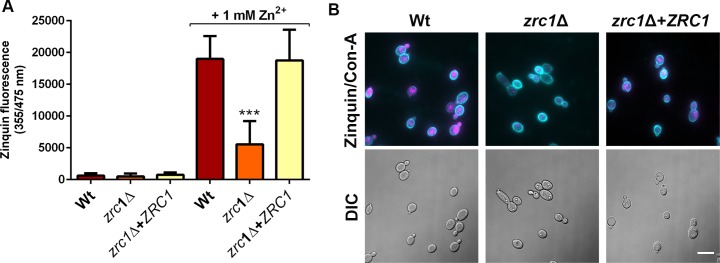
(A) Cells were challenged with potentially toxic zinc (1 mM), stained with zinquin and fluorescence determined. P < 0.0001 compared to wild type and revertant. (B) Micrographs of cells treated as in A. Note that zrc1Δ is highly defective for zincosome formation in response to 1 mM ZnSO4 –a condition under which wild type, but not zrc1Δ cells can grow (S7 Fig).
Fig 13
Fig 13. Zrc1 is required for virulence in a Galleria infection model.
Galleria larvae (10 per group) were infected with 105 C. albicans cells and monitored every 12 h. Note that whilst wild type result in high mortality, only one zrc1Δ-infected larvae died. Experiment performed twice—here, and in S8 Fig. zrc1Δ is significantly attenuated compared to wild type (P = 0.0001) and zrc1Δ+ZRC1 (P = 0.0009), but not compared to PBS control (P = 0.3173); Log-rank (Mantel-Cox) test.
Fig 14
Fig 14. Zrc1 is essential for liver colonisation.
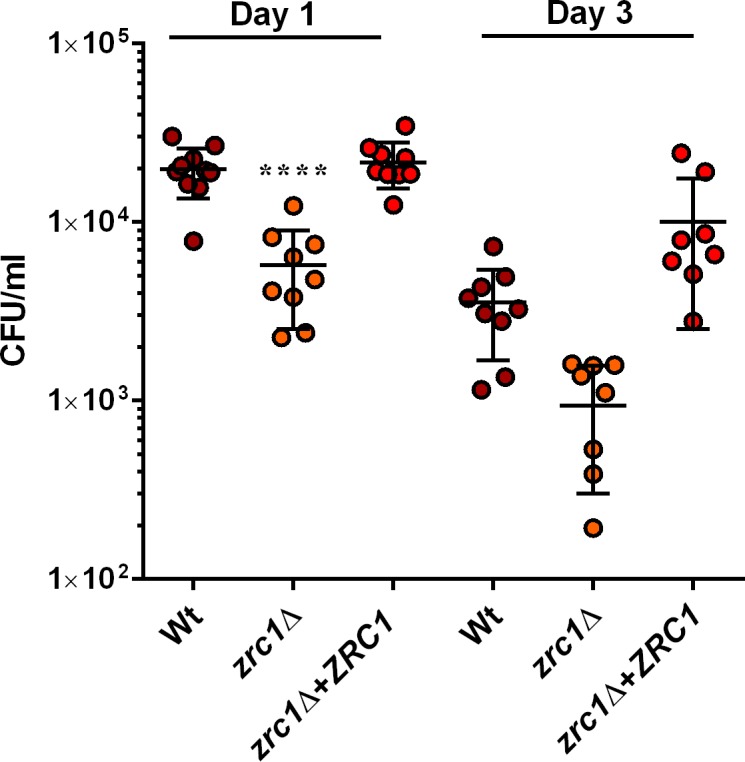
Mice were infected with indicated fungal strains and liver colonisation determined by plating CFUs on day one and day three post-infection. Asterisks indicate significant difference compared to wild type and revertant, ANOVA.

References

    1. Waldron KJ, Rutherford JC, Ford D, Robinson NJ (2009) Metalloproteins and metal sensing. Nature 460: 823–830. doi: 10.1038/nature08300 - DOI - PubMed
    1. Andreini C, Bertini I, Rosato A (2009) Metalloproteomes: a bioinformatic approach. Acc Chem Res 42: 1471–1479. doi: 10.1021/ar900015x - DOI - PubMed
    1. Skaar EP (2010) The battle for iron between bacterial pathogens and their vertebrate hosts. PLoS Pathog 6: e1000949 doi: 10.1371/journal.ppat.1000949 - DOI - PMC - PubMed
    1. Hood MI, Skaar EP (2012) Nutritional immunity: transition metals at the pathogen-host interface. Nat Rev Microbiol 10: 525–537. doi: 10.1038/nrmicro2836 - DOI - PMC - PubMed
    1. Botella H, Peyron P, Levillain F, Poincloux R, Poquet Y, Brandli I, Wang C, Tailleux L, Tilleul S, Charriere GM, Waddell SJ, Foti M, Lugo-Villarino G, Gao Q, Maridonneau-Parini I, Butcher PD, Castagnoli PR, Gicquel B, de Chastellier C, Neyrolles O (2011) Mycobacterial p(1)-type ATPases mediate resistance to zinc poisoning in human macrophages. Cell Host Microbe 10: 248–259. doi: 10.1016/j.chom.2011.08.006 - DOI - PMC - PubMed

Publication types

MeSH terms

LinkOut - more resources