


Using machine learning to identify patterns of lifetime health problems in decedents with autism spectrum disorder
- PMID: 29734508
- PMCID: PMC6203659
- DOI: 10.1002/aur.1960
Using machine learning to identify patterns of lifetime health problems in decedents with autism spectrum disorder
Abstract
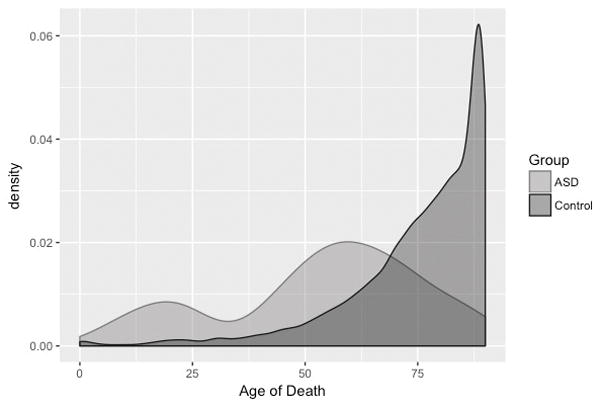
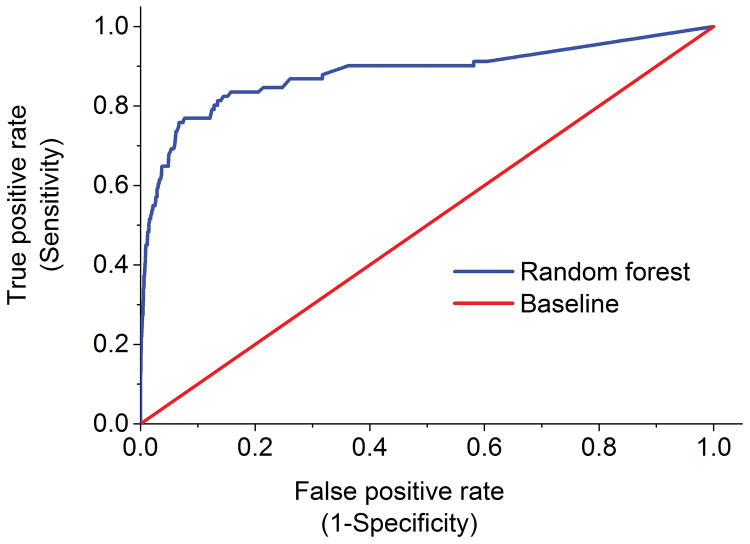
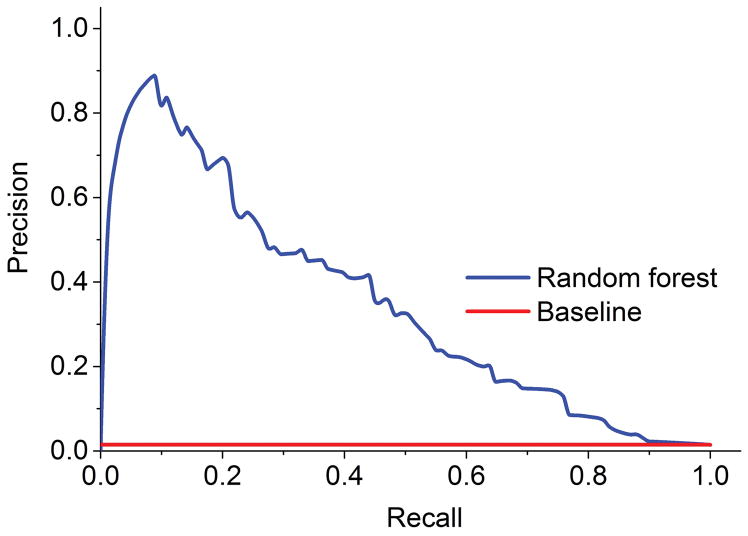
Very little is known about the health problems experienced by individuals with autism spectrum disorder (ASD) throughout their life course. We retrospectively analyzed diagnostic codes associated with de-identified electronic health records using a machine learning algorithm to characterize diagnostic patterns in decedents with ASD and matched decedent community controls. Participants were 91 decedents with ASD and 6,186 sex and birth year matched decedent community controls who had died since 1979, the majority of whom were middle aged or older adults at the time of their death. We analyzed all ICD-9 codes, V-codes, and E-codes available in the electronic health record and Elixhauser comorbidity categories associated with those codes. Diagnostic patterns distinguished decedents with ASD from decedent community controls with 75% sensitivity and 94% specificity solely based on their lifetime ICD-9 codes, V-codes, and E-codes. Decedents with ASD had higher rates of most conditions, including cardiovascular disease, motor problems, ear problems, urinary problems, digestive problems, side effects from long-term medication use, and nonspecific lab tests and encounters. In contrast, decedents with ASD had lower rates of cancer. Findings suggest distinctive lifetime diagnostic patterns among decedents with ASD and highlight the need for more research on health outcomes across the lifespan as the population of individuals with ASD ages. As a large wave of individuals with ASD diagnosed in the 1990s enters adulthood and middle age, knowledge about lifetime health problems will become increasingly important for care and prevention efforts. Autism Res 2018, 11: 1120-1128. © 2018 International Society for Autism Research, Wiley Periodicals, Inc. LAY SUMMARY: This study looked at patterns of lifetime health problems to find differences between people with autism who had died and community controls who had died. People with autism had higher rates of most health problems, including cardiovascular, urinary, respiratory, digestive, and motor problems, in their electronic health records. They also had lower rates of cancer. More research is needed to understand these potential health risks as a large number of individuals with autism enter adulthood and middle age.
Keywords: aging; health; machine learning; mortality; older adult.
© 2018 International Society for Autism Research, Wiley Periodicals, Inc.
Figures
References
-
- American Psychiatric Association. Diagnostic and statistical manual of mental disorders. 5. Washington, DC: American Psychiatric Association; 2013.
-
- Breiman L. Random forests. Machine learning. 2001;45(1):5–32.
-
- Caamaño M, Boada L, Merchán-Naranjo J, Moreno C, Llorente C, Moreno D, … Parellada M. Psychopathology in children and adolescents with ASD without mental retardation. Journal of Autism and Developmental Disorders. 2013;43(10):2442–2449. - PubMed
-
- Cashin A, Buckley T, Trollor JN, Lennox N. A scoping review of what is known of the physical health of adults with autism spectrum disorder. Journal of Intellectual Disabilities 2016 - PubMed
Publication types
MeSH terms
Grants and funding
- T32 HD007489/HD/NICHD NIH HHS/United States
- UO1HG8701/HG/NHGRI NIH HHS/United States
- KL2TR000428/TR/NCATS NIH HHS/United States
- UL1 TR002373/TR/NCATS NIH HHS/United States
- U54 HD090256/HD/NICHD NIH HHS/United States
- KL2 TR002374/TR/NCATS NIH HHS/United States
- U01 HG008701/HG/NHGRI NIH HHS/United States
- KL2 TR000428/TR/NCATS NIH HHS/United States
- T32HD007489/HD/NICHD NIH HHS/United States
- UL1TR002373/TR/NCATS NIH HHS/United States
- KL2TR002374/TR/NCATS NIH HHS/United States
- L30 AG057116/AG/NIA NIH HHS/United States
LinkOut - more resources
Full Text Sources
Other Literature Sources
Medical
Research Materials
Miscellaneous
