Therapeutic Intervention for Visuo-Spatial Neglect after Stroke: A Meta-Analysis of Randomized Controlled Trials
- PMID: 29740529
- PMCID: PMC5935145
- DOI: 10.24171/j.phrp.2018.9.2.04
Therapeutic Intervention for Visuo-Spatial Neglect after Stroke: A Meta-Analysis of Randomized Controlled Trials
Abstract
Objectives: The aims of this meta-analysis were to examine intervention methods of qualitatively, well-designed studies from the past 10 years for treating visuo-spatial neglect (VSN) in patients who had suffered a stroke, and to evaluate the combined effects of intervention.
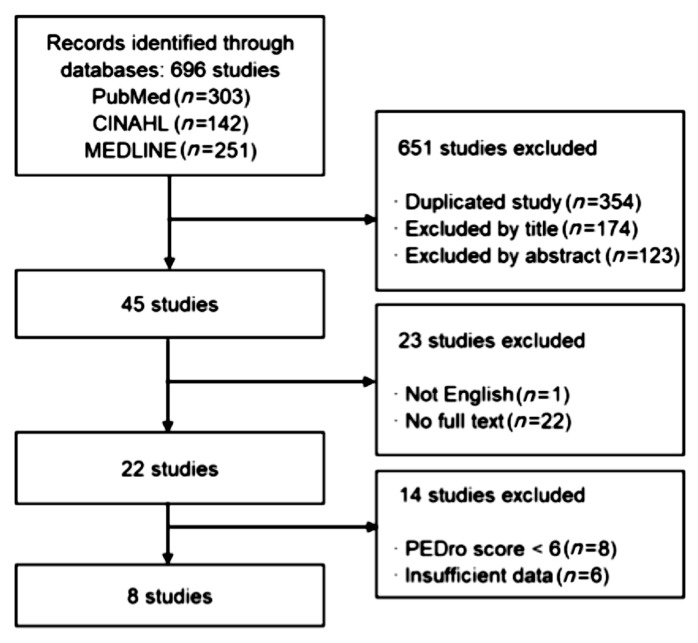
Methods: Studies published between 2008 and 2017 on the theme of VSN were collected from PubMed, CINAHL, and MEDLINE, representative academic databases and search engines. The PEDro scale was used for evaluating the quality of methodology. The sample size, mean, and standard deviation of identified studies were used for meta-analysis.
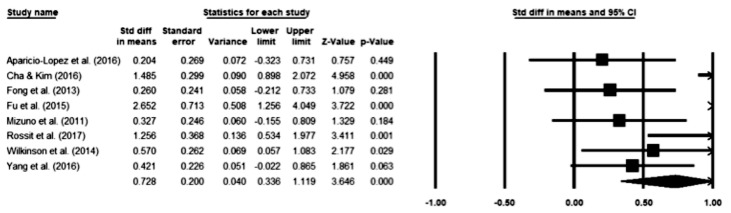
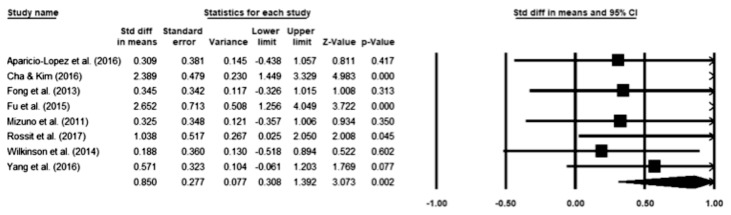
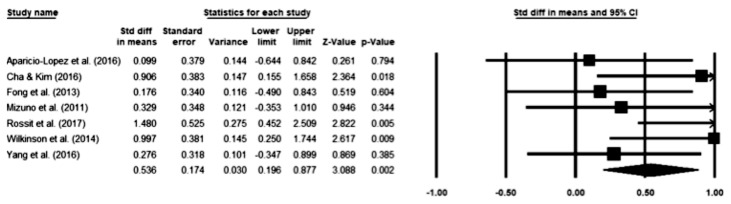
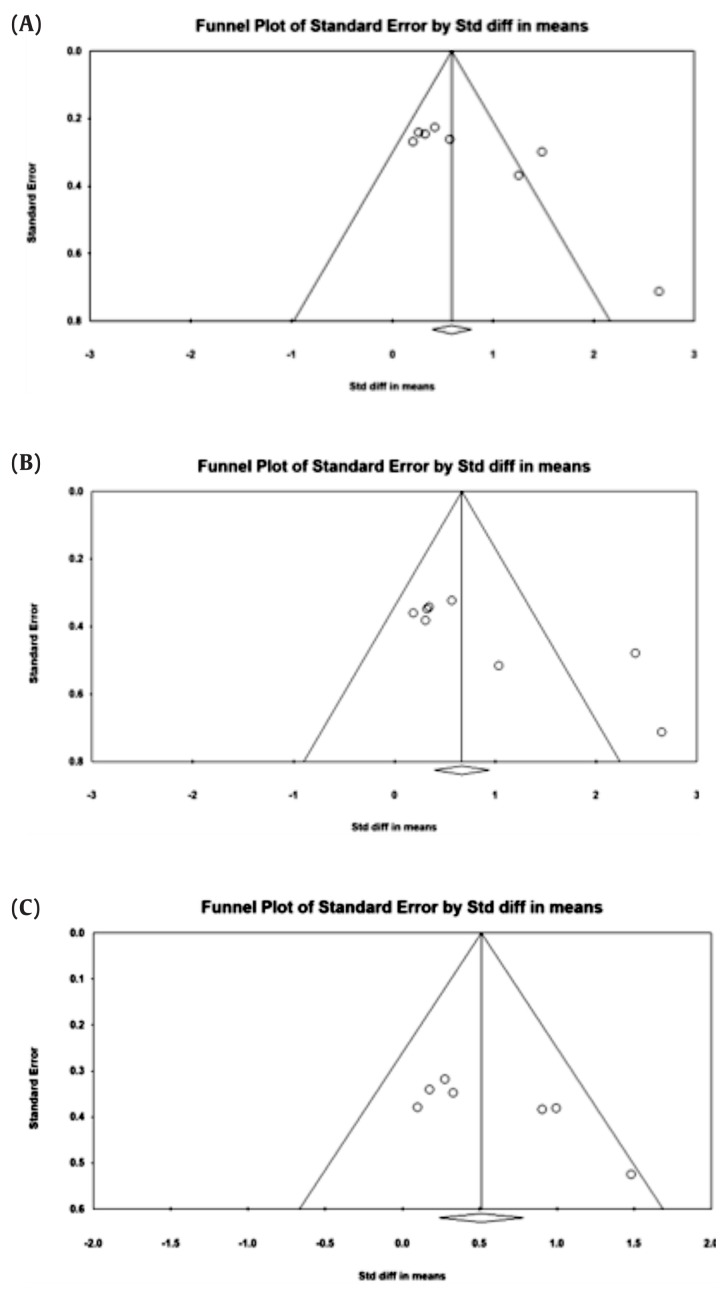
Results: Eight studies were selected for analysis. The PEDro scores of the selected studies were ≥ 7, with 237 subjects analyzed. The results of intervention were classified into "mental function" and "activity and participation" based on the International Classification of Functioning, Disability and Health. The analyzed effect sizes for combined outcomes, mental function and, activity and participation, were 0.728 (medium effect size), 0.850 (large effect size), and 0.536 (medium effect size), respectively.
Conclusion: Intervention methods for treating VSN had a short-term effect on cognitive function (visual perception). In particular, non-invasive brain stimulation therapy showed a large effect size for VSN treatment.
Keywords: brain; meta-analysis; stroke; therapeutic; visual perception.
Conflict of interest statement
Conflicts of Interest No potential conflicts of interest relevant to this article was reported.
Figures
References
LinkOut - more resources
Full Text Sources
Other Literature Sources
Miscellaneous