


Technology-Based Behavioral Interventions for Daily Activities and Supported Ambulation in People With Alzheimer's Disease
- PMID: 29742903
- PMCID: PMC10852424
- DOI: 10.1177/1533317518775038
Technology-Based Behavioral Interventions for Daily Activities and Supported Ambulation in People With Alzheimer's Disease
Abstract
Objectives: These 2 studies evaluated technology-based behavioral interventions for promoting daily activities and supported ambulation in people with mild-to-moderate and moderate-to-severe Alzheimer's disease, respectively.
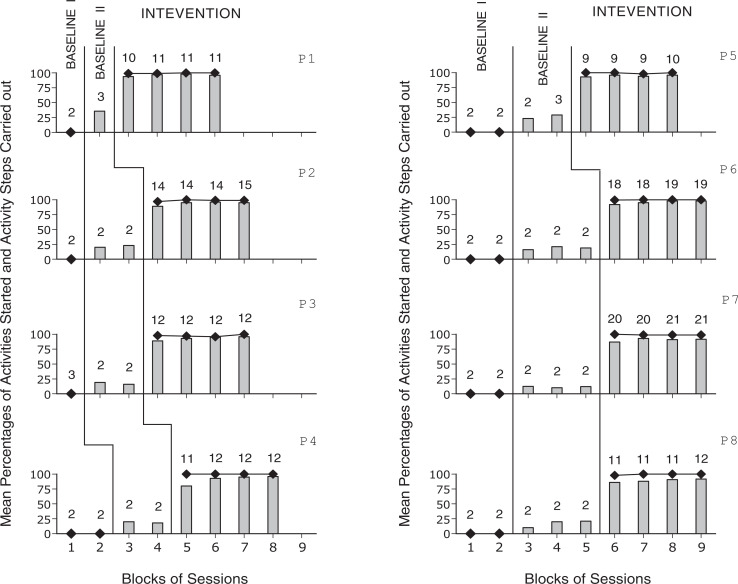
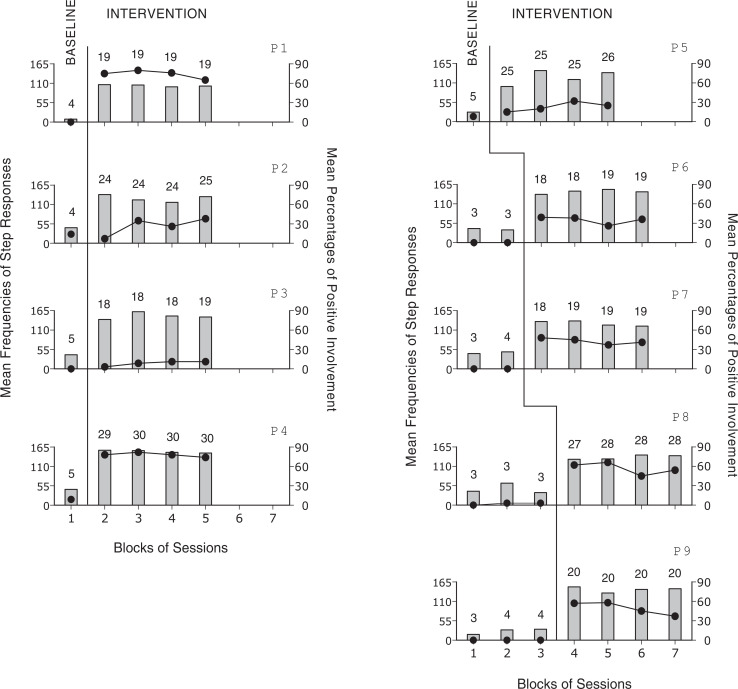
Methods: Study 1 included 8 participants who were taught to start and carry out daily activities on their own using a tablet or smartphone device, which provided activity reminders, step instructions, and praise. Study 2 included 9 participants who were taught to engage in brief periods of ambulation using a walker combined with a tilt microswitch and a notebook computer, which monitored step responses and provided stimulation and prompts.
Results: The participants of study 1 succeeded in starting the activities independently and carrying them out accurately. The participants of study 2 largely increased their ambulation levels and also showed signs of positive involvement (eg, smiles and verbalizations).
Conclusion: The aforementioned technology-based interventions may represent practical means for supporting people with Alzheimer's disease.
Keywords: Alzheimer’s disease; ambulation; daily activities; instructions; reminders; technology-based programs.
Conflict of interest statement
The authors declared no potential conflicts of interest with respect to the research, authorship, and/or publication of this article.
Figures
References
-
- Bernick C, Cummings J, Raman R, Sun X, Aisen P. Age and rate of cognitive decline in Alzheimer disease: implications for clinical trials. Arch Neurol. 2012;69(7):901–905. - PubMed
-
- Sikkes SA, Pijnenburg YA, Knol DL, de Lange-de Klerk ES, Scheltens P, Uitdehaag BM. Assessment of instrumental activities of daily living in dementia: diagnostic value of the Amsterdam instrumental activities of daily living questionnaire. J Geriatr Psychiatry Neurol. 2013;26(4):244–250. - PubMed
MeSH terms
LinkOut - more resources
Full Text Sources
Other Literature Sources
Medical
