


Etiology, syndrome diagnosis, and cognition in childhood-onset epilepsy: A population-based study
- PMID: 29750215
- PMCID: PMC5939454
- DOI: 10.1002/epi4.12036
Etiology, syndrome diagnosis, and cognition in childhood-onset epilepsy: A population-based study
Abstract
Objective: To evaluate the prevalence of various etiologies of epilepsies and epilepsy syndromes and to estimate cognitive function in cases of childhood-onset epilepsy.
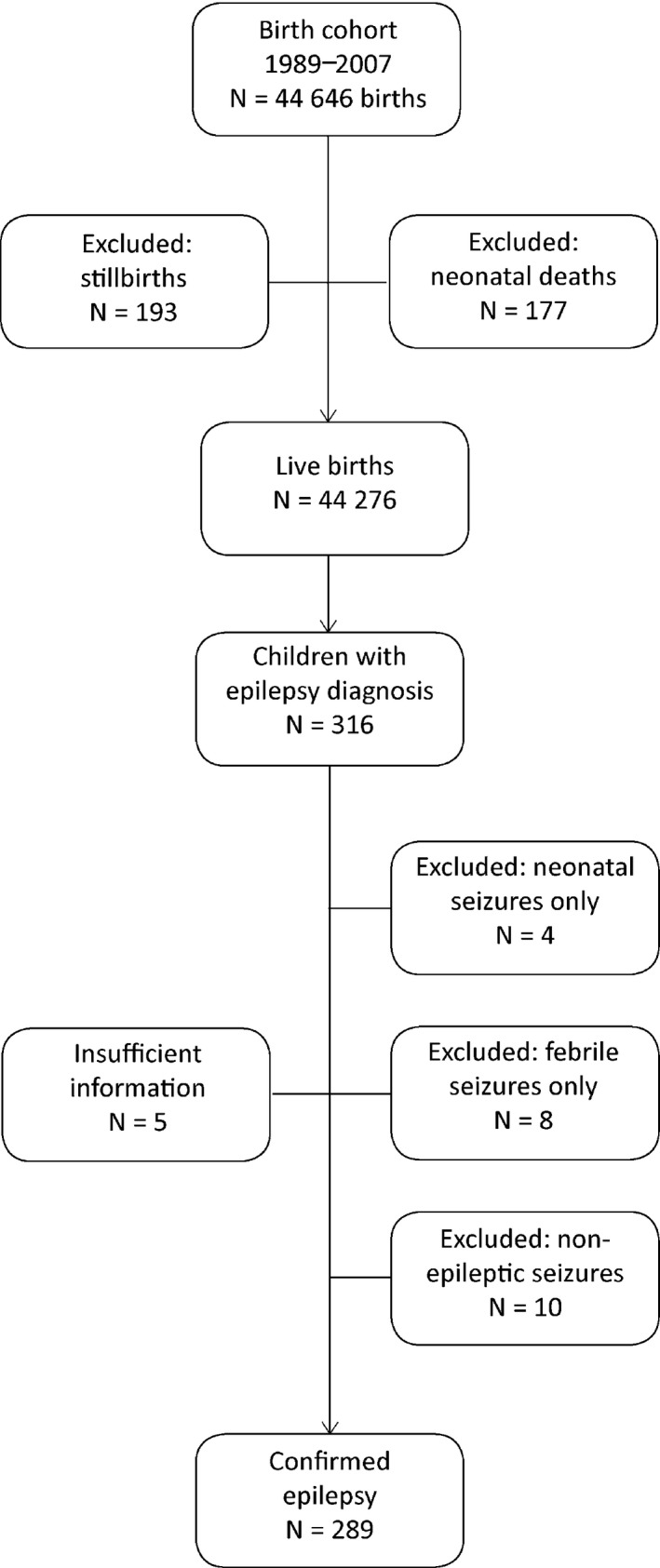
Methods: A population-based retrospective registry study. We identified all medically treated children with epilepsy born in 1989-2007 in Finland's Kuopio University Hospital catchment area, combining data from the birth registry and the national registry of special-reimbursement medicines. We reevaluated the epilepsy diagnoses and syndromes and gathered data on etiologies and cognitive impairment.
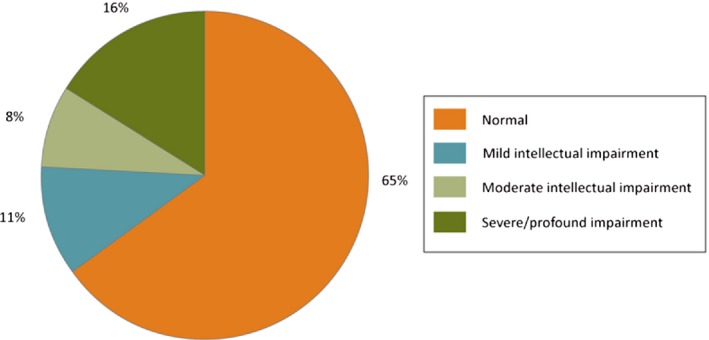
Results: We identified 289 children with epilepsy. The annual incidence rate of epilepsies and epilepsy syndromes was 38 in 100,000, and the misdiagnosis rate was 3%. A specific etiology was identified in 65% of the cases, with a structural etiology accounting for 29% and a genetic or presumed genetic etiology for 32%. Most patients with unknown-etiology epilepsy had focal epilepsy and were of normal intelligence. Intellectual disability was detected in 35% of cases, and only 17% in this group had an unknown etiology for the epilepsy. Electroclinical syndromes (mainly West syndrome) were recognized in 35% of the patients.
Significance: Epilepsy is a complex disease that encompasses many etiologies and rare syndromes. The etiology and specific epilepsy syndrome are important determinants of the outcome and key factors in treatment selection. Etiological diagnosis can be achieved for the majority of children and syndromic diagnosis for only a third.
Keywords: Adolescence; Childhood; Classification; Cognition; Epilepsy; Epilepsy syndrome; Etiology; Intelligence; Pediatric; Prevalence.
Figures
References
-
- Forsgren L, Beghi E, Oun A, et al. The epidemiology of epilepsy in Europe—a systematic review. Eur J Neurol 2005;12:245–253. - PubMed
-
- Moshe SL, Perucca E, Ryvlin P, et al. Epilepsy: new advances. Lancet 2015;385:884–898. - PubMed
-
- Thurman DJ, Beghi E, Begley CE, et al. Standards for epidemiologic studies and surveillance of epilepsy. Epilepsia 2011;52(Suppl. 7):2–26. - PubMed
-
- Cowan LD. The epidemiology of the epilepsies in children. Ment Retard Dev Disabil Res Rev 2002;8:171–181. - PubMed
LinkOut - more resources
Full Text Sources
Other Literature Sources
