


Neuropathic pain in leprosy: symptom profile characterization and comparison with neuropathic pain of other etiologies
- PMID: 29756085
- PMCID: PMC5902246
- DOI: 10.1097/PR9.0000000000000638
Neuropathic pain in leprosy: symptom profile characterization and comparison with neuropathic pain of other etiologies
Abstract
Introduction: Previous studies reported a high prevalence of neuropathic pain in leprosy, being especially present in "pharmacologically cured" patients. The presence of neuropathic pain in leprosy poses a supplementary burden in patient's quality of life, daily activities, and mood.
Objectives: The aim of this study was to assess whether neuropathic pain in leprosy has similar symptom profile as neuropathic pain of other etiologies and to retrospectively assess the efficacy of neuropathic pain medications regularly prescribed to leprosy.
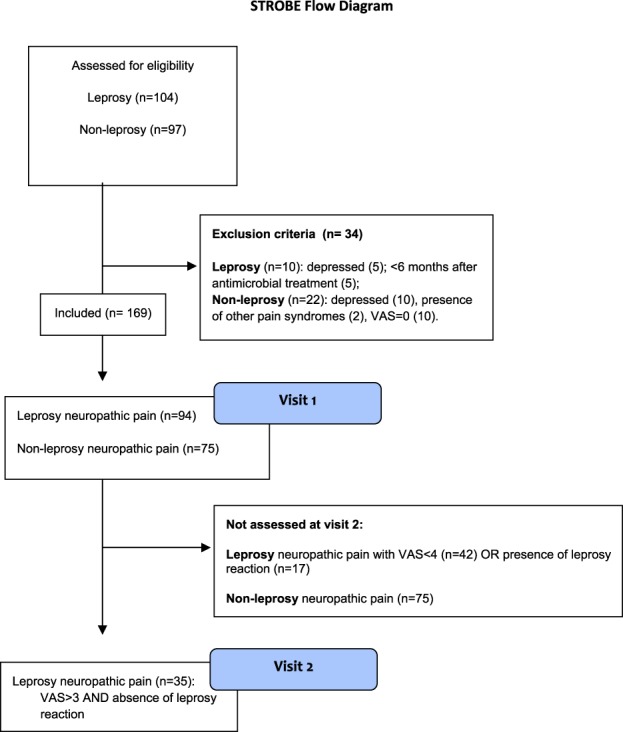
Methods: Leprosy and nonleprosy patients had their neuropathic pain characterized by the neuropathic pain symptom inventory (NPSI, ranges from 0 to 100, with 100 being the maximal neuropathic pain intensity) in a first visit. In a second visit, leprosy patients who had significant pain and received pharmacological treatment in the first evaluation were reassessed (NPSI) and had their pain profile and treatment response further characterized, including information on drugs prescribed for neuropathic pain and their respective pain relief.
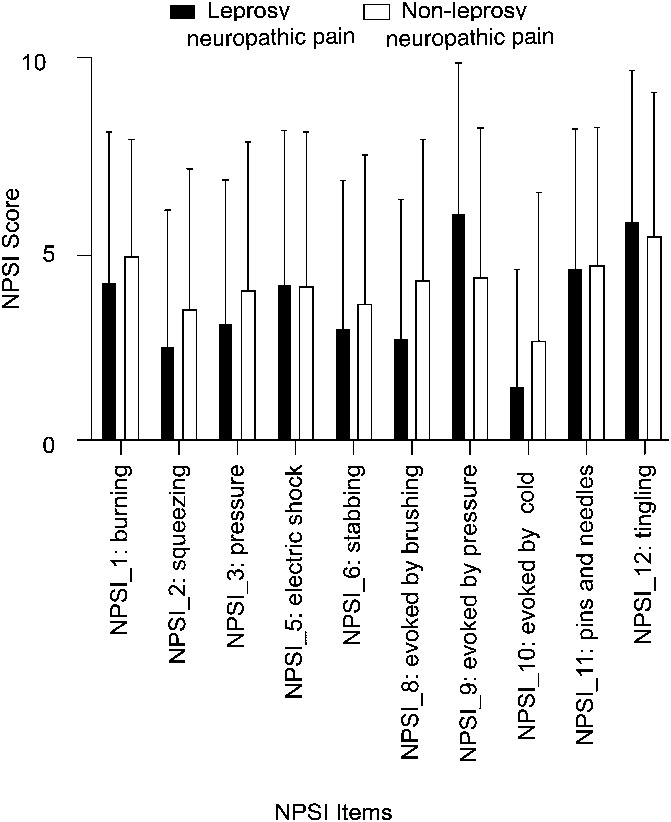
Results: The pain characteristics based on NPSI did not significantly differ between leprosy and nonleprosy neuropathic pain patients in visit 1 after correction for multiple analyses, and cluster analyses confirmed these findings (ie, no discrimination between leprosy and nonleprosy groups; Pearson χ2 = 0.072, P = 0.788). The assessment of pain relief response and the drugs taken by each patient, linear regression analysis showed that amitriptyline, when effective, had the highest percentage of analgesic relief.
Conclusions: Neuropathic pain in leprosy is as heterogeneous as neuropathic pain of other etiologies, further supporting the concept that neuropathic pain is a transetiological entity. Neuropathic pain in leprosy may respond to drugs usually used to control pain of neuropathic profile in general, and amitriptiline may constitute a potential candidate drug for future formal clinical trials aimed at controlling neuropathic pain in leprosy.
Keywords: Candidate drug; Leprosy; Neuropathic pain; Neuropathy; Symptom; Symptom profile.
Conflict of interest statement
Sponsorships or competing interests that may be relevant to content are disclosed at the end of this article.
Figures
References
-
- Alter A, Grant A, Abel L, Alcaïs A, Schurr E. Leprosy as a genetic disease. Mamm Genome 2011;22:19–31. - PubMed
-
- Attal N, Bouhassira D. Pharmacotherapy of neuropathic pain: which drugs, which treatment algorithms? PAIN 2015;156(suppl 1):S104–14. - PubMed
-
- Attal N, Lanteri-Minet M, Laurent B, Fermanian J, Bouhassira D. The specific disease burden of neuropathic pain: results of a French nationwide survey. PAIN 2011;152:2836–43. - PubMed
-
- Avaliação sensitiva na neuropatia hansenica. In: Duerksen F, Virmond M, editors. Cirurgia Reparadora e Reabilitação em Hanseníase. 1st ed Rio de Janeiro: ALM International, 1997. p. 75–83.
-
- Beal BR, Wallace MS. An overview of pharmacologic management of chronic pain. Med Clin North Am 2016;100:65–79. - PubMed
LinkOut - more resources
Full Text Sources