


Tick Paralysis: Solving an Enigma
- PMID: 29757990
- PMCID: PMC6024606
- DOI: 10.3390/vetsci5020053
Tick Paralysis: Solving an Enigma
Abstract
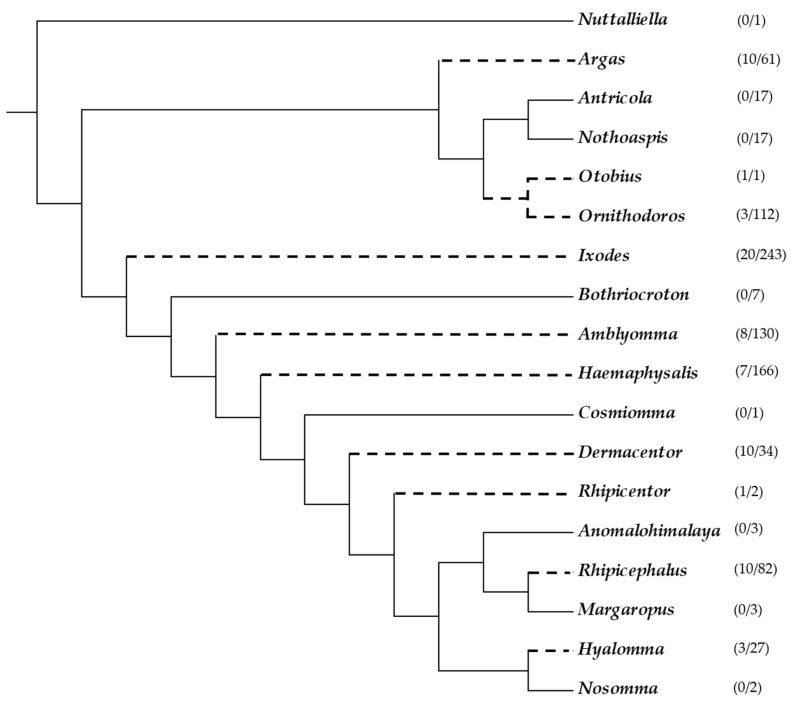
In comparison to other arachnids, ticks are major vectors of disease, but less than 8% of the known species are capable of inducing paralysis, as compared to the ~99⁻100% arachnids that belong to venomous classes. When considering the potential monophyly of venomous Arachnida, this review reflects on the implications regarding the classification of ticks as venomous animals and the possible origin of toxins. The origin of tick toxins is compared with scorpion and spider toxins and venoms based on their significance, functionality, and structure in the search to find homologous venomous characters. Phenotypic evaluation of paralysis, as caused by different ticks, demonstrated the need for expansion on existing molecular data of pure isolated tick toxins because of differences and discrepancies in available data. The use of in-vivo, in-vitro, and in-silico assays for the purification and characterization of paralysis toxins were critically considered, in view of what may be considered to be a paralysis toxin. Purified toxins should exhibit physiologically relevant activity to distinguish them from other tick-derived proteins. A reductionist approach to identify defined tick proteins will remain as paramount in the search for defined anti-paralysis vaccines.
Keywords: blood-feeding; tick evolution; tick paralysis; tick toxicoses; toxin; venom.
Conflict of interest statement
The authors declare no conflict of interest.
Figures
References
-
- Howell C.J., Walker J.B., Nevill E.M. Ticks, Mites and Insects of Domestic Animals of South Africa. Department of Agriculture-Technical Services, Republic of South Africa; Pretoria, South Africa: 1983.
-
- Keirans J.E. Order Ixodida. In: Krantz G.W., Walter D.E., editors. A Manual of Acarology. 3rd ed. Texas Tech University Press; Lubbock, TX, USA: 2009. pp. 111–123.
-
- Guglielmone A.A., Robbins R.G., Apanaskevich D.A., Petney T.N., Estrada-Peña A., Horak I.G., Shao R., Barker S.C. The Argasidae, Ixodidae and Nuttalliellidae (Acari: Ixodida) of the world: A list of valid species names. Zootaxa. 2010;28:1–28.
-
- Gregson J.D. Tick Paralysis: An Appraisal of Natural and Experimental Data. Information Division, Canada Department of Agriculture; Ottawa, ON, Canada: 1973.
Publication types
LinkOut - more resources
Full Text Sources
Other Literature Sources
Miscellaneous
