


The wide utility of rabbits as models of human diseases
- PMID: 29789565
- PMCID: PMC5964082
- DOI: 10.1038/s12276-018-0094-1
The wide utility of rabbits as models of human diseases
Erratum in
-
Author Correction: The wide utility of rabbits as models of human diseases.Exp Mol Med. 2019 Jul 4;51(7):1. doi: 10.1038/s12276-019-0252-0. Exp Mol Med. 2019. PMID: 31270317 Free PMC article.
Abstract
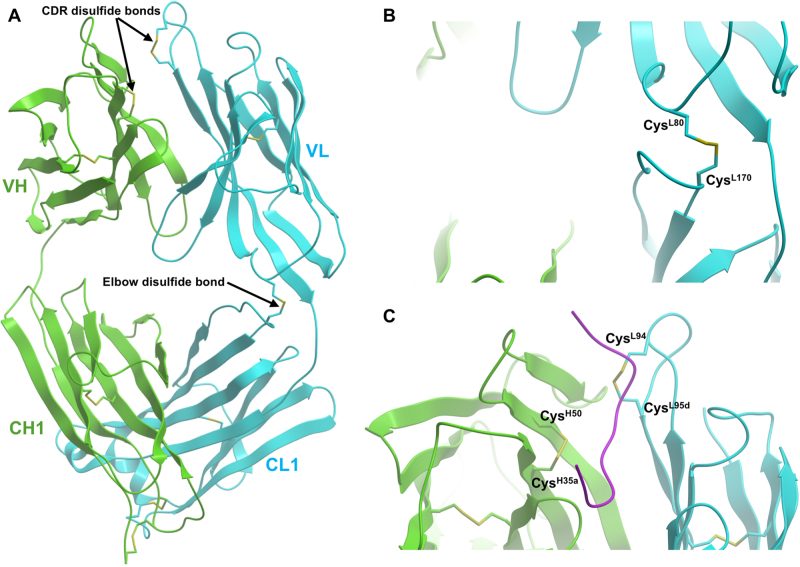
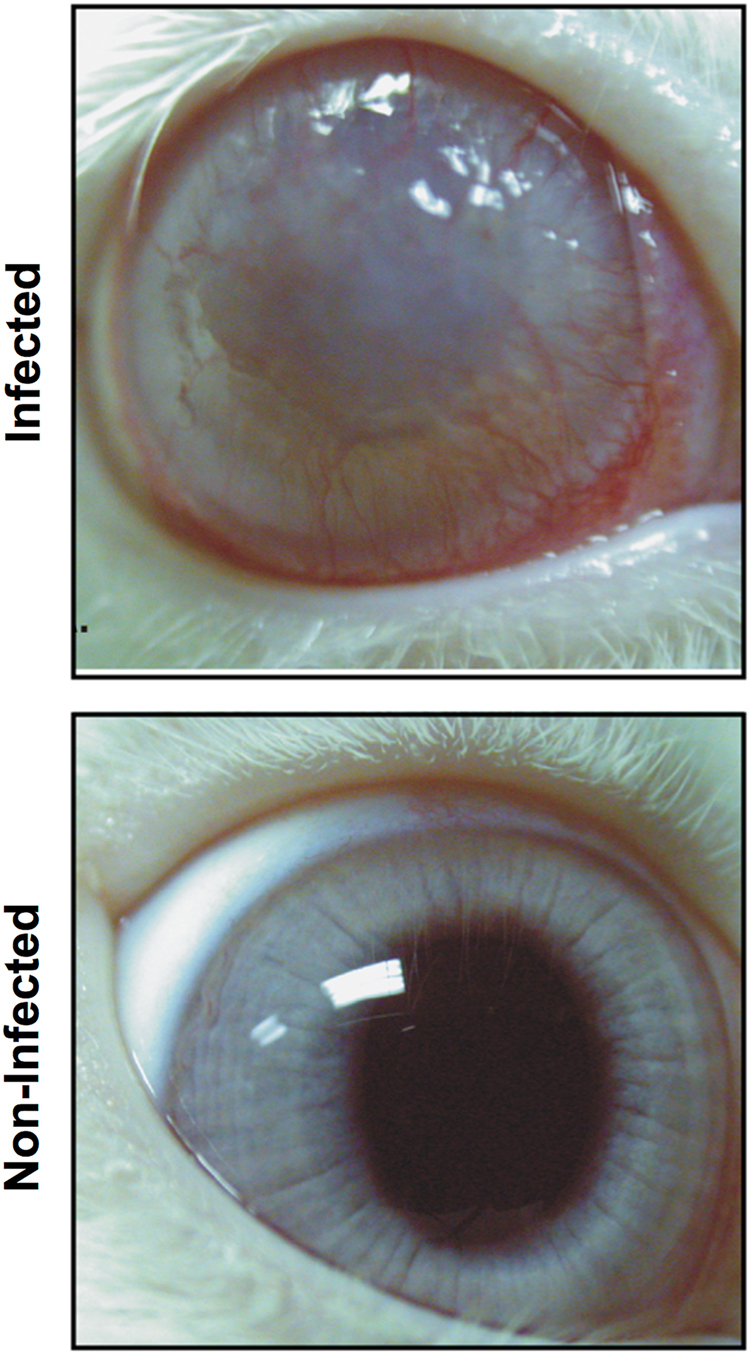
Studies using the European rabbit Oryctolagus cuniculus contributed to elucidating numerous fundamental aspects of antibody structure and diversification mechanisms and continue to be valuable for the development and testing of therapeutic humanized polyclonal and monoclonal antibodies. Additionally, during the last two decades, the use of the European rabbit as an animal model has been increasingly extended to many human diseases. This review documents the continuing wide utility of the rabbit as a reliable disease model for development of therapeutics and vaccines and studies of the cellular and molecular mechanisms underlying many human diseases. Examples include syphilis, tuberculosis, HIV-AIDS, acute hepatic failure and diseases caused by noroviruses, ocular herpes, and papillomaviruses. The use of rabbits for vaccine development studies, which began with Louis Pasteur's rabies vaccine in 1881, continues today with targets that include the potentially blinding HSV-1 virus infection and HIV-AIDS. Additionally, two highly fatal viral diseases, rabbit hemorrhagic disease and myxomatosis, affect the European rabbit and provide unique models to understand co-evolution between a vertebrate host and viral pathogens.
Conflict of interest statement
The authors declare that they have no conflict of interest.
Figures
References
-
- Pasteur L. Méthode pour prévenir la rage après morsure. Comptes rendus Hebd. Des. séances De. l’Académie Des. Sci. 1885;101:765–774.
-
- Pinheiro A, et al. An overview of the lagomorph immune system and its genetic diversity. Immunogenetics. 2016;68:83–107. - PubMed
-
- Mage RG, Pinheiro A, Lemos de Matos A, Esteves PJ. The immune system of lagomorphs. In: Ratcliffe MJH, editor. Encyclopedia of immunobiology. Amsterdam, Holand: Elsevier; 2016. pp. 515–525.
-
- Burkholder TH, Linton GFR, Hoyt J, Young R. The rabbit as an experimental model. In: Suckow MA, Stevens KA, Wilson RP, editors. The laboratory rabbit, guinea pig, hamster, and other rodents. Cambridge, MA, USA: Academic Press; 2012. pp. 529–560.
Publication types
MeSH terms
Grants and funding
- R01 EY026103/EY/NEI NIH HHS/United States
- R01 EY019896/EY/NEI NIH HHS/United States
- UL1 TR001414/TR/NCATS NIH HHS/United States
- R03 EY014017/EY/NEI NIH HHS/United States
- P01 AI082274/AI/NIAID NIH HHS/United States
- R01 AI068390/AI/NIAID NIH HHS/United States
- R03 AI119619/AI/NIAID NIH HHS/United States
- P20 GM103625/GM/NIGMS NIH HHS/United States
- R01 EY024618/EY/NEI NIH HHS/United States
- R01 CA047622/CA/NCI NIH HHS/United States
- P01 AI100151/AI/NIAID NIH HHS/United States
- R21 AI110902/AI/NIAID NIH HHS/United States
- R01 AI050260/AI/NIAID NIH HHS/United States
LinkOut - more resources
Full Text Sources
Other Literature Sources
