


Altered prefrontal correlates of monetary anticipation and outcome in chronic pain
- PMID: 29790868
- PMCID: PMC6053327
- DOI: 10.1097/j.pain.0000000000001232
Altered prefrontal correlates of monetary anticipation and outcome in chronic pain
Abstract
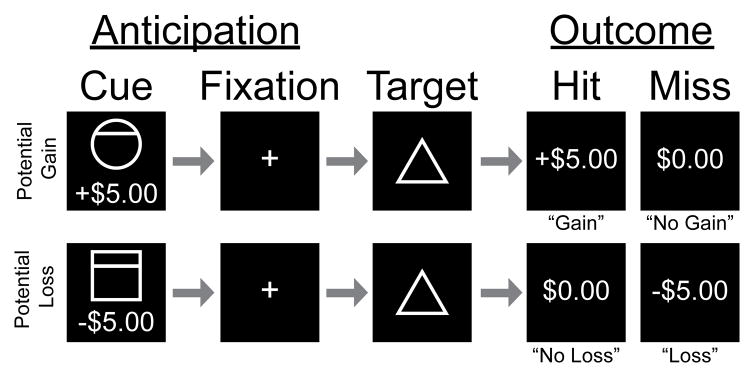
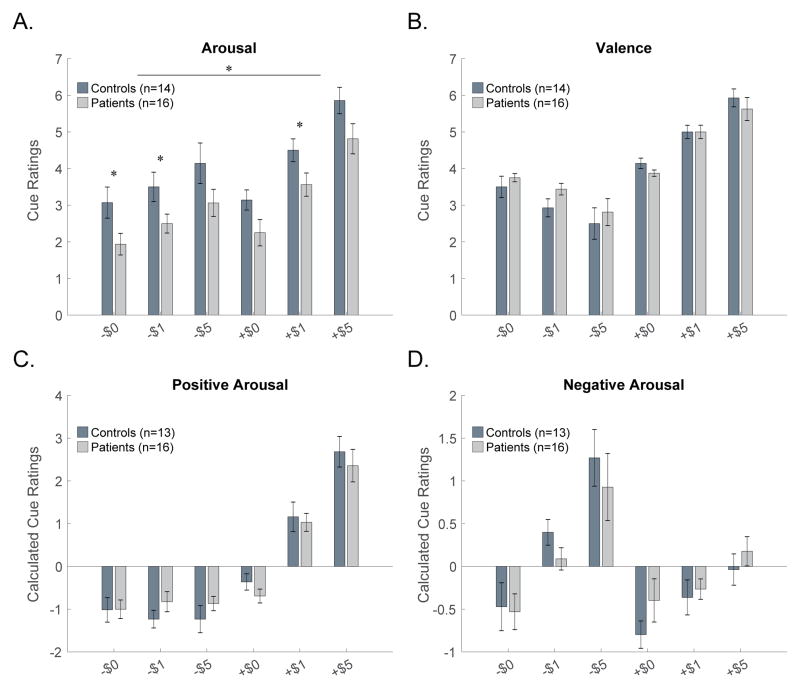
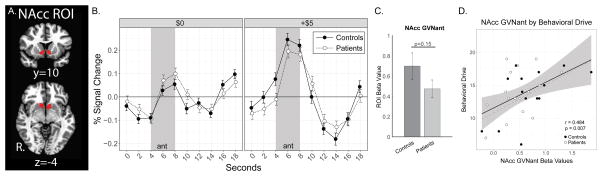
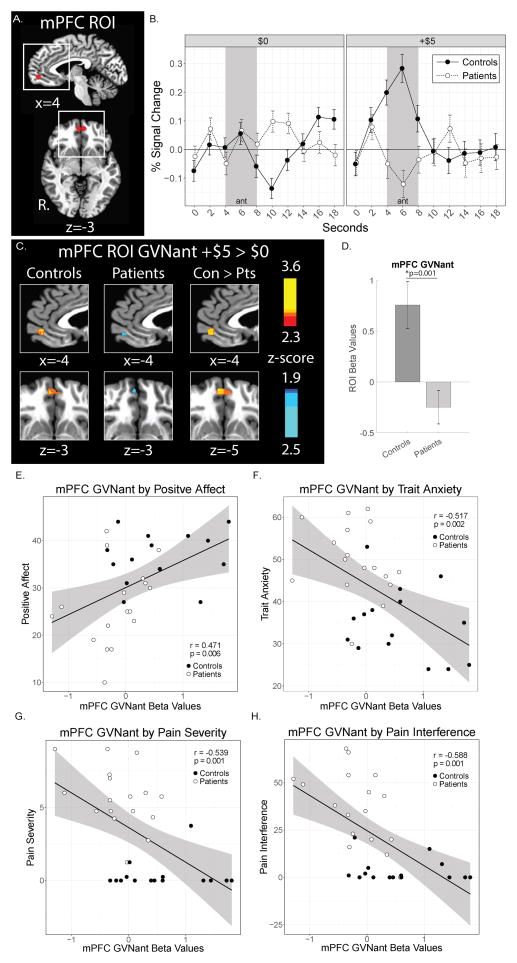
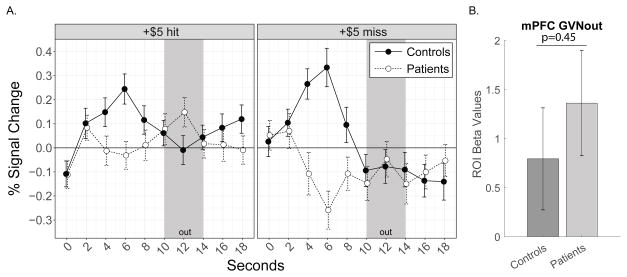
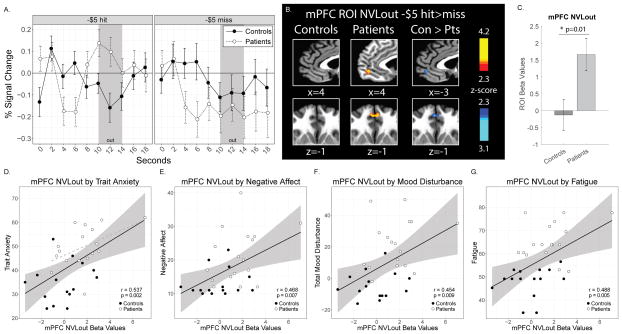
Chronic pain may alter both affect- and value-related behaviors, which represents a potentially treatable aspect of chronic pain experience. Current understanding of how chronic pain influences the function of brain reward systems, however, is limited. Using a monetary incentive delay task and functional magnetic resonance imaging (fMRI), we measured neural correlates of reward anticipation and outcomes in female participants with the chronic pain condition of fibromyalgia (N = 17) and age-matched, pain-free, female controls (N = 15). We hypothesized that patients would demonstrate lower positive arousal, as well as altered reward anticipation and outcome activity within corticostriatal circuits implicated in reward processing. Patients demonstrated lower arousal ratings as compared with controls, but no group differences were observed for valence, positive arousal, or negative arousal ratings. Group fMRI analyses were conducted to determine predetermined region of interest, nucleus accumbens (NAcc) and medial prefrontal cortex (mPFC), responses to potential gains, potential losses, reward outcomes, and punishment outcomes. Compared with controls, patients demonstrated similar, although slightly reduced, NAcc activity during gain anticipation. Conversely, patients demonstrated dramatically reduced mPFC activity during gain anticipation-possibly related to lower estimated reward probabilities. Further, patients demonstrated normal mPFC activity to reward outcomes, but dramatically heightened mPFC activity to no-loss (nonpunishment) outcomes. In parallel to NAcc and mPFC responses, patients demonstrated slightly reduced activity during reward anticipation in other brain regions, which included the ventral tegmental area, anterior cingulate cortex, and anterior insular cortex. Together, these results implicate altered corticostriatal processing of monetary rewards in chronic pain.
Conflict of interest statement
Conflict of Interest Statement:
Other than the cited funding sources, the authors have no financial interests to disclose.
Figures
References
-
- Apkarian AV, Sosa Y, Krauss BR, Thomas PS, Fredrickson BE, Levy RE, Harden RN, Chialvo DR. Chronic pain patients are impaired on an emotional decision-making task. Pain. 2004;108:129–136. - PubMed
MeSH terms
Grants and funding
LinkOut - more resources
Full Text Sources
Other Literature Sources
Medical
