


KLF10 as a Tumor Suppressor Gene and Its TGF-β Signaling
- PMID: 29799499
- PMCID: PMC6025274
- DOI: 10.3390/cancers10060161
KLF10 as a Tumor Suppressor Gene and Its TGF-β Signaling
Abstract
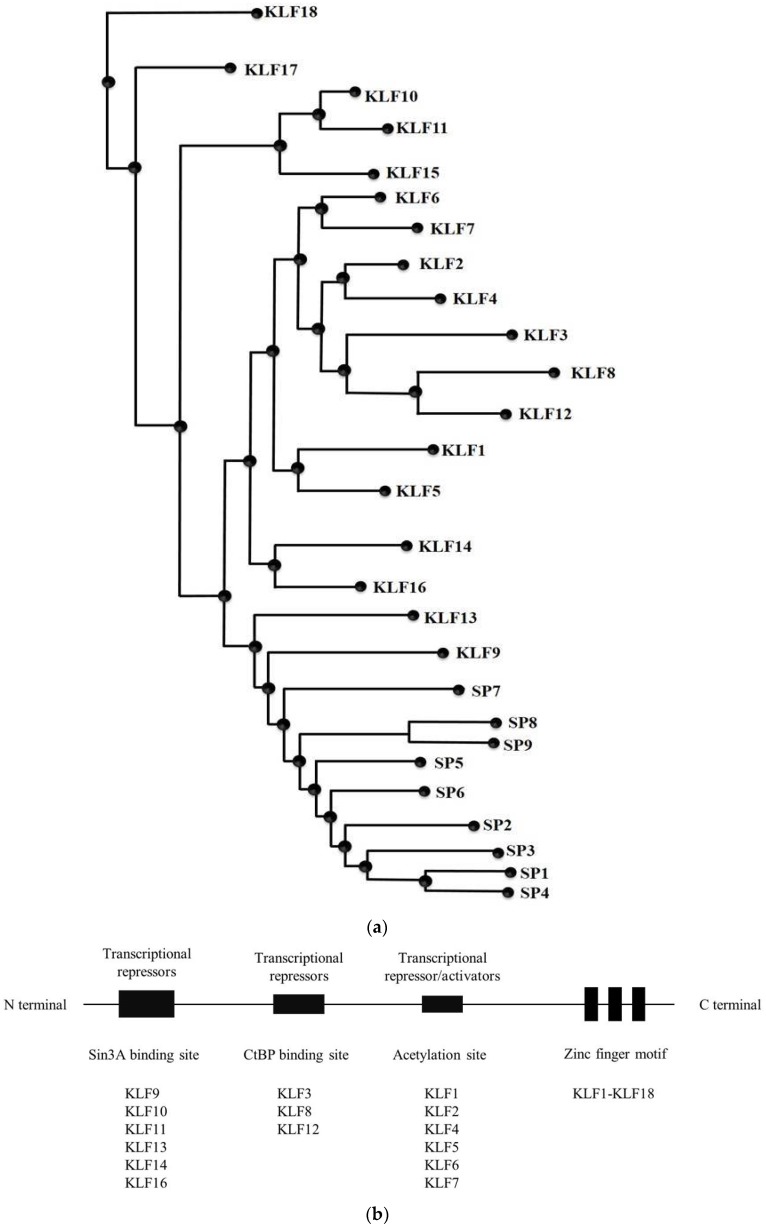
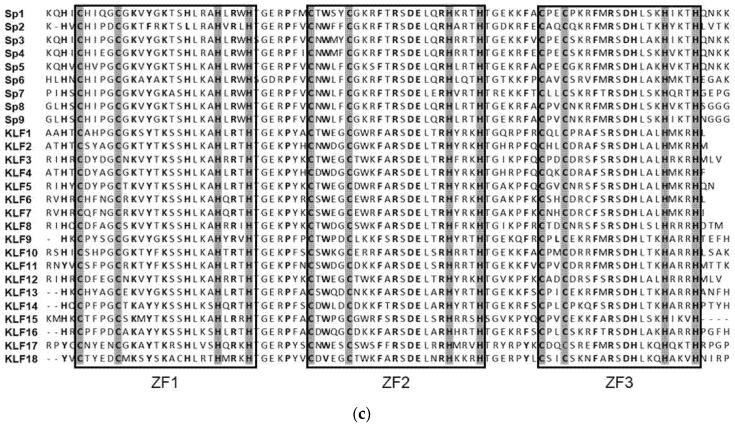
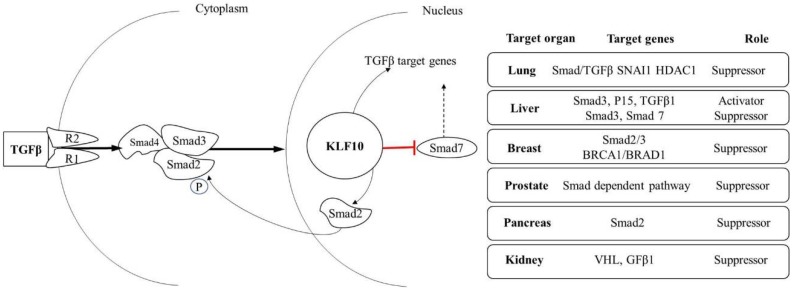
Krüppel-like factor 10 (KLF10), originally named TGF-β (Transforming growth factor beta) inducible early gene 1 (TIEG1), is a DNA-binding transcriptional regulator containing a triple C2H2 zinc finger domain. By binding to Sp1 (specificity protein 1) sites on the DNA and interactions with other regulatory transcription factors, KLF10 encourages and suppresses the expression of multiple genes in many cell types. Many studies have investigated its signaling cascade, but other than the TGF-β/Smad signaling pathway, these are still not clear. KLF10 plays a role in proliferation, differentiation as well as apoptosis, just like other members of the SP (specificity proteins)/KLF (Krüppel-like Factors). Recently, several studies reported that KLF10 KO (Knock out) is associated with defects in cell and organs such as osteopenia, abnormal tendon or cardiac hypertrophy. Since KLF10 was first discovered, several studies have defined its role in cancer as a tumor suppressor. KLF10 demonstrate anti-proliferative effects and induce apoptosis in various carcinoma cells including pancreatic cancer, leukemia, and osteoporosis. Collectively, these data indicate that KLF10 plays a significant role in various biological processes and diseases, but its role in cancer is still unclear. Therefore, this review was conducted to describe and discuss the role and function of KLF10 in diseases, including cancer, with a special emphasis on its signaling with TGF-β.
Keywords: KLF10; TGF-β; cancer; disease; tumor suppressor.
Conflict of interest statement
The authors declare no conflicts of interest.
Figures
References
Publication types
LinkOut - more resources
Full Text Sources
Other Literature Sources
Research Materials
