


Medical Needling: Effect on Moisture and Transepidermal Water Loss of Mature Hypertrophic Burn Scars
- PMID: 29805934
- PMCID: PMC5969801
- DOI: 10.7759/cureus.2365
Medical Needling: Effect on Moisture and Transepidermal Water Loss of Mature Hypertrophic Burn Scars
Abstract
Background: Burn scars remain a serious psychological and physiological problem for affected people. Clinical studies and scientific research have already shown that medical needling improves the scar quality in terms of skin elasticity and erythema. At the same time, patients are confronted with a low-risk therapy and face comparatively less postoperative complications.
Objective: The goal of our study was to examine the influence of medical needling on the skin moisture and transepidermal water loss (TEWL) of hypertrophic dry scars. Therefore, 20 patients, of an average age of 34.63 years, with deep second- and third-degree burn scars have been treated.
Methods: Medical needling is performed using a roller covered with needles of 3-mm length. The needling device is rolled over the scar in three directions: vertically, horizontally, and diagonally in order to create as many puncture channels as possible. The puncturing leads to multiple micro-wounds and intradermal bleeding, which evokes the post-needling regeneration cascade. The patients were followed up for 12 months postoperatively. The results have been evaluated by means of objective as well as subjective measurement methods.
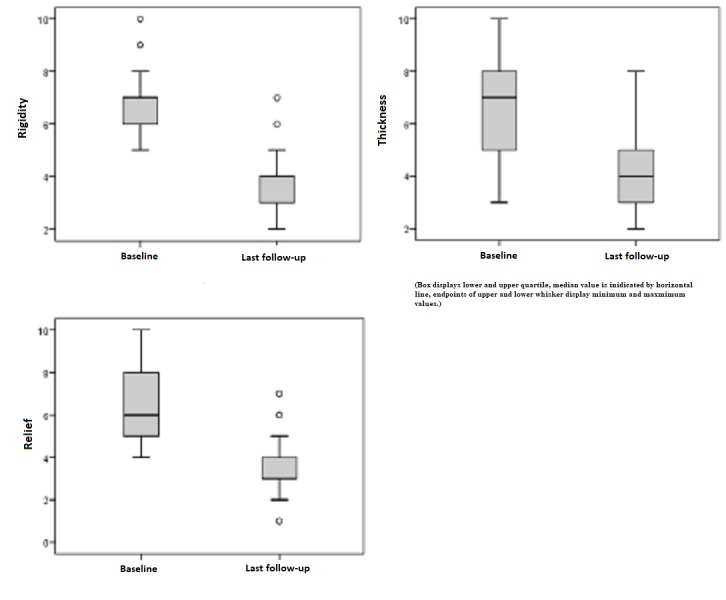
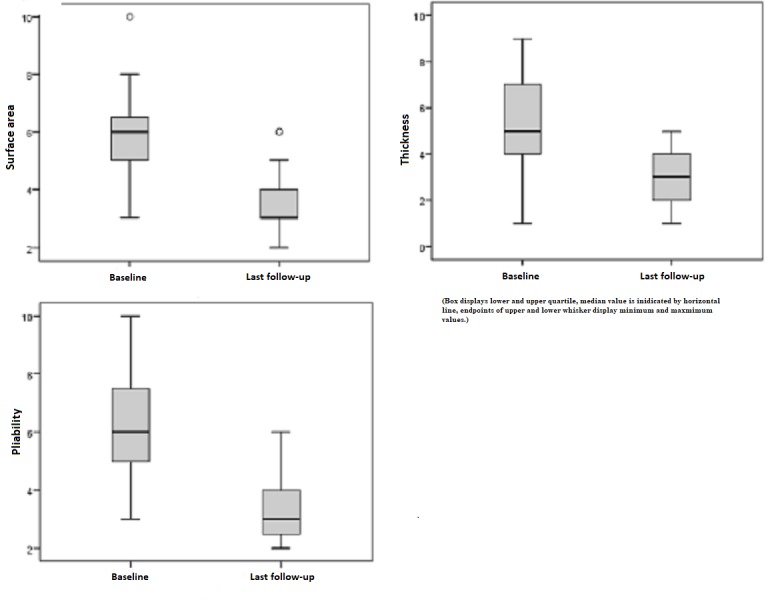
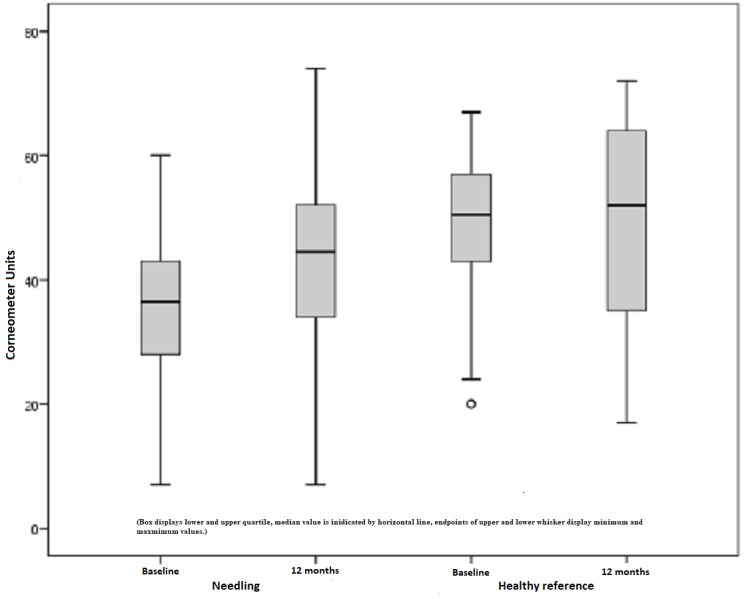
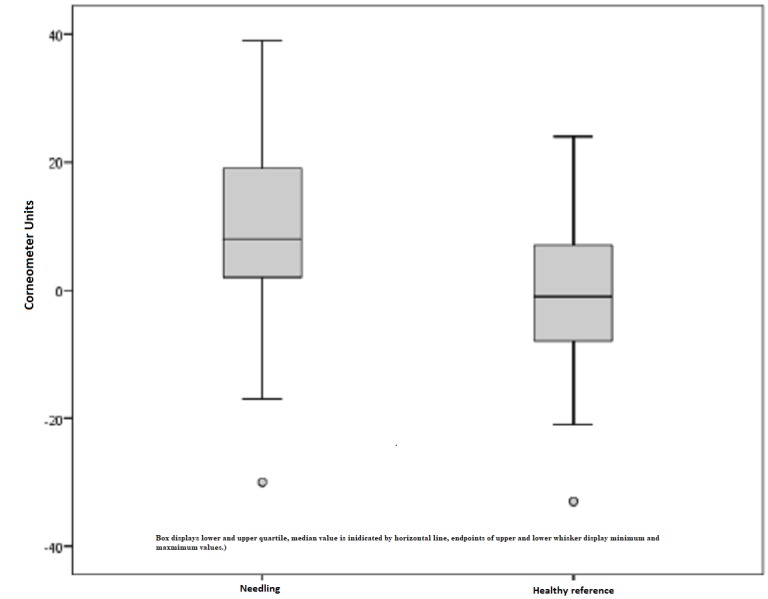
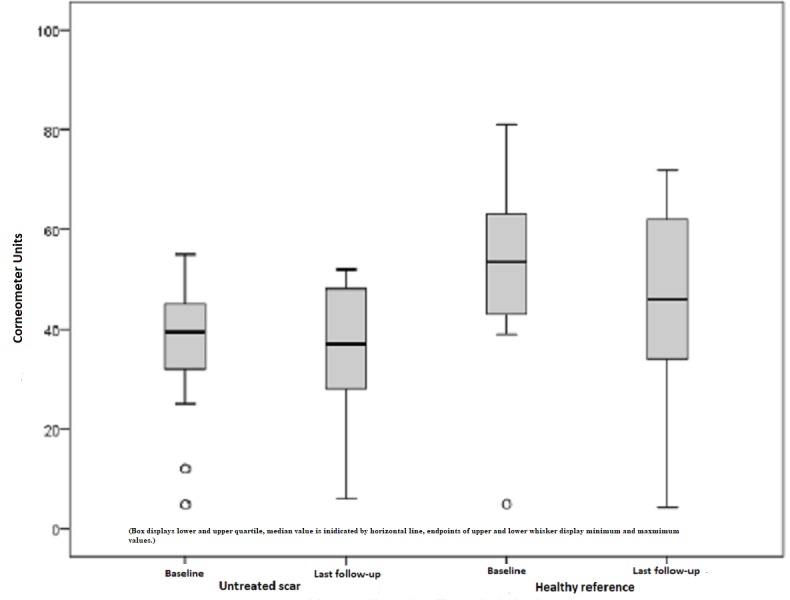
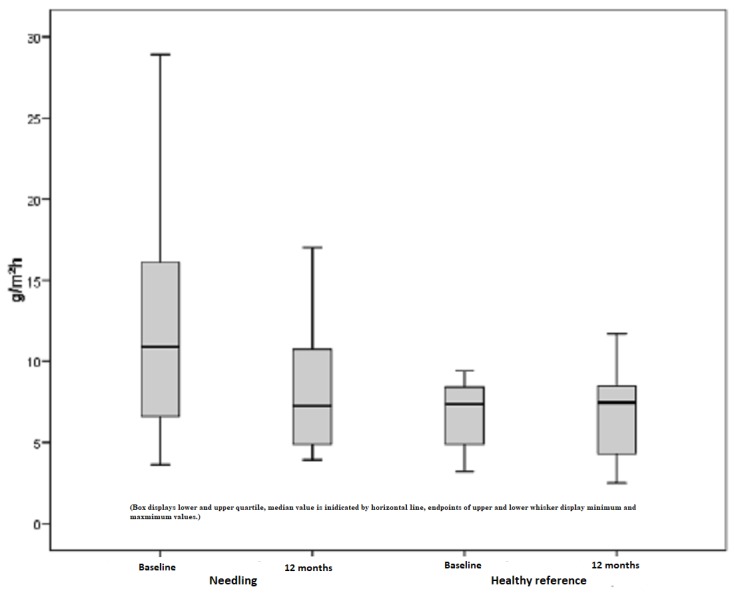
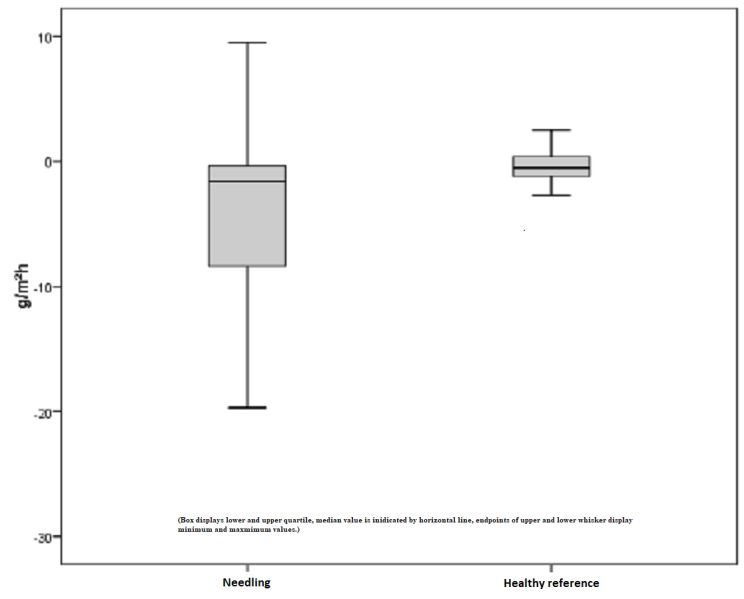
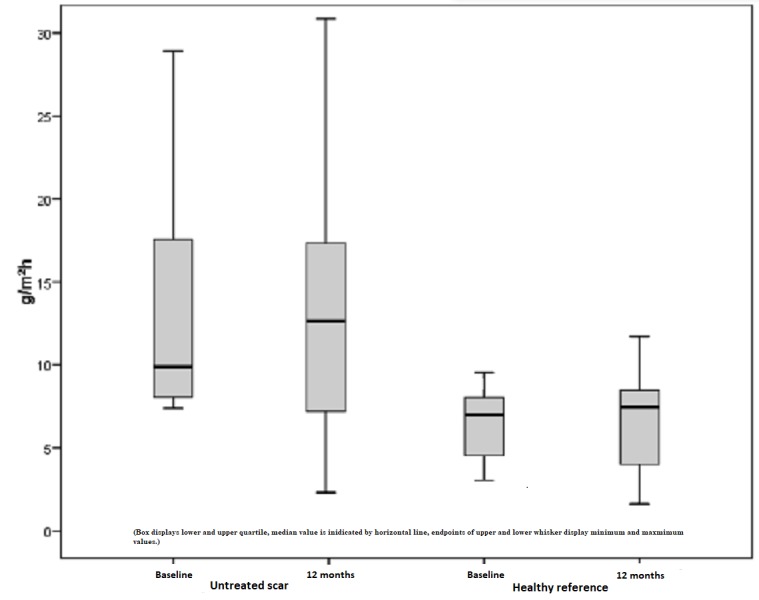
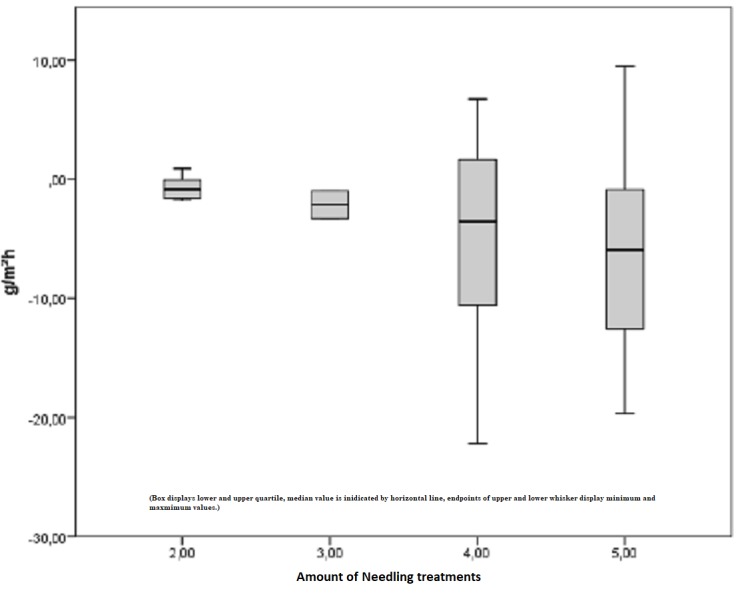
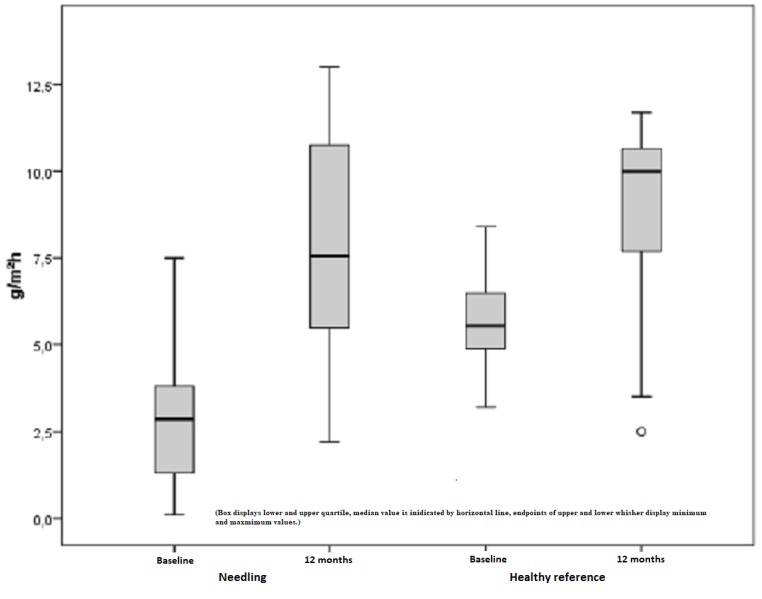
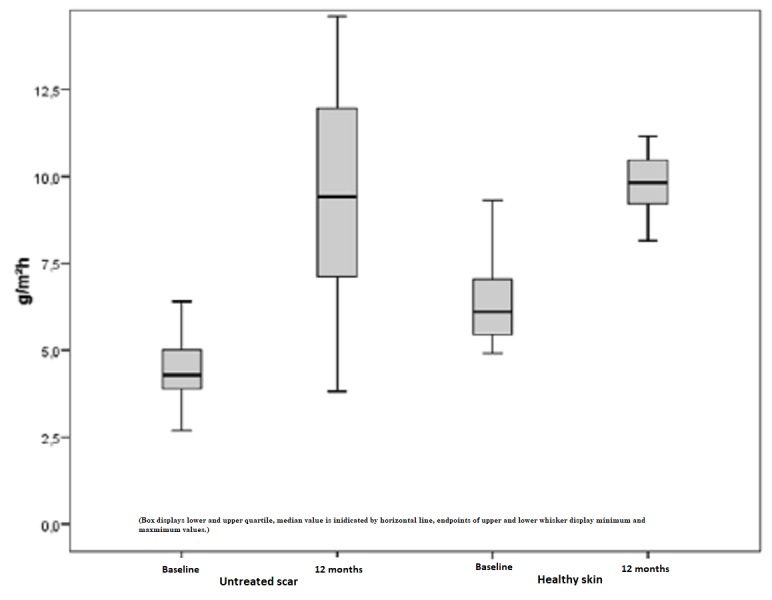
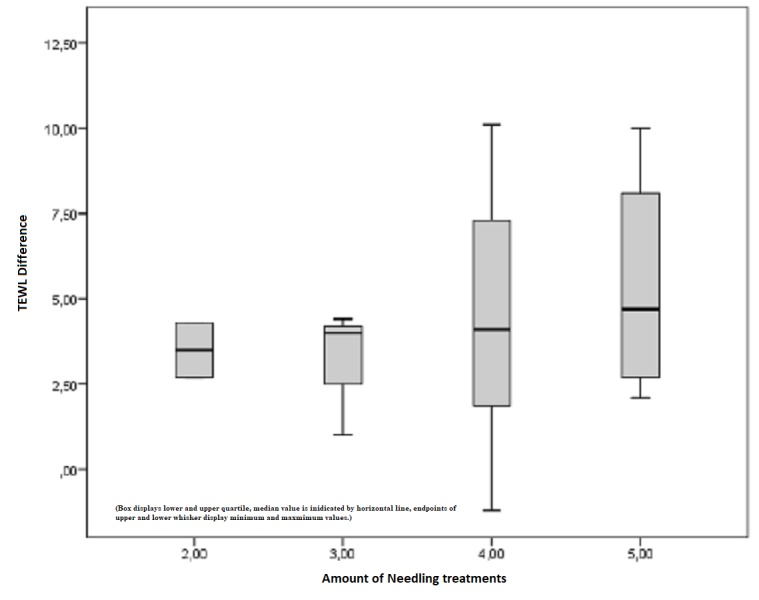
Results: The objective measures show that medical needling influences epidermal thickness and improves the epidermal barrier function at a molecular level. Outcomes are marked by a measurable increase in skin moisture and a reduction in TEWL.
Conclusion: Medical needling seems to be a promising approach for the treatment of mature hypertrophic burn scars with a focus on skin moisture and TEWL.
Keywords: barrier function; hydration; low-risk therapy; minimal invasive technique; moisture; transepidermal water loss.
Conflict of interest statement
The authors have declared that no competing interests exist.
Figures

References
-
- Epidemiology of burns throughout the world. Part II: Intentional burns in adults. Peck MD. Burns. 2012;38:630–637. - PubMed
-
- The problem scar. Su CW, Alizadeh K, Boddie A, Lee RC. https://www.ncbi.nlm.nih.gov/pubmed/9696905. Clin Plast Surg. 1998;25:451–465. - PubMed
-
- Update on pruritic mechanisms of hypertrophic scars in postburn patients: the potential role of opioids and their receptors. Cheng B, Liu HW, Fu XB. J Burn Care Res. 2011;32:118–125. - PubMed
-
- Number of cell layers of the stratum corneum in normal skin - relationship to the anatomical location on the body, age, sex and physical parameters. Ya-Xian Z, Suetake T, Tagami H. https://www.ncbi.nlm.nih.gov/pubmed/10552214. Arch Dermatol Res. 1999;291:555–559. - PubMed
-
- Reliability of repeated measurements on post-burn scars with Corneometer CM 825®. Anthonissen M, Daly D, Peeters R, et al. Skin Res Technol. 2015;21:302–312. - PubMed
LinkOut - more resources
Full Text Sources
Other Literature Sources