


Clinical Importance of Epstein⁻Barr Virus-Associated Gastric Cancer
- PMID: 29843478
- PMCID: PMC6024931
- DOI: 10.3390/cancers10060167
Clinical Importance of Epstein⁻Barr Virus-Associated Gastric Cancer
Abstract
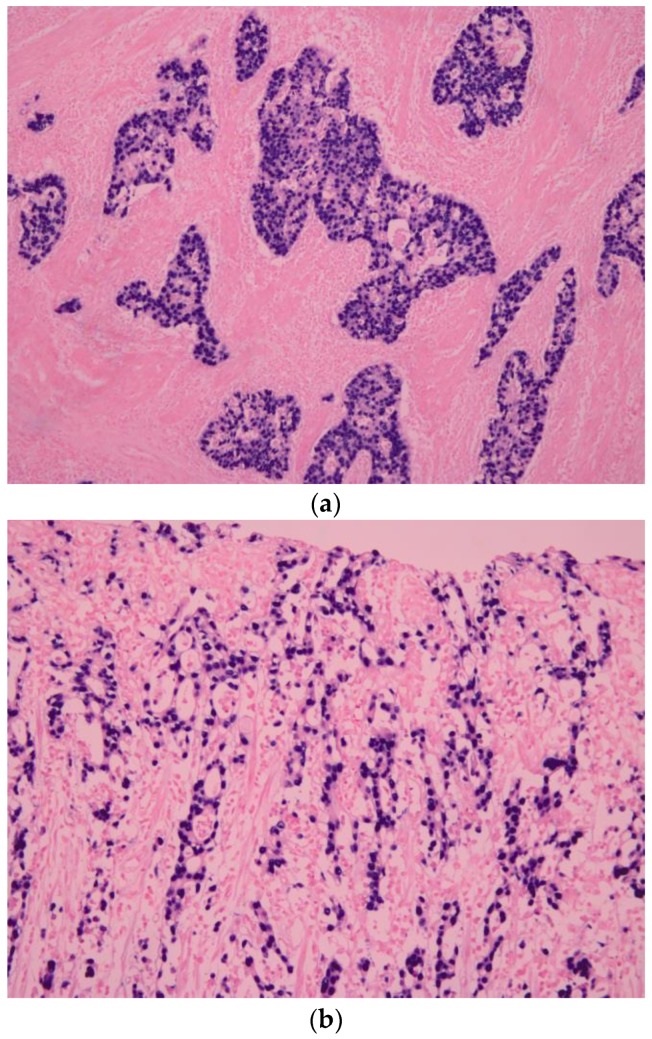
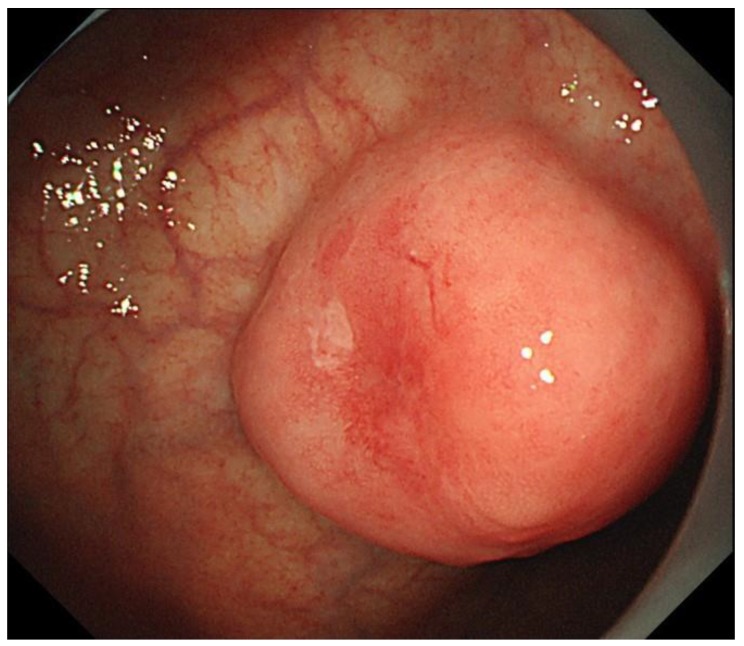
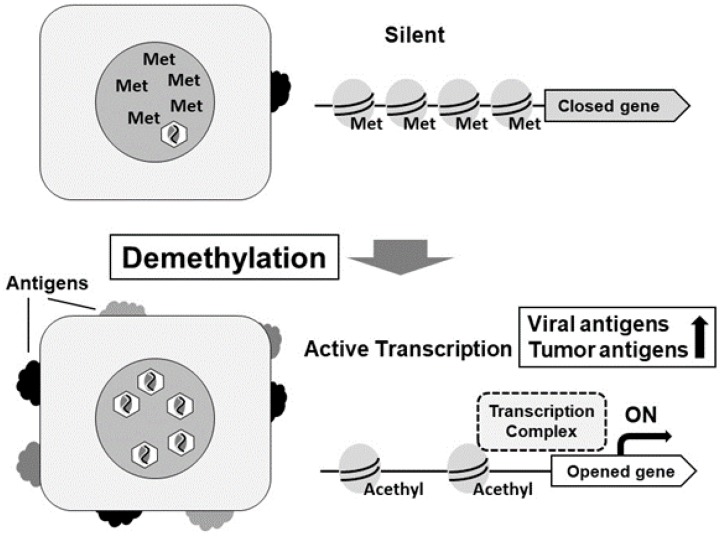
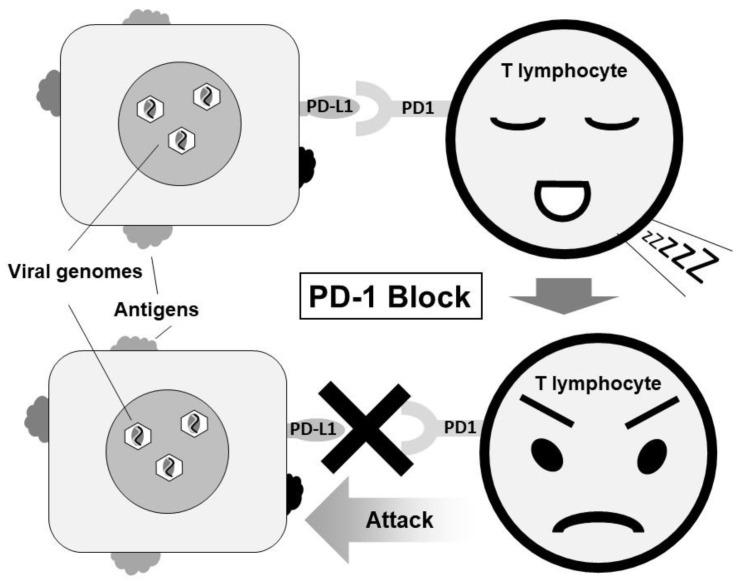
Epstein⁻Barr virus-associated gastric carcinoma (EBVaGC) is the most common malignancy caused by EBV infection. EBVaGC has definite histological characteristics similar to gastric carcinoma with lymphoid stroma. Clinically, EBVaGC has a significantly low frequency of lymph node metastasis compared with EBV-negative gastric cancer, resulting in a better prognosis. The Cancer Genome Atlas of gastric adenocarcinomas proposed a molecular classification divided into four molecular subtypes: (1) EBVaGC; (2) microsatellite instability; (3) chromosomal instability; and (4) genomically stable tumors. EBVaGC harbors a DNA methylation phenotype, PD-L1 and PD-L2 overexpression, and frequent alterations in the PIK3CA gene. We review clinical importance of EBVaGC and discuss novel therapeutic applications for EBVaGC.
Keywords: DNA methylation; Epstein–Barr virus; endoscopic mucosal resection (EMR); endoscopic submucosal dissection (ESD); gastric carcinoma; immune checkpoint inhibitor; programed cell death 1 (PD-1); programmed cell death ligand 1 (PD-L1).
Conflict of interest statement
The authors declare no financial or commercial conflicts of interest.
Figures
References
-
- Rickinson A.B., Kieff E. Epstein-Barr virus. In: Fields B.N., Knipe D.M., Howley P.M., editors. Fields Virology. 5th ed. Volume 2. Lippincott-Williams & Wilkins; Philadelphia, PA, USA: 2007. pp. 2655–2700.
Publication types
LinkOut - more resources
Full Text Sources
Other Literature Sources
Research Materials
Miscellaneous
