Review
. 2018 Oct;36(10):1457-1474.
doi: 10.1002/stem.2859. Epub 2018 Aug 27.

Concise Review: Prostate Cancer Stem Cells: Current Understanding

Affiliations
Review

Concise Review: Prostate Cancer Stem Cells: Current Understanding

Sergej Skvortsov et al. Stem Cells. 2018 Oct.

Abstract

Prostate cancer (PCa) is heterogeneous, harboring phenotypically diverse cancer cell types. PCa cell heterogeneity is caused by genomic instability that leads to the clonal competition and evolution of the cancer genome and by epigenetic mechanisms that result in subclonal cellular differentiation. The process of tumor cell differentiation is initiated from a population of prostate cancer stem cells (PCSCs) that possess many phenotypic and functional properties of normal stem cells. Since the initial reports on PCSCs in 2005, there has been much effort to elucidate their biological properties, including unique metabolic characteristics. In this Review, we discuss the current methods for PCSC enrichment and analysis, the hallmarks of PCSC metabolism, and the role of PCSCs in tumor progression. Stem Cells 2018;36:1457-1474.

Keywords: Cancer; Cancer stem cells; Heterogeneity; Metabolism; Prostate.


Figures

Figure 1.
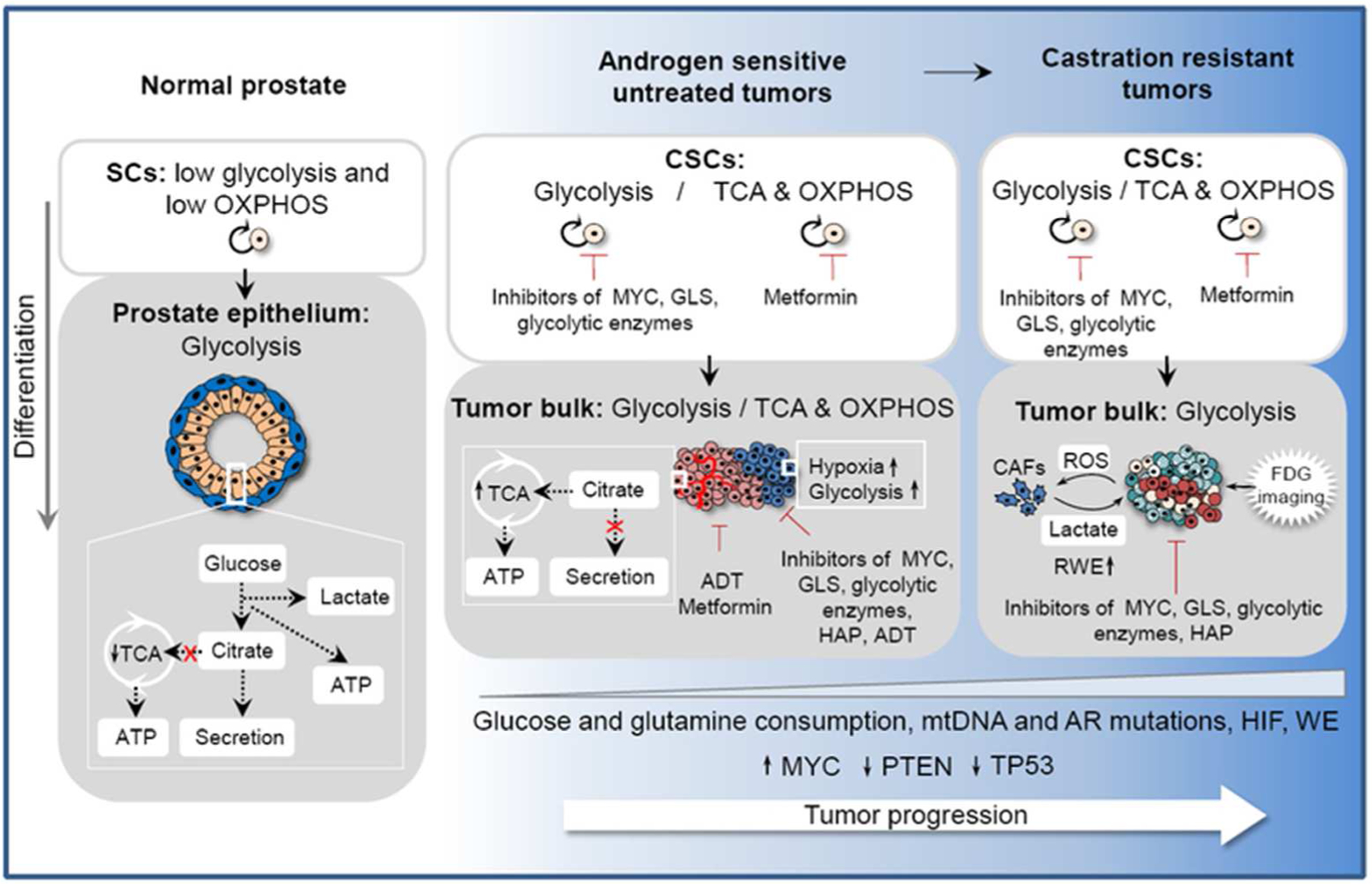
Figure 1.. Metabolism of normal and tumor prostate.
Normal prostate epithelial cells have a low level of TCA and glycolytic metabolism as a result of the impaired citrate oxidation. In contrast, prostate adenocarcinoma cells increase citrate oxidation and OXPHOS. This oxidative phenotype is controlled by AR signaling and can be affected by hypoxia. Mutations in mtDNA and tumor suppressor genes PTEN and TP53, which play a role in the metabolic shift from OXPHOS to aerobic glycolysis, can promote tumor progression. Metabolically active aggressive primary tumors and castration-resistant metastatic disease exhibit the Warburg effect and have a high level of nutrient consumption. ROS released by PCa induces oxidative stress in neighboring CAFs. In turn, CAFs secrete a high level of lactate which is utilized by PCa cells for ATP production via OXPHOS. The glycolytic features of advanced PCa can be used for clinical imaging by using positron emission tomography (PET) for glucose uptake imaging with FDG. Beside glucose, highly proliferative cancer cells require additional supplies for their biosynthesis that cannot be met by glucose consumption such as glutamine. Metabolic features of PCa can be potentially used for anti-cancer therapy to increase efficiency of conventional treatment such as chemo- or radiotherapy. TCA - tricarboxylic acid cycle; AR - androgen receptor; OXPHOS - oxidative phosphorylation; mtDNA - mitochondrial DNA; FDG - Fluoro-2-deoxyglucose; RWE - reverse Warburg effect; CAFs - cancer associated fibroblasts; ROS - reactive oxygen species; ADT - androgen deprivation therapy; HADs - hypoxia activated drugs; CAFs - cancer associated fibroblasts; WE - Warburg effect; HIF - hypoxia inducible factor signaling.
Figure 2.
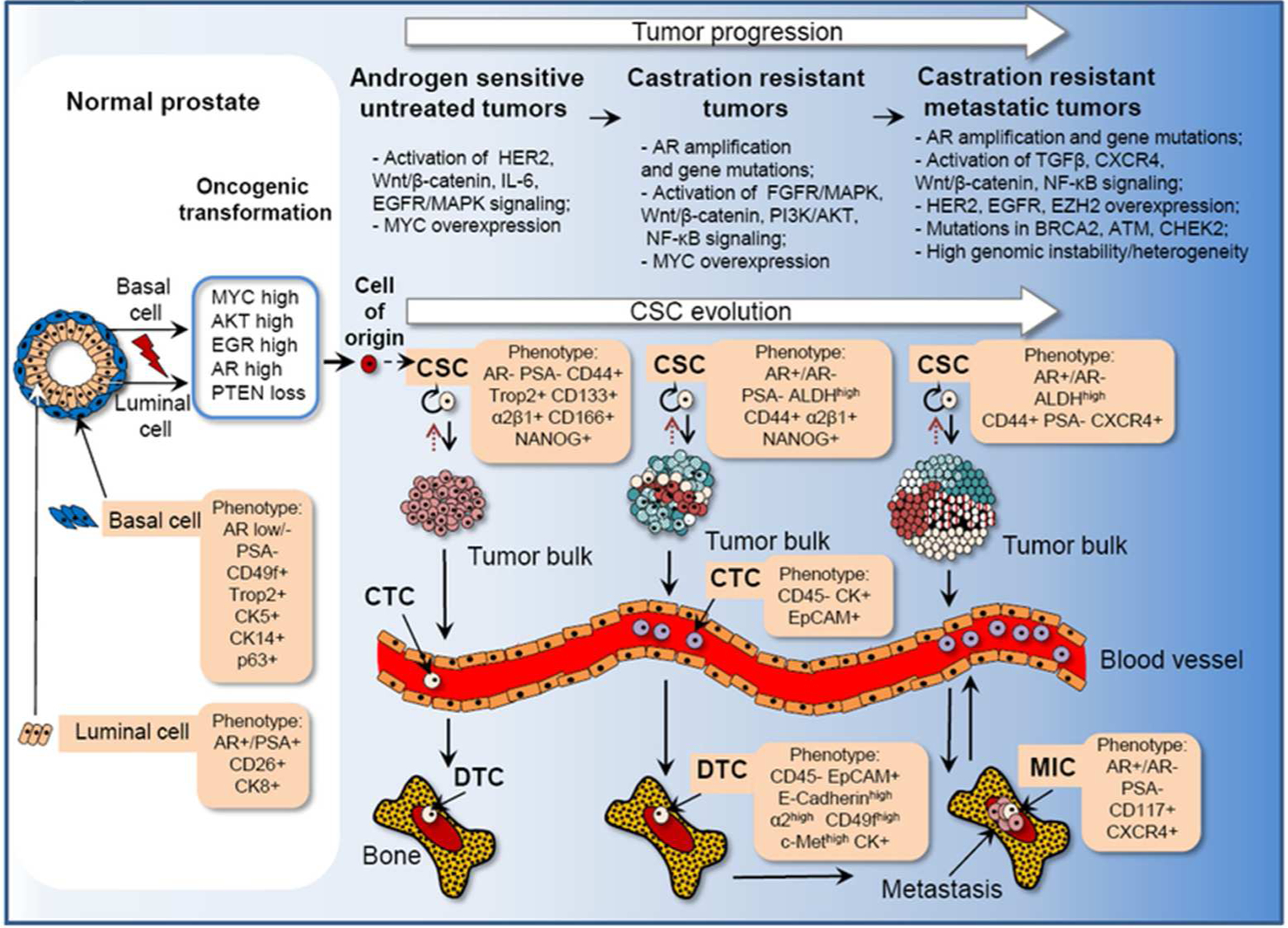
Figure 2.. Phenotypes of CSCs, DTCs, MICs and prostate tumor progression.
Prostate cancer development is an evolutionary process that reflects an evolving of CSCs. Luminal or basal cells in normal prostate can act as a cell of tumor origin after oncogenic transformation. The link between the tumor initiating cells, or tumor cell-of-origin and cancer stem cells (CSCs) that maintain tumor growth is not yet understood. Cancer cell-of-origin refers to the initial normal cell or the cell type that became tumorigenically transformed whereas CSCs refer to the cell population that drives clonal tumor evolution. Tumor metastases are driven by the evolved populations of CSCs at their worst. Some tumor cells with malignant potential enter the blood stream (circulating tumor cells, CTCs) and can be disseminated to the distant organs. Single prostate tumor cells can be found in bone marrow and are called disseminated tumor cells (DTCs). Single tumor cells disseminated to lymph nodes are called isolated tumor cells (ITCs, not shown). A small subset of DTCs or ITCs could give rise to metastasis - initiating cells (MICs). Metastatic spread and formation is a long-time process that might take a few years. Once developed, metastases can form secondary metastasis to distant organs. Prostate cancer progression is associated with development of substantial intra-tumor heterogeneity and genomic instability that can be induced by MYC activation, loss of PTEN and mutations in DNA repair genes including BRCA2, ATM and CHEK2. A few PCSC phenotypes have been validated so far in animal models for their tumor initiating properties e.g. PSA−/lo, ALDHhigh, NANOG+, Trop2+, CD44+CD133+, ALDHhighCD44+α2β1+. Although some of the proposed biomarkers (e.g. EpCAM, CD117, c-Met) have been correlated with prostate cancer progression and metastases, there is still a lack of solid experimental evidences that these proteins can be considered as markers of PCSCs. Acronyms: AR - androgen receptor; CK - cytokeratin; PSA - prostate specific antigen; ALDH - aldehyde dehydrogenase; ABCG2 - ATP binding cassette subfamily G member 2; α2β1 - α2β1 Integrin; ERG1 - early growth response protein 1; PTEN - phosphatase and tensin homolog; EpCAM - epithelial cell adhesion molecule; HER2 - human epidermal growth factor receptor 2; FGF - fibroblast growth factor; MAPK - mitogen-activated protein kinase; PI3K - phosphatidylinositide 3-kinase; NF-κB - nuclear factor ‘kappa-light-chain-enhancer’ of activated B-cells; TGFβ - transforming growth factor β; EGFR - epidermal growth factor receptor; CXCR4 - C-X-C chemokine receptor type 4; EZH2 - enhancer of zeste homolog 2; BRCA2 - breast cancer type 2 susceptibility protein; ATM - ataxia telangiectasia mutated; CHEK2 - checkpoint kinase 2.

References

    1. Kreso A, Dick JE. Evolution of the cancer stem cell model. Cell stem cell. 2014;14(3):275–91. - PubMed
    1. Rycaj K, Tang DG. Cell-of-Origin of Cancer versus Cancer Stem Cells: Assays and Interpretations. Cancer research. 2015;75(19):4003–11. - PMC - PubMed
    1. Qin J, Liu X, Laffin B, Chen X, Choy G, Jeter CR, et al. The PSA(−/lo) prostate cancer cell population harbors self-renewing long-term tumor-propagating cells that resist castration. Cell stem cell. 2012;10(5):556–69. - PMC - PubMed
    1. Collins AT, Berry PA, Hyde C, Stower MJ, Maitland NJ. Prospective identification of tumorigenic prostate cancer stem cells. Cancer research. 2005;65(23):10946–51. - PubMed
    1. Huss WJ, Gray DR, Greenberg NM, Mohler JL, Smith GJ. Breast cancer resistance protein-mediated efflux of androgen in putative benign and malignant prostate stem cells. Cancer research. 2005;65(15):6640–50. - PubMed

Publication types