


Beclin-1-Dependent Autophagy Protects the Heart During Sepsis
- PMID: 29853517
- PMCID: PMC6274625
- DOI: 10.1161/CIRCULATIONAHA.117.032821
Beclin-1-Dependent Autophagy Protects the Heart During Sepsis
Abstract
Background: Cardiac dysfunction is a major component of sepsis-induced multiorgan failure in critical care units. Changes in cardiac autophagy and its role during sepsis pathogenesis have not been clearly defined. Targeted autophagy-based therapeutic approaches for sepsis are not yet developed.
Methods: Beclin-1-dependent autophagy in the heart during sepsis and the potential therapeutic benefit of targeting this pathway were investigated in a mouse model of lipopolysaccharide (LPS)-induced sepsis.
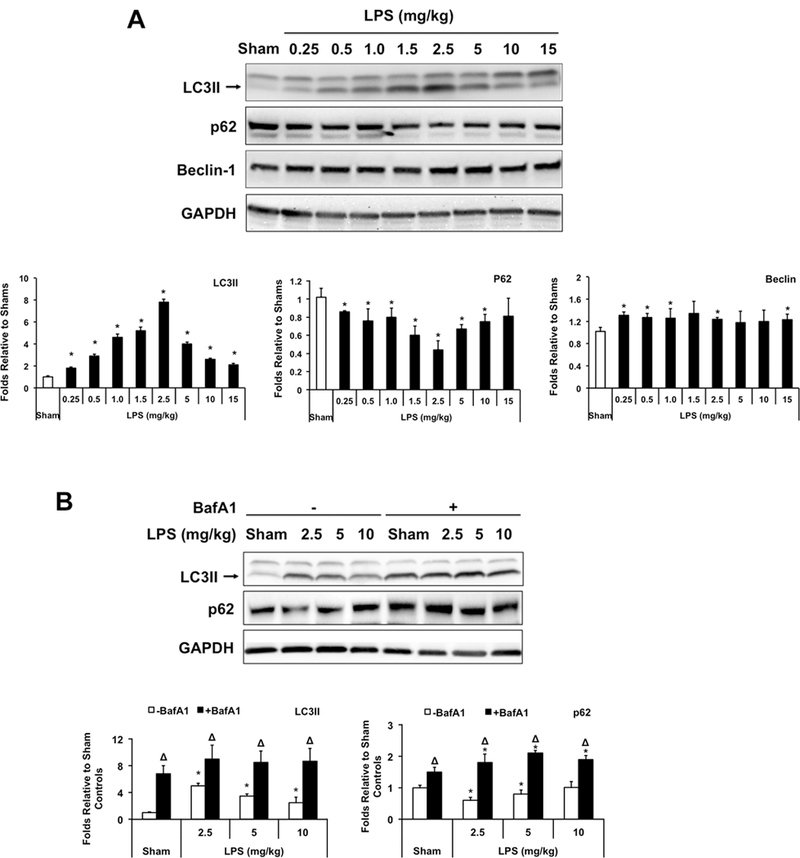
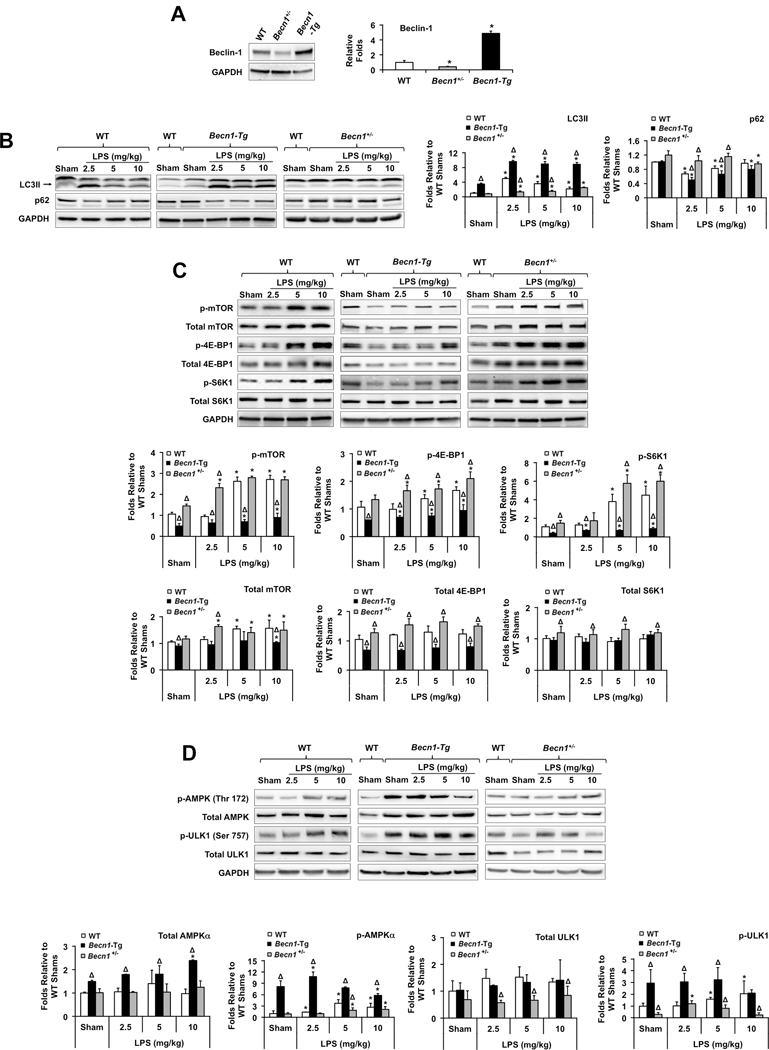
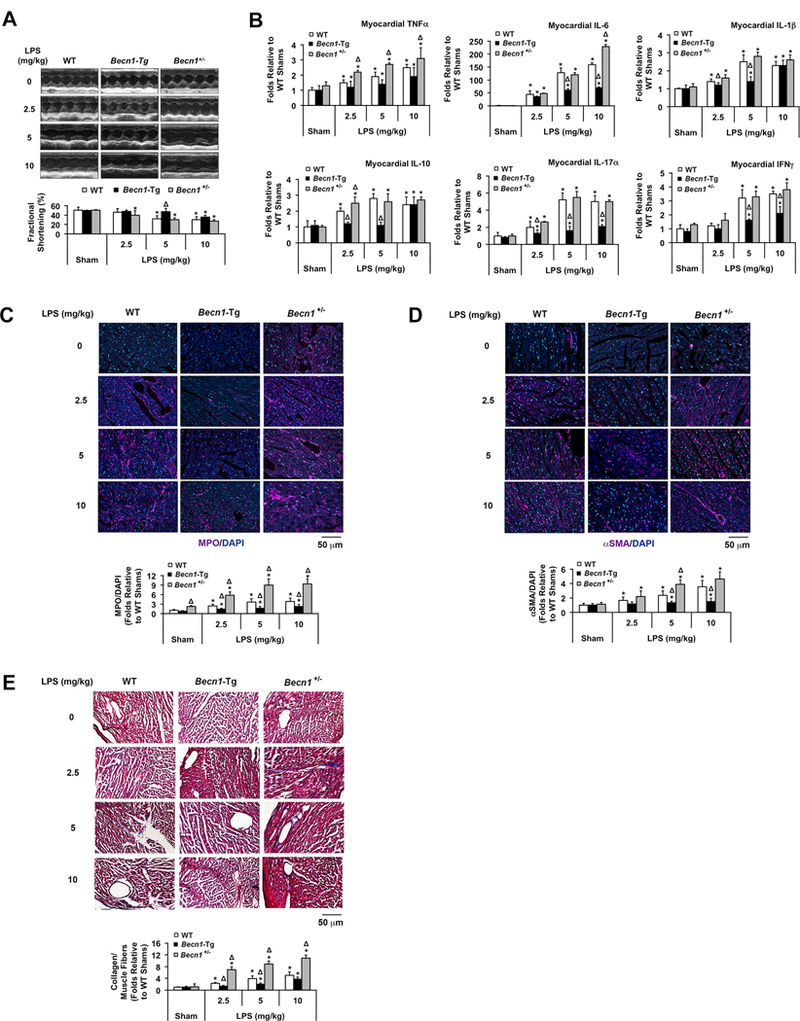
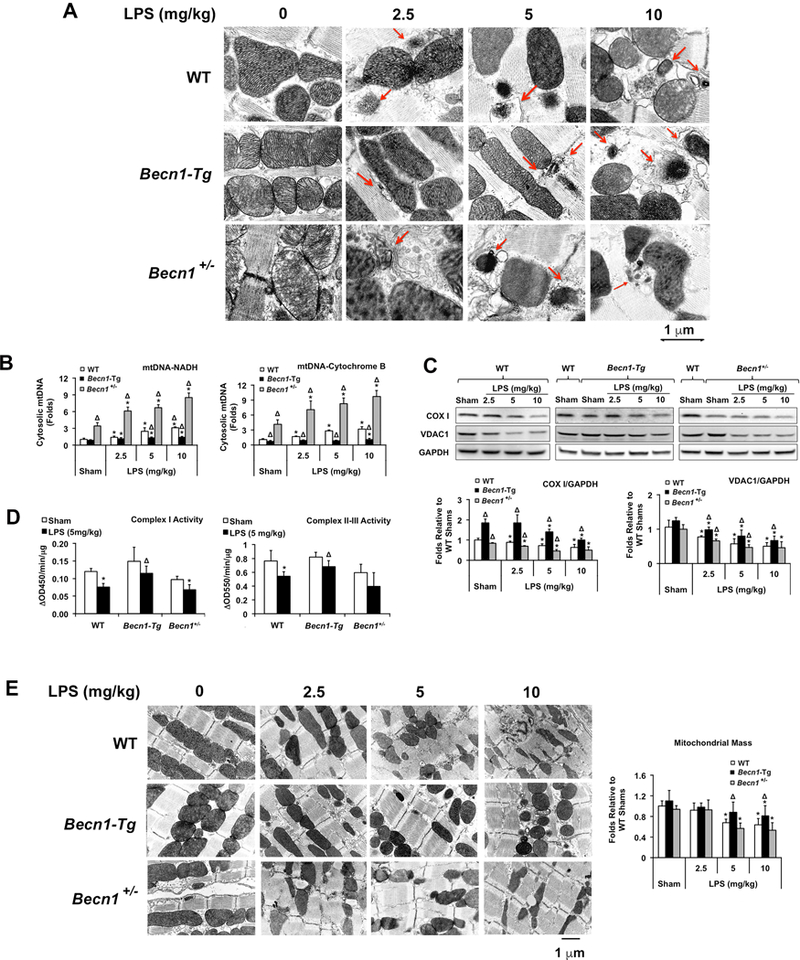
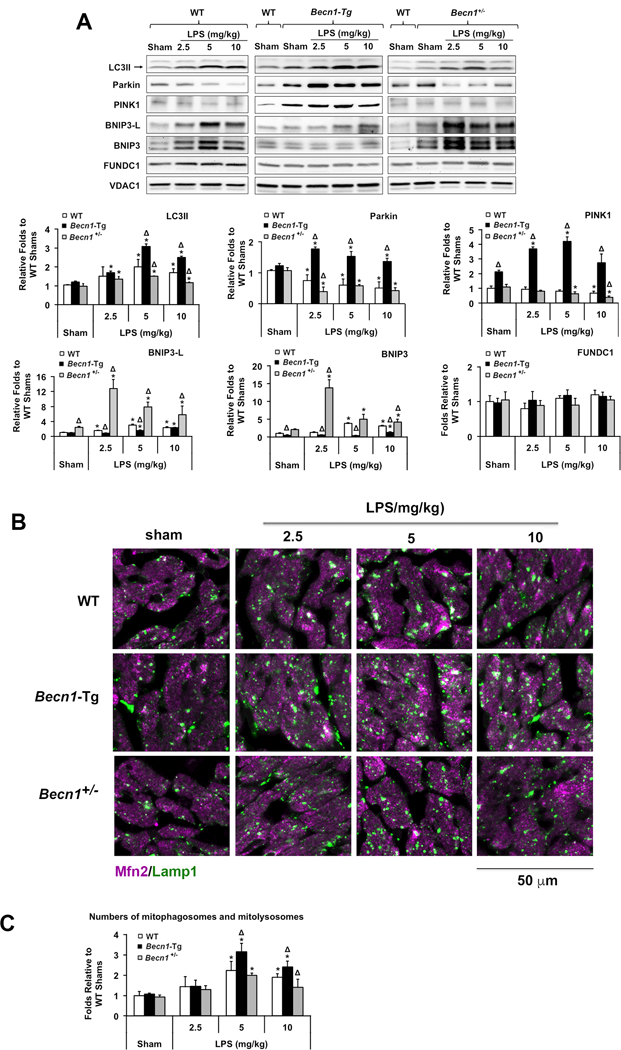
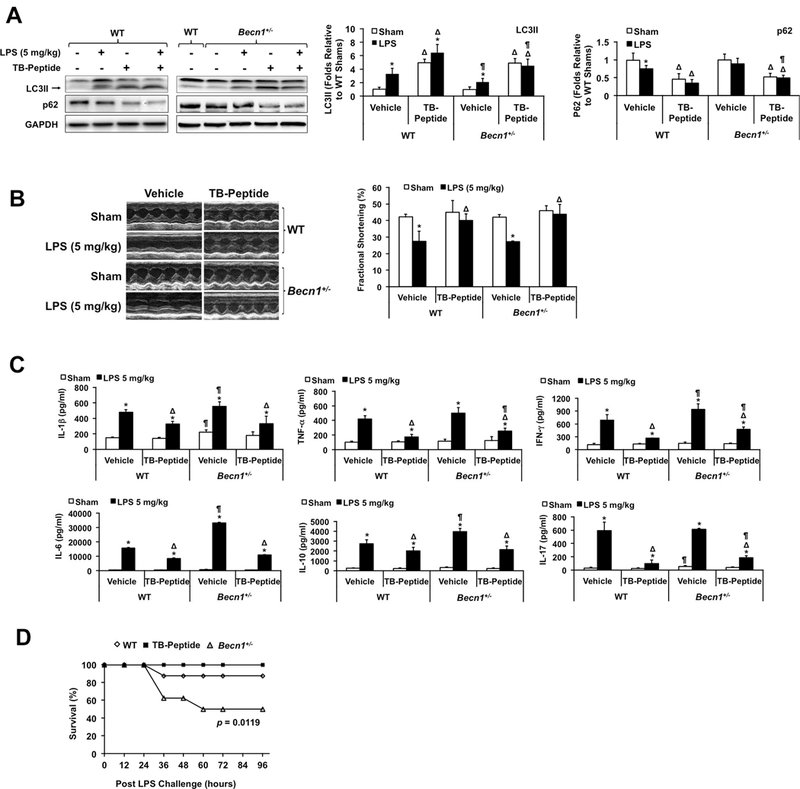
Results: LPS induced a dose-dependent increase in autophagy at low doses, followed by a decline that was in conjunction with mammalian target of rapamycin activation at high doses. Cardiac-specific overexpression of Beclin-1 promoted autophagy, suppressed mammalian target of rapamycin signaling, improved cardiac function, and alleviated inflammation and fibrosis after LPS challenge. Haplosufficiency for beclin 1 resulted in opposite effects. Beclin-1 also protected mitochondria, reduced the release of mitochondrial danger-associated molecular patterns, and promoted mitophagy via PTEN-induced putative kinase 1-Parkin but not adaptor proteins in response to LPS. Injection of a cell-permeable Tat-Beclin-1 peptide to activate autophagy improved cardiac function, attenuated inflammation, and rescued the phenotypes caused by beclin 1 deficiency in LPS-challenged mice.
Conclusions: These results suggest that Beclin-1 protects the heart during sepsis and that the targeted induction of Beclin-1 signaling may have important therapeutic potential.
Keywords: Beclin-1; autophagy; heart failure; mitochondrial degradation; sepsis.
Figures
Comment in
-
Cardioprotective effects of autophagy induction in sepsis.Ann Transl Med. 2018 Nov;6(Suppl 1):S61. doi: 10.21037/atm.2018.10.23. Ann Transl Med. 2018. PMID: 30613636 Free PMC article. No abstract available.
References
-
- Angus DC, Pereira CA and Silva E. Epidemiology of severe sepsis around the world. Endocr Metab Immune Disord Drug Targets. 2006;6:207–212. - PubMed
-
- Zanotti-Cavazzoni SL and Hollenberg SM. Cardiac dysfunction in severe sepsis and septic shock. Curr Opin Crit Care. 2009;15:392–397. - PubMed
-
- Kayar SR and Banchero N. Volume density and distribution of mitochondria in myocardial growth and hypertrophy. Respir Physiol. 1987;70:275–286. - PubMed
-
- Zang QS, Sadek H, Maass DL, Martinez B, Ma L, Kilgore JA, Williams NS, Frantz DE, Wigginton JG, Nwariaku FE, Wolf SE and Minei JP. Specific inhibition of mitochondrial oxidative stress suppresses inflammation and improves cardiac function in a rat pneumonia-related sepsis model. Am J Physiol Heart Circ Physiol. 2012;302:H1847–H1859. - PubMed
Publication types
MeSH terms
Substances
Grants and funding
- P 24381/FWF_/Austrian Science Fund FWF/Austria
- R01 HL097768/HL/NHLBI NIH HHS/United States
- R01 HL102478/HL/NHLBI NIH HHS/United States
- R01 HL109471/HL/NHLBI NIH HHS/United States
- I 3301/FWF_/Austrian Science Fund FWF/Austria
- P 29203/FWF_/Austrian Science Fund FWF/Austria
- R01 CA215063/CA/NCI NIH HHS/United States
- P 27637/FWF_/Austrian Science Fund FWF/Austria
- P 23490/FWF_/Austrian Science Fund FWF/Austria
- P 29262/FWF_/Austrian Science Fund FWF/Austria
- R01 GM115473/GM/NIGMS NIH HHS/United States
- R01 GM111295/GM/NIGMS NIH HHS/United States
LinkOut - more resources
Full Text Sources
Other Literature Sources
Medical
Molecular Biology Databases
Research Materials
