


Assessment of the antioxidant and antimutagenic activity of extracts from goji berry of Greek cultivation
- PMID: 29854596
- PMCID: PMC5977381
- DOI: 10.1016/j.toxrep.2018.02.001
Assessment of the antioxidant and antimutagenic activity of extracts from goji berry of Greek cultivation
Erratum in
-
Erratum regarding missing Declaration of Competing Interest statements in previously published articles.Toxicol Rep. 2020 Dec 25;8:62-63. doi: 10.1016/j.toxrep.2020.12.008. eCollection 2021. Toxicol Rep. 2020. PMID: 33391998 Free PMC article.
Abstract
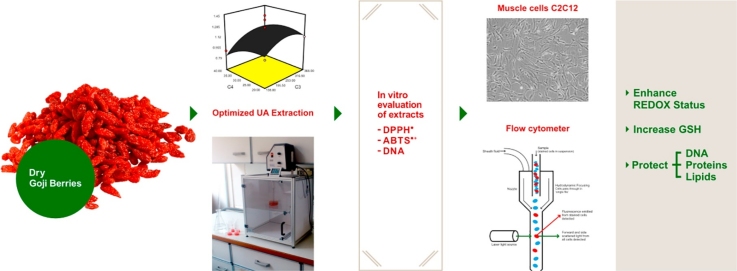
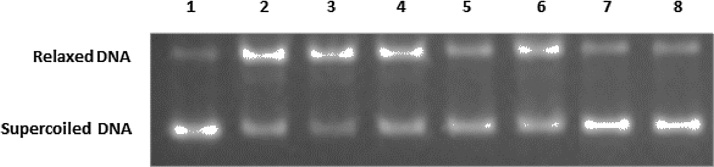
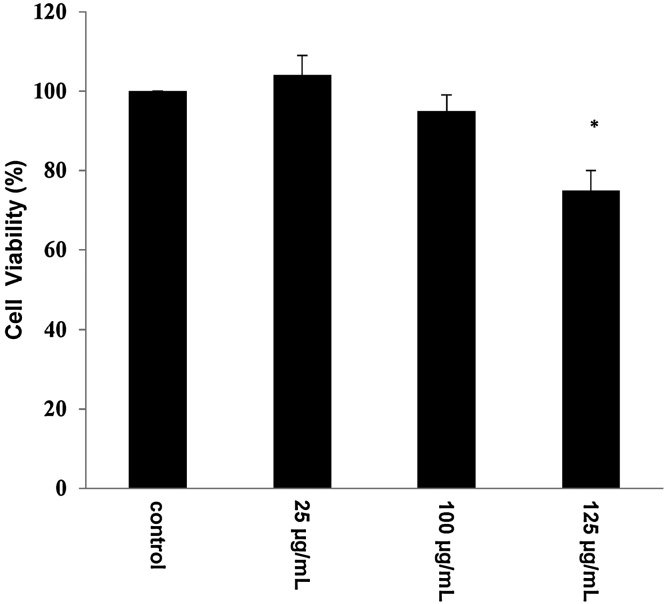
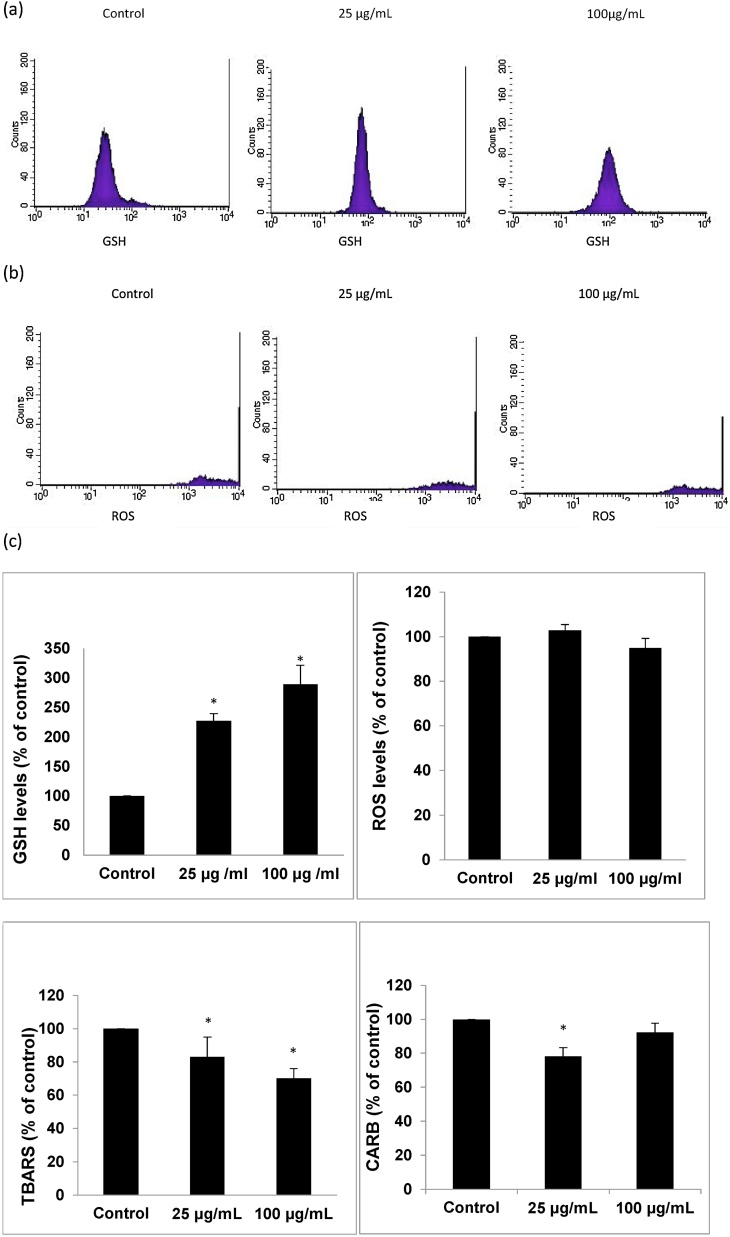
The aim of this study was to assess the antioxidant and antimutagenic activities of ultrasound assisted aqueous extracts from dry goji berry fruits cultivated in Greece. The extracts' free radical scavenging activity was assessed by the DPPH• and ABTS•+ assays. The results from both assays demonstrated that the extracts exhibited strong radical scavenging activity with IC50 values ranging from 1.29 to 3.00 mg/ml for DPPH• and from 0.39 to 1.10 mg/mL for ABTS•+ assay. The investigated extracts also inhibited free radical-induced DNA damage induced by peroxyl (ROO•) radicals with IC50 ranging from 0.69 to 6.90 mg/mL. Τhe antioxidant activity of the goji berry extract exhibited the highest potency in the above assays was also examined in muscle cells. In particular, muscle C2C12 cells were treated with the selected extract at non cytotoxic concentrations for 24 h and four oxidative stress markers were measured: total reactive oxygen species (ROS), glutathione (GSH), lipid peroxidation and protein carbonyl levels. The results showed that the extract at 25 and 100 μg/mL increased GSH levels up to 189.5% and decreased lipid peroxidation and protein carbonyls by 21.8 and 29.1% respectively. The present study was the first on the antioxidant effects of ultrasound assisted aqueous extracts from goji berry fruits in muscle cells.
Keywords: ABTS•+, 2,2΄-Azino-bis-(3-ethyl-benzthiazoline-sulphonic acid; Antioxidant; DPPH•, 2,2-diphenyl-1-picrylhydrazyl; GSH, glutathione; Glutathione; Goji berry; Lipid peroxidation; Muscle cells; Polyphenols; Protein oxidation; ROS, reactive oxygen species; TBARS, thiobarbituric acid-reactive substances.
Figures
References
-
- Goutzourelas N., Stagos D., Demertzis N., Mavridou P., Karterolioti H., Georgadakis S., Kerasioti E., Aligiannis N., Skaltsounis L., Statiri A., Tsioutsiouliti A., Tsatsakis A., Hayes A., Kouretas D. Effects of polyphenolic grape extract on the oxidative status of muscle and endothelial cells. Hum. Exp. Toxicol. 2014;33:1099–1112. - PubMed
-
- Ji L.L. Antioxidant signaling in skeletal muscle: a brief review. Exp. Gerontol. 2007;42:582–593. - PubMed
-
- Gerasopoulos K., Stagos D., Kokkas S., Petrotos K., Kantas D., Goulas P., Kouretas D. Feed supplemented with byproducts from olive oil mill wastewater processing increases antioxidant capacity in broiler chickens. Food Chem. Toxicol. 2015;82:42–49. - PubMed
-
- Nikolaidis M.G., Jamurtas A.Z., Paschalis V., Fatouros I.G., Koutedakis Y., Kouretas D. The effect of muscle-damaging exercise on blood and skeletal muscle oxidative stress: magnitude and time-course considerations. Sports Med. (Auckland, N.Z.) 2008;38:579–606. - PubMed
-
- Hood D.A., Uguccioni G., Vainshtein A., D’souza D. Mechanisms of exercise-induced mitochondrial biogenesis in skeletal muscle: implications for health and disease. Comp. Physiol. 2011;1:1119–1134. - PubMed
LinkOut - more resources
Full Text Sources
Other Literature Sources
Miscellaneous
