


Benefit of Apabetalone on Plasma Proteins in Renal Disease
- PMID: 29854980
- PMCID: PMC5976837
- DOI: 10.1016/j.ekir.2017.12.001
Benefit of Apabetalone on Plasma Proteins in Renal Disease
Abstract
Introduction: Apabetalone, a small molecule inhibitor, targets epigenetic readers termed BET proteins that contribute to gene dysregulation in human disorders. Apabetalone has in vitro and in vivo anti-inflammatory and antiatherosclerotic properties. In phase 2 clinical trials, this drug reduced the incidence of major adverse cardiac events in patients with cardiovascular disease. Chronic kidney disease is associated with a progressive loss of renal function and a high risk of cardiovascular disease. We studied the impact of apabetalone on the plasma proteome in patients with impaired kidney function.
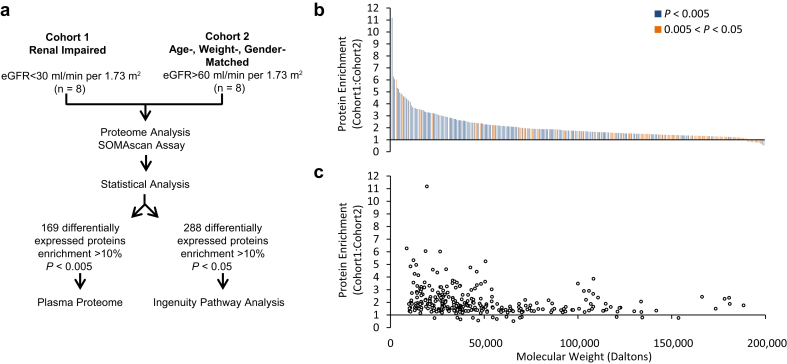
Methods: Subjects with stage 4 or 5 chronic kidney disease and matched controls received a single dose of apabetalone. Plasma was collected for pharmacokinetic analysis and for proteomics profiling using the SOMAscan 1.3k platform. Proteomics data were analyzed with Ingenuity Pathway Analysis to identify dysregulated pathways in diseased patients, which were targeted by apabetalone.
Results: At baseline, 169 plasma proteins (adjusted P value <0.05) were differentially enriched in renally impaired patients versus control subjects, including cystatin C and β2 microglobulin, which correlate with renal function. Bioinformatics analysis of the plasma proteome revealed a significant activation of 42 pathways that control immunity and inflammation, oxidative stress, endothelial dysfunction, vascular calcification, and coagulation. At 12 hours postdose, apabetalone countered the activation of pathways associated with renal disease and reduced the abundance of disease markers, including interleukin-6, plasminogen activator inhibitor-1, and osteopontin.
Conclusion: These data demonstrated plasma proteome dysregulation in renally impaired patients and the beneficial impact of apabetalone on pathways linked to chronic kidney disease and its cardiovascular complications.
Keywords: bromodomain; cardiovascular disease; chronic kidney disease; epigenetics; inflammation; proteomics.
Figures
References
LinkOut - more resources
Full Text Sources
Other Literature Sources
Research Materials
