The biomedical challenge of neurodegenerative disorders: an opportunity for cannabinoid-based therapies to improve on the poor current therapeutic outcomes
- PMID: 29856067
- PMCID: PMC6487558
- DOI: 10.1111/bph.14382
The biomedical challenge of neurodegenerative disorders: an opportunity for cannabinoid-based therapies to improve on the poor current therapeutic outcomes
Abstract
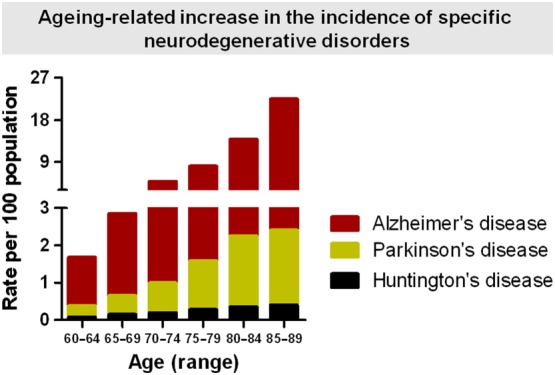
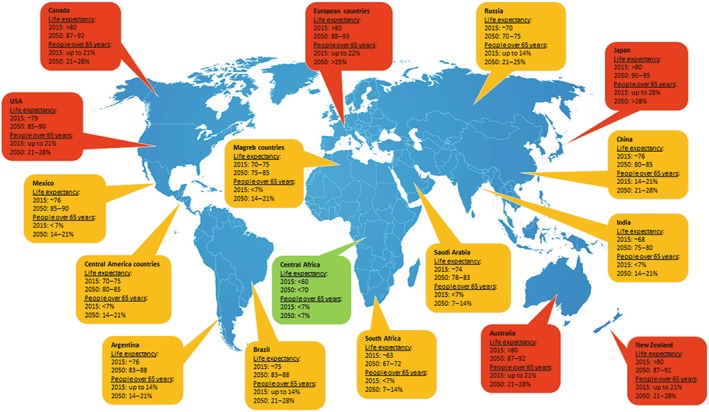
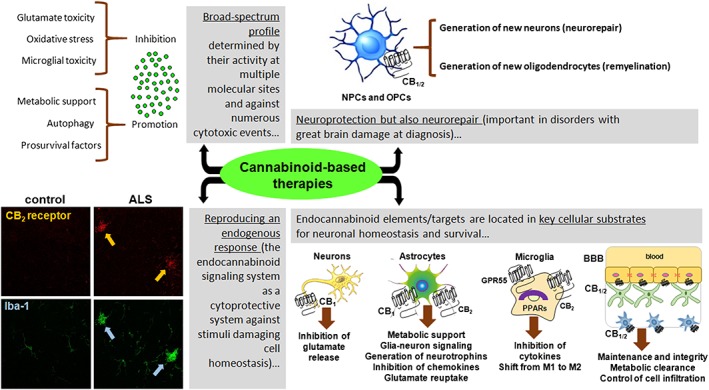
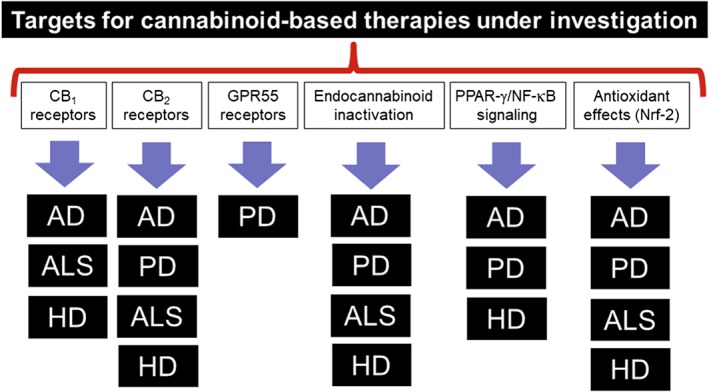
At the beginning of the 21st century, the therapeutic management of neurodegenerative disorders remains a major biomedical challenge, particularly given the worldwide ageing of the population over the past 50 years that is expected to continue in the forthcoming years. This review will focus on the promise of cannabinoid-based therapies to address this challenge. This promise is based on the broad neuroprotective profile of cannabinoids, which may cooperate to combat excitotoxicity, oxidative stress, glia-driven inflammation and protein aggregation. Such effects may be produced by the activity of cannabinoids through their canonical targets (e.g. cannabinoid receptors and endocannabinoid enzymes) and also via non-canonical elements and activities in distinct cell types critical for cell survival or neuronal replacement (e.g. neurons, glia and neural precursor cells). Ultimately, the therapeutic events driven by endocannabinoid signalling reflect the activity of an endogenous system that regulates the preservation, rescue, repair and replacement of neurons and glia. LINKED ARTICLES: This article is part of a themed section on 8th European Workshop on Cannabinoid Research. To view the other articles in this section visit http://onlinelibrary.wiley.com/doi/10.1111/bph.v176.10/issuetoc.
© 2018 The British Pharmacological Society.
Conflict of interest statement
The author declares no conflicts of interest.
Figures
References
Publication types
MeSH terms
Substances
LinkOut - more resources
Full Text Sources
Other Literature Sources
Medical
Miscellaneous