


Peripheral Arterial Disease in Women: an Overview of Risk Factor Profile, Clinical Features, and Outcomes
- PMID: 29858704
- PMCID: PMC5984648
- DOI: 10.1007/s11883-018-0742-x
Peripheral Arterial Disease in Women: an Overview of Risk Factor Profile, Clinical Features, and Outcomes
Abstract
Purpose of review: Peripheral arterial disease (PAD) is the third most common manifestation of cardiovascular disease (CVD), following coronary artery disease (CAD) and stroke. PAD remains underdiagnosed and under-treated in women.
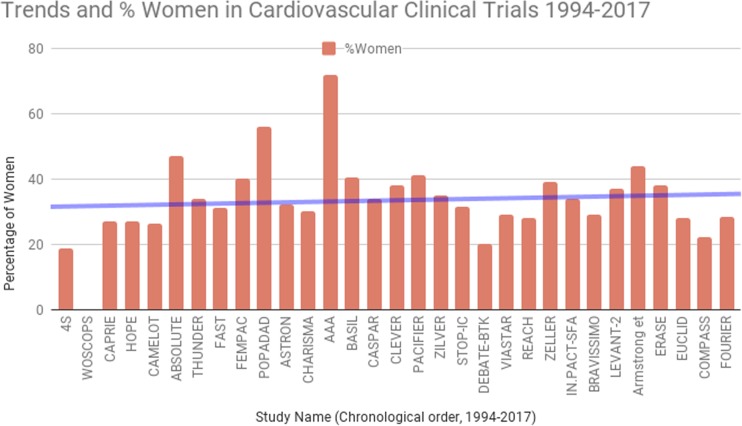
Recent findings: Women with PAD experience more atypical symptoms and poorer overall health status. The prevalence of PAD in women increases with age, such that more women than men have PAD after the age of 40 years. There is under-representation of PAD patients in clinical trials in general and women in particular. In this article, we address the lack of women participants in PAD trials. We then present a comprehensive overview of the epidemiology/risk factor profile, clinical features, treatment, and outcomes. PAD is prevalent in women and its global burden is on the rise despite a decline in global age-standardized death rate from CVD. The importance of this issue has been underlined by the American Heart Association's (AHA) "Call to Action" scientific statement on PAD in women. Large-scale campaigns are needed to increase awareness among physicians and the general public. Furthermore, effective treatment strategies must be implemented.
Keywords: Peripheral arterial disease; Sex differences; Women.
Conflict of interest statement
Conflict of Interest
Qurat-ul-ain Jelani, Mikhail Petrov, Sara C. Martinez, Lene Holmvang, Khaled Al-Shaibi, and Mirvat Alasnag declare that they have no conflict of interest.
Human and Animal Rights and Informed Consent
This article does not contain any studies with human or animal subjects performed by any of the authors.
Figures
References
-
- Fowkes FG, Rudan D, Rudan I, Aboyans V, Denenberg JO, McDermott MM, et al. Comparison of global estimates of prevalence and risk factors for peripheral artery disease in 2000 and 2010: a systematic review and analysis. Lancet. 2013;382(9901):1329–1340. doi: 10.1016/S0140-6736(13)61249-0. - DOI - PubMed
-
- Lloyd-Jones D, Adams R, Carnethon M, De Simone G, Ferguson TB, Flegal K, et al. Heart disease and stroke statistics—2009 update: a report from the American Heart Association Statistics Committee and Stroke Statistics Subcommittee. Circulation. 2009;119(3):480–486. doi: 10.1161/CIRCULATIONAHA.108.191259. - DOI - PubMed
-
- Mahoney EM, Wang K, Cohen DJ, Hirsch AT, Alberts MJ, Eagle K, Mosse F, Jackson JD, Steg PG, Bhatt DL, on behalf of the REACH Registry Investigators One-year costs in patients with a history of or at risk for atherothrombosis in the United States. Circ Cardiovasc Qual Outcomes. 2008;1(1):38–45. doi: 10.1161/CIRCOUTCOMES.108.775247. - DOI - PubMed
Publication types
MeSH terms
LinkOut - more resources
Full Text Sources
Other Literature Sources
Medical
Research Materials
Miscellaneous
