


Phospholipase C delta 4 (PLCδ4) is a nuclear protein involved in cell proliferation and senescence in mesenchymal stromal stem cells
- PMID: 29859928
- PMCID: PMC6095203
- DOI: 10.1016/j.cellsig.2018.05.011
Phospholipase C delta 4 (PLCδ4) is a nuclear protein involved in cell proliferation and senescence in mesenchymal stromal stem cells
Abstract
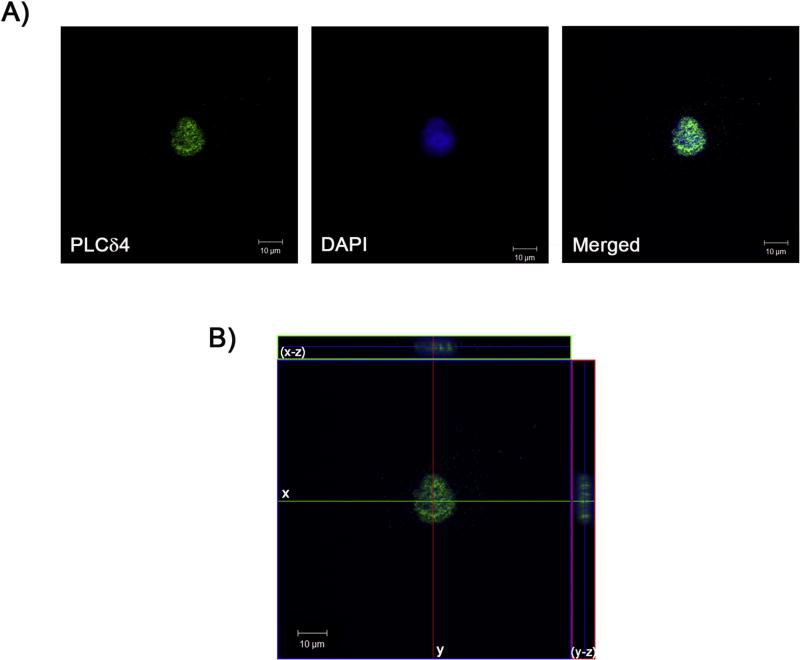
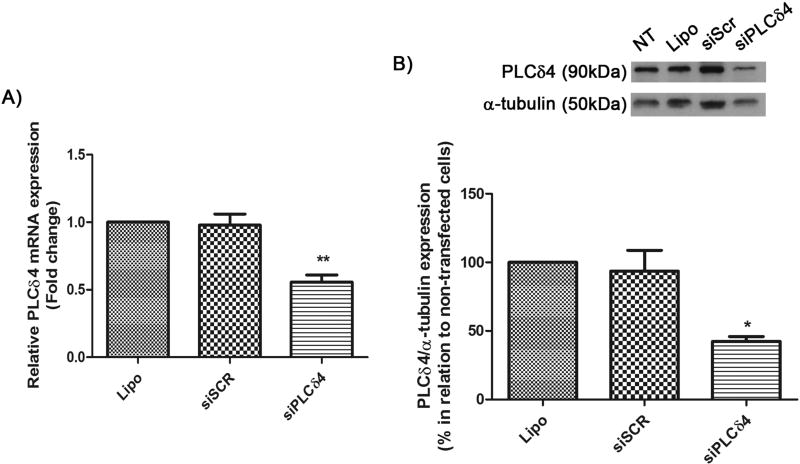
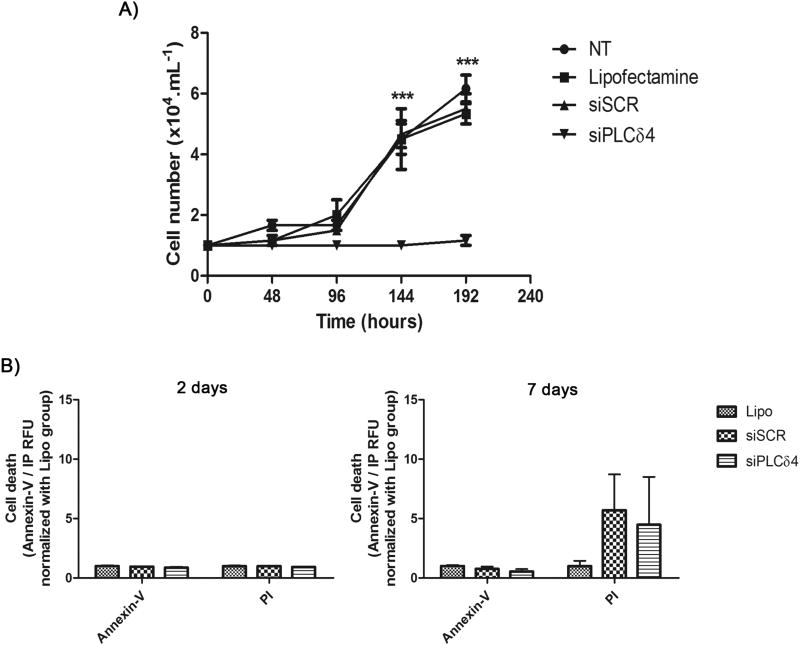
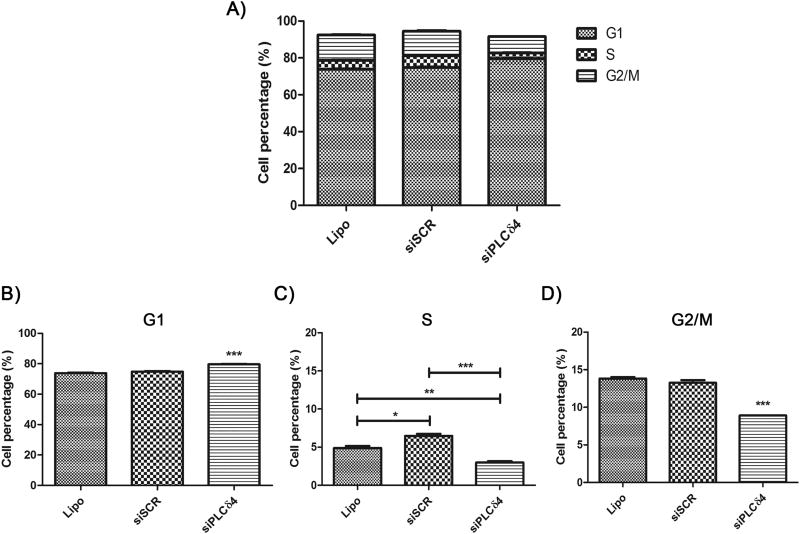
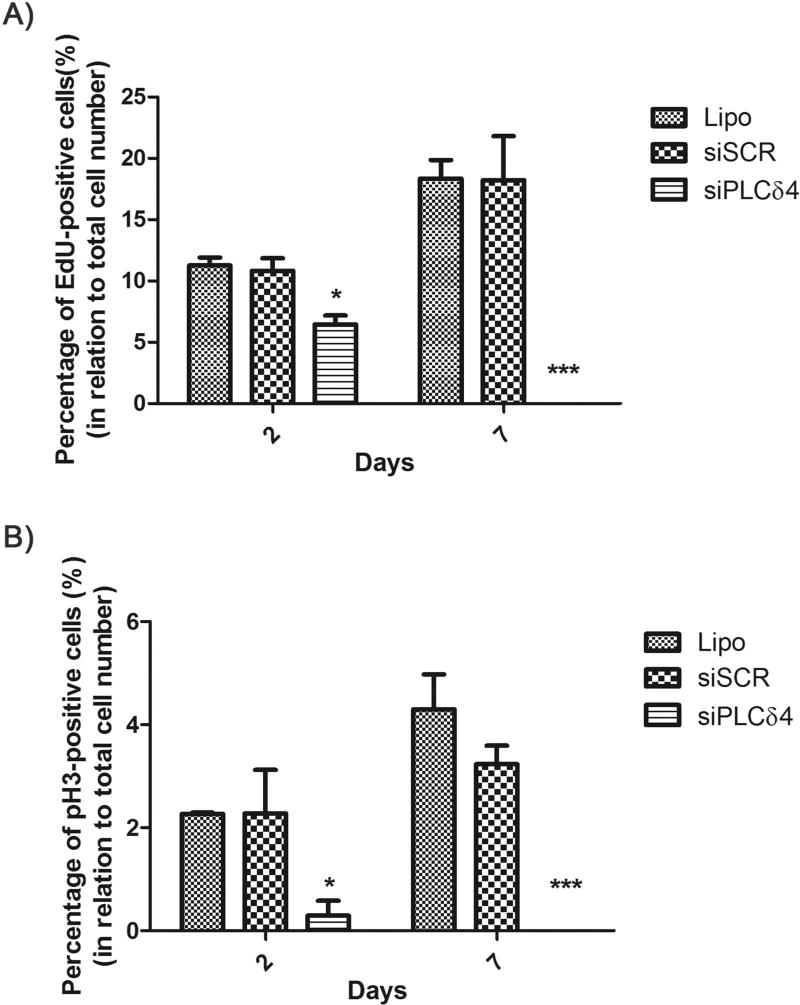
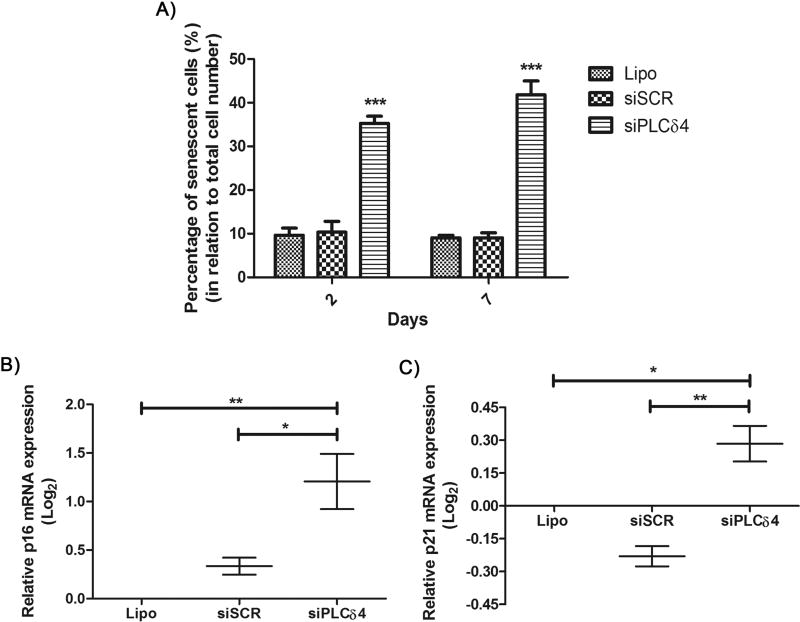
Ca2+ is an important second messenger, and it is involved in many cellular processes such as cell death and proliferation. The rise in intracellular Ca2+ levels can be due to the generation of inositol 1,4,5-trisphosphate (InsP3), which is a product of phosphatidylinositol 4,5-bisphosphate (PIP2) hydrolysis by phospholipases C (PLCs), that leads to Ca2+ release from endoplasmic reticulum by InsP3 receptors (InsP3R). Ca2+ signaling patterns can vary in different regions of the cell and increases in nuclear Ca2+ levels have specific biological effects that differ from those of Ca2+ increase in the cytoplasm. There are PLCs in the cytoplasm and nucleus, but little is known about the functions of nuclear PLCs. This work aimed to characterize phenotypically the human PLCδ4 (hPLCδ4) in mesenchymal stem cells. This nuclear isoform of PLC is present in different cell types and has a possible role in proliferative processes. In this work, hPLCδ4 was found to be mainly nuclear in human adipose-derived mesenchymal stem cells (hASC). PLCδ4 knockdown demonstrated that it is essential for hASC proliferation, without inducing cell death. An increase of cells in G1, and a reduction of cells on interphase and G2/M in knockdown cells were seen. Furthermore, PLCδ4 knockdown increased the percentage of senescent cells, p16INK4A+ and p21Cip1 mRNAs expression, which could explain the impaired cell proliferation. The results show that hPLCδ4 is in involved in cellular proliferation and senescence in hASC.
Keywords: Calcium signaling; Cellular proliferation; Cellular senescence; Human PLCδ4; Nuclear calcium signaling.
Copyright © 2018 Elsevier Inc. All rights reserved.
Conflict of interest statement
The authors declare that they have no competing interests.
Figures
References
-
- Berridge MJ, Lipp P, Bootman MD. The versatility and universality of calcium signalling. Nature reviews. Molecular cell biology. 2000;1(1):11–21. - PubMed
-
- Mendes CC, Gomes DA, Thompson M, Souto NC, Goes TS, Goes AM, Rodrigues MA, Gomez MV, Nathanson MH, Leite MF. The type III inositol 1,4,5-trisphosphate receptor preferentially transmits apoptotic Ca2+ signals into mitochondria. The Journal of biological chemistry. 2005;280(49):40892–900. - PubMed
-
- Mikoshiba K. The InsP3 receptor and intracellular Ca2+ signaling. Current opinion in neurobiology. 1997;7(3):339–45. - PubMed
MeSH terms
Substances
Grants and funding
LinkOut - more resources
Full Text Sources
Other Literature Sources
Molecular Biology Databases
Miscellaneous
