. 2018 May 18;9(38):24980-24991.
doi: 10.18632/oncotarget.25166.

Biological and metabolic effects of IACS-010759, an OxPhos inhibitor, on chronic lymphocytic leukemia cells

Affiliations

Biological and metabolic effects of IACS-010759, an OxPhos inhibitor, on chronic lymphocytic leukemia cells

Hima V Vangapandu et al. Oncotarget. .

Abstract

Blood cells from patients with chronic lymphocytic leukemia (CLL) are replicationally quiescent but transcriptionally, translationally, and metabolically active. Recently, we demonstrated that oxidative phosphorylation (OxPhos) is a predominant pathway in CLL for energy production and is further augmented in the presence of the stromal microenvironment. Importantly, CLL cells from patients with poor prognostic markers showed increased OxPhos. From these data, we theorized that OxPhos can be targeted to treat CLL. IACS-010759, currently in clinical development, is a small-molecule, orally bioavailable OxPhos inhibitor that targets mitochondrial complex I. Treatment of primary CLL cells with IACS-010759 greatly inhibited OxPhos but caused only minor cell death at 24 and 48 h. In the presence of stroma, the drug successfully inhibited OxPhos and diminished intracellular ribonucleotide pools. However, glycolysis and glucose uptake were induced as compensatory mechanisms. To mitigate the upregulated glycolytic flux, we used 2-deoxy-D-glucose in combination with IACS-010759. This combination reduced both OxPhos and glycolysis and induced cell death. Consistent with these data, low-glucose culture conditions sensitized CLL cells to IACS-010759. Collectively, these data suggest that CLL cells adapt to use a different metabolic pathway when OxPhos is inhibited and that targeting both OxPhos and glycolysis pathways is necessary for biological effect.

Keywords: 2-dG; IACS-010759; OxPhos; metabolism; mitochondria.


Conflict of interest statement

CONFLICTS OF INTEREST The authors have no financial or other conflicts of interests.

Figures
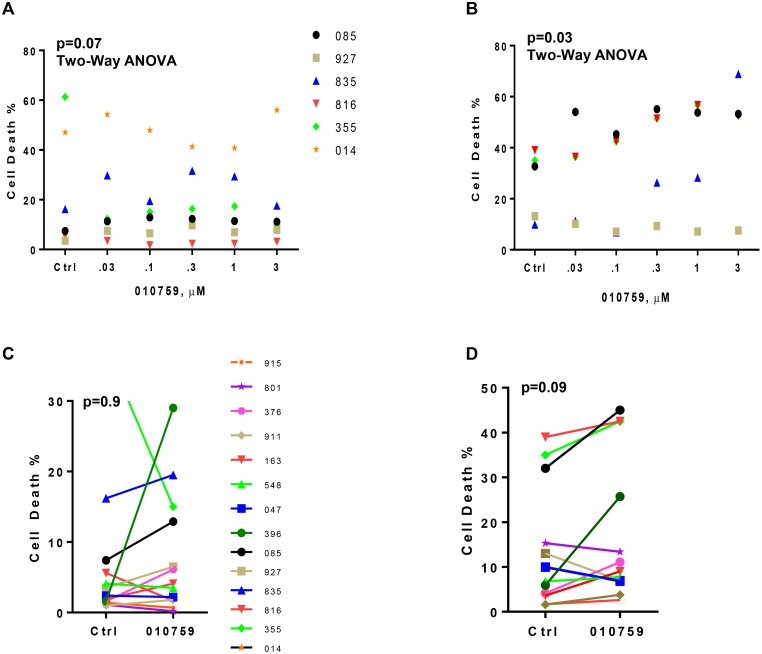
Figure 1
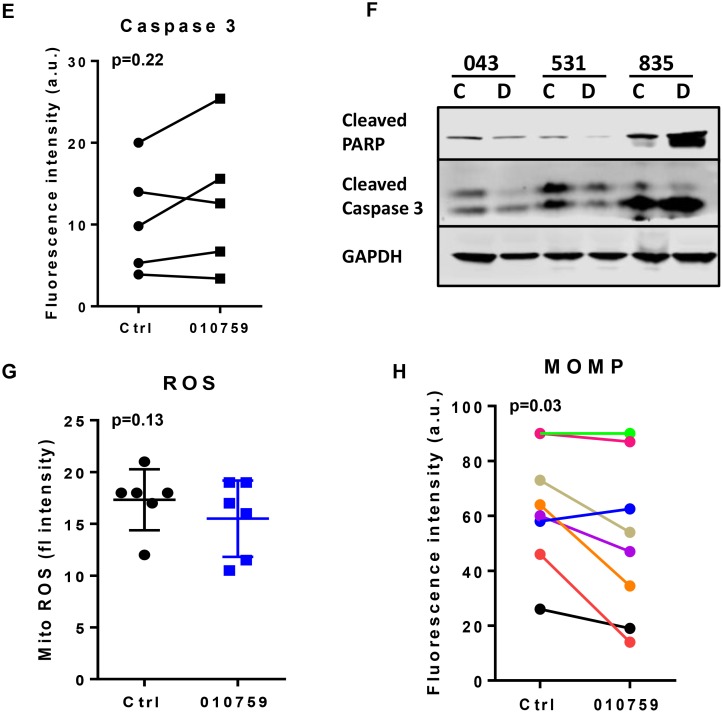
Figure 1. Effect of IACS-010759 on cell survival and mitochondrial functionalities of malignant CLL B cells
(AB) Cell death in primary CLL cells treated with different doses of IACS-010759 in six patient samples at 24 h (A) and 48 h (B). (CD) Cell death in primary CLL cells incubated with or with 100 nM IACS-010759 (n = 14) at 24 h (C) and (n = 13) at 48 h (D). (E) Activation of caspase 3 measured by a flow cytometric assay. CLL cells that were untreated or treated with IACS-010759 (n = 5) were assayed for caspase 3 activity. (F) Immunoblot showing cleaved PARP and cleaved caspase 3 proteins in untreated or treated cells. C; Control untreated; D, drug IACS-010759-treated. Glyceraldehyde 3-phosphate dehydrogenase (GAPDH) protein was used as loading control. (G) CLL cells that were untreated or treated (n = 6) were assayed for mitochondrial ROS (mito ROS) at 24 h. (H) CLL cells that were untreated or treated (n = 8) were assayed for mitochondrial outer membrane potential (MOMP). Ctrl, untreated control; 010759, IACS-010759; ANOVA, analysis of variance; a.u. absorbance unit.
Figure 1
Figure 1. Effect of IACS-010759 on cell survival and mitochondrial functionalities of malignant CLL B cells
(AB) Cell death in primary CLL cells treated with different doses of IACS-010759 in six patient samples at 24 h (A) and 48 h (B). (CD) Cell death in primary CLL cells incubated with or with 100 nM IACS-010759 (n = 14) at 24 h (C) and (n = 13) at 48 h (D). (E) Activation of caspase 3 measured by a flow cytometric assay. CLL cells that were untreated or treated with IACS-010759 (n = 5) were assayed for caspase 3 activity. (F) Immunoblot showing cleaved PARP and cleaved caspase 3 proteins in untreated or treated cells. C; Control untreated; D, drug IACS-010759-treated. Glyceraldehyde 3-phosphate dehydrogenase (GAPDH) protein was used as loading control. (G) CLL cells that were untreated or treated (n = 6) were assayed for mitochondrial ROS (mito ROS) at 24 h. (H) CLL cells that were untreated or treated (n = 8) were assayed for mitochondrial outer membrane potential (MOMP). Ctrl, untreated control; 010759, IACS-010759; ANOVA, analysis of variance; a.u. absorbance unit.
Figure 2
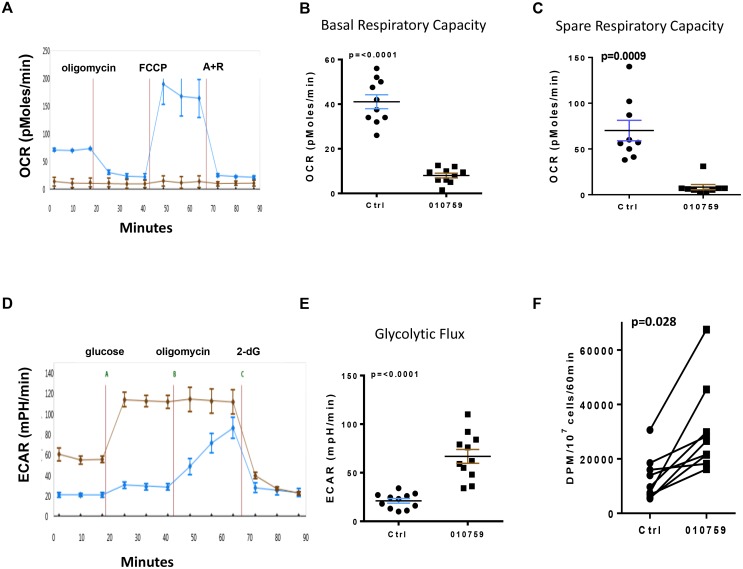
Figure 2. Impact of IACS-010759 on mitochondrial OxPhos and glycolysis in CLL cells
CLL cells were untreated or were treated with 100 nM IACS-010759. Equal numbers of untreated and IACS-010759-treated CLL cells (100 nM) were plated for the XF assay. Five technical replicates were used for OCR and ECAR assays. (A) XF cell mitochondrial stress test profile of a CLL sample. CLL cells that were untreated (blue curve), or treated with IACS-010759 (brown curve) were used for the assay. (B) Basal OCR of untreated (blue line) and treated (brown line) CLL cells were analyzed for OxPhos (n = 10). (C) Changes in spare respiratory capacity of untreated (blue line) and treated (brown line) CLL cells. (D) XF glycolysis stress test profile of the CLL samples analyzed for OxPhos in A. (E) Glycolytic flux of untreated and treated CLL cells that were analyzed for OxPhos (n = 11). (F) Changes in glucose uptake in CLL cells upon treatment. Untreated and treated CLL cells were assessed for [3H]-deoxy-d-glucose uptake (n = 9). Ctrl, untreated control; 010759, IACS-010759. FCCP, carbonylcyanide-4-trifluoromethoxyphenylhydrazone; A+R, antimycin and rotenone; DPM, disintegration per minute.
Figure 3
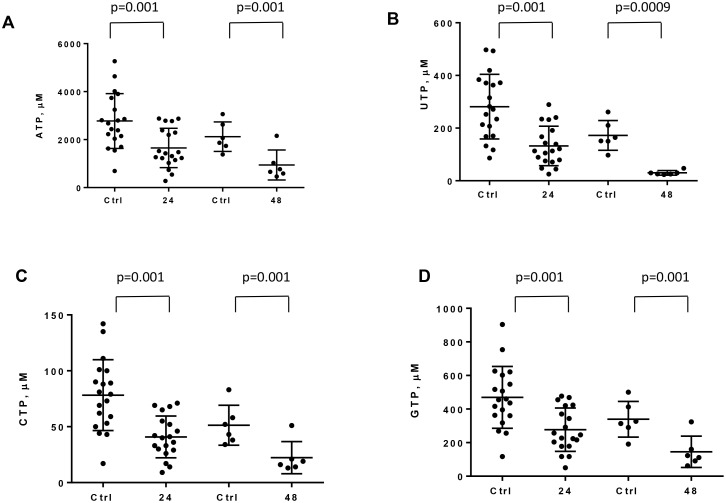
Figure 3. Effect of IACS-010759 on ribonucleotide levels in CLL cells
CLL cells were untreated or were treated with 100 nM IACS-010759 for 24 or 48 h. High-pressure liquid chromatography was performed to assess the levels of intracellular ribonucleotides. All four NTP pools—ATP (A), UTP (B), CTP (C), and GTP (D)—were measured after 24 h (n = 19) or 48 h of IACS-010759 (n = 6) compared with controls. Ctrl, untreated control; 24, 24-h treatment with IACS-010759; 48, 48-h treatment with IACS-010759.
Figure 4
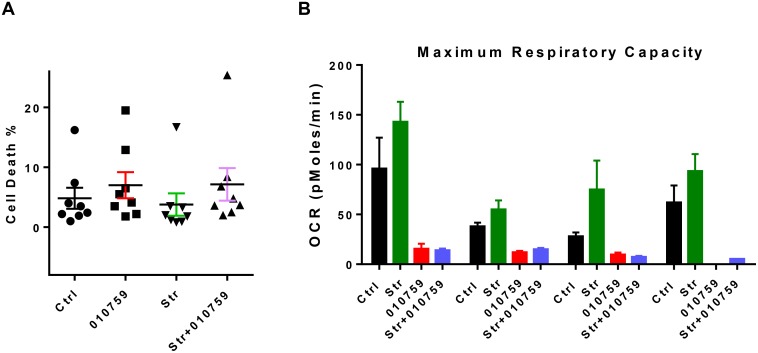
Figure 4. Impact of IACS-010759 on CLL cells co-cultured on stroma
(A) Effect of IACS-010759 on CLL cells cultured in suspension or on stroma. CLL cells were untreated in suspension, treated with IACS-010759 in suspension, untreated on stroma, or treated with IACS-010759 on stroma. Cell death was measured as frequency of annexin V/propidium iodide-positive cells. Cells were obtained from the peripheral blood of patients with CLL (n = 8). The one way ANOVA p value is 0.0425. (B) Measurement of maximum respiratory capacity as OCR in four CLL samples tested either in suspension or after stromal co-culture and untreated or treated with IACS-010759 for 24 h. The p values are, C vs 010759, p ≤ 0.015; 010759 vs stroma, p = 0.08, Ctrl, untreated control; 010759, 100 nM IACS-010759; Str, stromal co-culture.
Figure 5
Figure 5. Effect of combination of IACS-010759 and 2-dG or low-glucose conditions on CLL cells
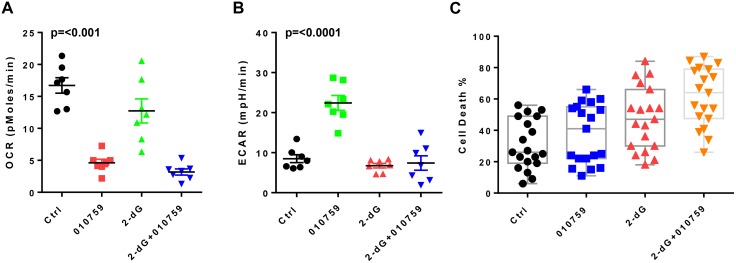
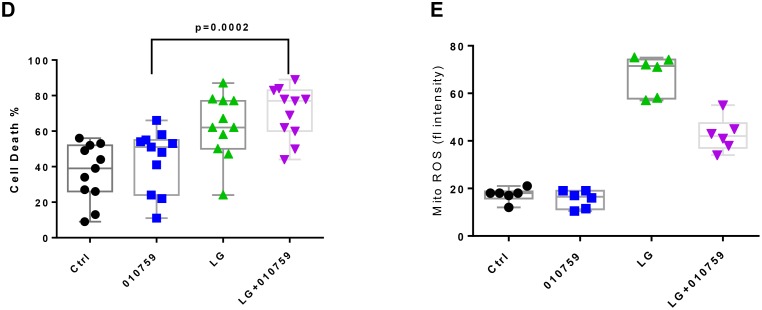
(A) Basal OCR was measured in CLL cells (n = 7) that were untreated or treated with 100 nM IACS-010759 alone, 5 mM 2-dG alone, or a combination of IACS-010759 and 2-dG. The p values are, Ctrl vs 010759, p ≤ 0.0001; 010759 vs 2dG, p = 0.0054; 010759 vs combo, p = 0.07; 2dG vs combo, p = 0.0017. (B) Effect of single agent versus combination on ECAR. Measurement of ECAR in same seven patient samples as in A. The p values are Ctrl vs 010759, p = 0.0003; 010759 vs 2dG, p ≤ 0.0001; 010759 vs combo p ≤ 0.0001; 2dG vs combo, p = 0.69. (C) Impact of single agent and combination on cell death in CLL cells obtained from patients (n = 19). Induction of apoptosis was measured using annexin V/propidium iodide staining. The p values are Ctrl vs 010759, p = 0.011; 010759 vs 2dG, p = 0.011; 010759 vs combo, p ≤ 0.0001; 2dG vs combo, p = 0.0005. (D) Effect of low glucose conditions (5 mM) on CLL cell death and impact of addition of IACS-010759 during low glucose culture conditions. CLL cells from patients (n = 11) were either untreated, treated with IACS-010759, low glucose medium, and low glucose medium with IACS-010759 for 24 h and apoptosis was measured using annexin V/propidium iodide staining. The p values are Ctrl vs 010759, p = 0.011; 010759 vs LG, p = 0.0011; 010759 vs combo, p = 0.0002; LG vs combo, p = 0.1. (E) Changes in mitochondrial ROS (mito ROS) in CLL cells. CLL cells were treated as in D, and mito ROS was measured as described in the Methods section. The p values are Ctrl vs 010759, p = 0.13; Ctrl vs LG, p = 0.0001; 010759 vs combo, p = 0.001; LG vs combo, p = 0.0029. Ctrl, untreated control; 010759, 100 nM IACS-010759; LG, low-glucose culture conditions; fl, fluorescent.
Figure 5
Figure 5. Effect of combination of IACS-010759 and 2-dG or low-glucose conditions on CLL cells
(A) Basal OCR was measured in CLL cells (n = 7) that were untreated or treated with 100 nM IACS-010759 alone, 5 mM 2-dG alone, or a combination of IACS-010759 and 2-dG. The p values are, Ctrl vs 010759, p ≤ 0.0001; 010759 vs 2dG, p = 0.0054; 010759 vs combo, p = 0.07; 2dG vs combo, p = 0.0017. (B) Effect of single agent versus combination on ECAR. Measurement of ECAR in same seven patient samples as in A. The p values are Ctrl vs 010759, p = 0.0003; 010759 vs 2dG, p ≤ 0.0001; 010759 vs combo p ≤ 0.0001; 2dG vs combo, p = 0.69. (C) Impact of single agent and combination on cell death in CLL cells obtained from patients (n = 19). Induction of apoptosis was measured using annexin V/propidium iodide staining. The p values are Ctrl vs 010759, p = 0.011; 010759 vs 2dG, p = 0.011; 010759 vs combo, p ≤ 0.0001; 2dG vs combo, p = 0.0005. (D) Effect of low glucose conditions (5 mM) on CLL cell death and impact of addition of IACS-010759 during low glucose culture conditions. CLL cells from patients (n = 11) were either untreated, treated with IACS-010759, low glucose medium, and low glucose medium with IACS-010759 for 24 h and apoptosis was measured using annexin V/propidium iodide staining. The p values are Ctrl vs 010759, p = 0.011; 010759 vs LG, p = 0.0011; 010759 vs combo, p = 0.0002; LG vs combo, p = 0.1. (E) Changes in mitochondrial ROS (mito ROS) in CLL cells. CLL cells were treated as in D, and mito ROS was measured as described in the Methods section. The p values are Ctrl vs 010759, p = 0.13; Ctrl vs LG, p = 0.0001; 010759 vs combo, p = 0.001; LG vs combo, p = 0.0029. Ctrl, untreated control; 010759, 100 nM IACS-010759; LG, low-glucose culture conditions; fl, fluorescent.
Figure 6
Figure 6. Effect of IACS-010759 on healthy donor PBMCs or B cells
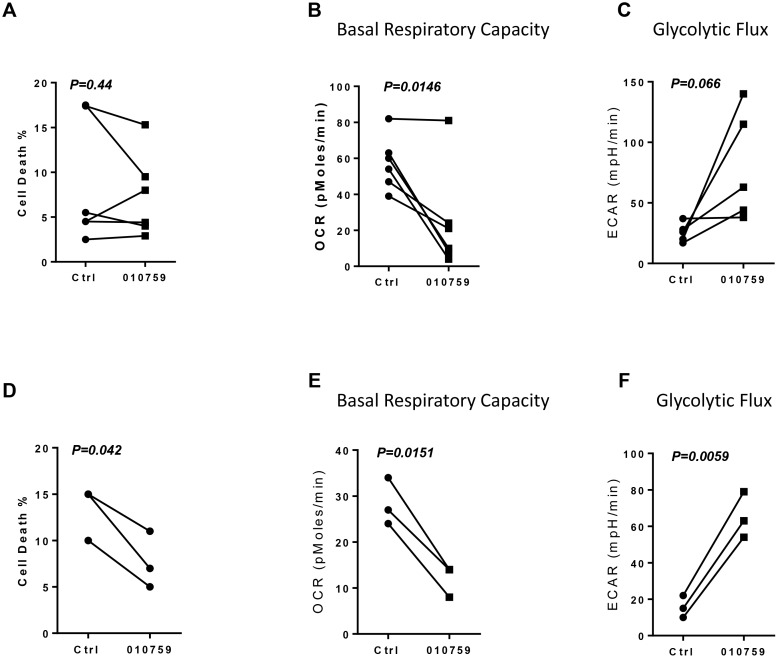
(A) Cell death rate in healthy donor PBMCs that were untreated or were treated with 100 nM IACS-010759 (n = 6). (B) Changes in basal respiratory capacity measured as OCR in PBMCs upon IACS-010759 incubation for 24 h followed by an XF assay. (C) ECAR in five healthy donor PBMCs samples that were untreated or treated for 24 h. (D) Cell death rate in untreated or treated healthy donor B cells (n = 3). (E) Measurement of OCR in healthy donor B cells (n = 3) before and after treatment with IACS-010759. (F) ECAR measurement in healthy donor B cells before and after IACS-010750 treatment. Ctrl, untreated control; 010759, 100 nM IACS-010759 for 24 h.

References

    1. Chiorazzi N, Rai KR, Ferrarini M. Chronic lymphocytic leukemia. N Engl J Med. 2005;352:804–15. https://doi.org/10.1056/NEJMra041720. - DOI - PubMed
    1. Ghamlouch H, Nguyen-Khac F, Bernard OA. Chronic lymphocytic leukaemia genomics and the precision medicine era. Br J Haematol. 2017;178:852–70. https://doi.org/10.1111/bjh.14719. - DOI - PubMed
    1. Guieze R, Wu CJ. Genomic and epigenomic heterogeneity in chronic lymphocytic leukemia. Blood. 2015;126:445–53. https://doi.org/10.1182/blood-2015-02-585042. - DOI - PMC - PubMed
    1. Balakrishnan K, Burger JA, Fu M, Doifode T, Wierda WG, Gandhi V. Regulation of Mcl-1 expression in context to bone marrow stromal microenvironment in chronic lymphocytic leukemia. Neoplasia. 2014;16:1036–46. https://doi.org/10.1016/j.neo.2014.10.002. - DOI - PMC - PubMed
    1. Balakrishnan K, Burger JA, Quiroga MP, Henneberg M, Ayres ML, Wierda WG, Gandhi V. Influence of bone marrow stromal microenvironment on forodesine-induced responses in CLL primary cells. Blood. 2010;116:1083–91. https://doi.org/10.1182/blood-2009-10-246199. - DOI - PMC - PubMed

LinkOut - more resources