


doi: 10.1039/c5sc01958c.
Epub 2015 Jul 7.
Mechanistic investigation of aziridine aldehyde-driven peptide macrocyclization: the imidoanhydride pathway
Affiliations
- PMID: 29861887
- PMCID: PMC5949604
- DOI: 10.1039/c5sc01958c
Item in Clipboard
Mechanistic investigation of aziridine aldehyde-driven peptide macrocyclization: the imidoanhydride pathway
Chem Sci.
.
Abstract
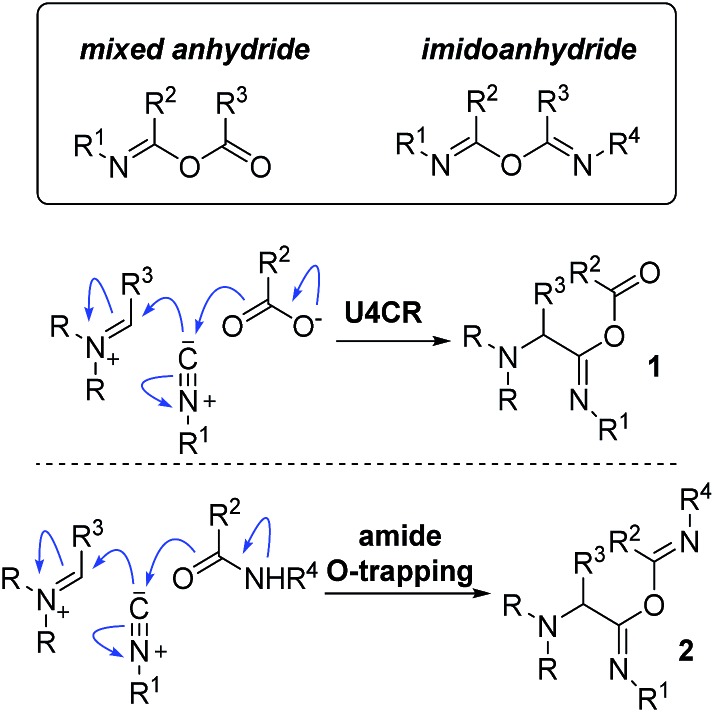
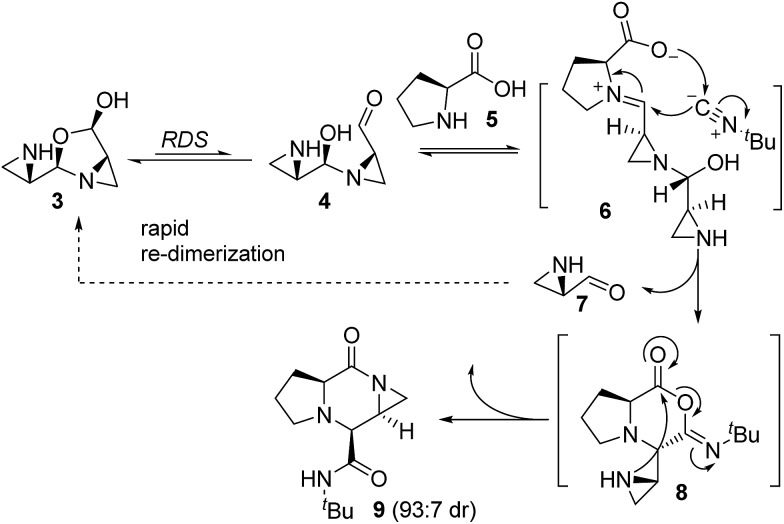
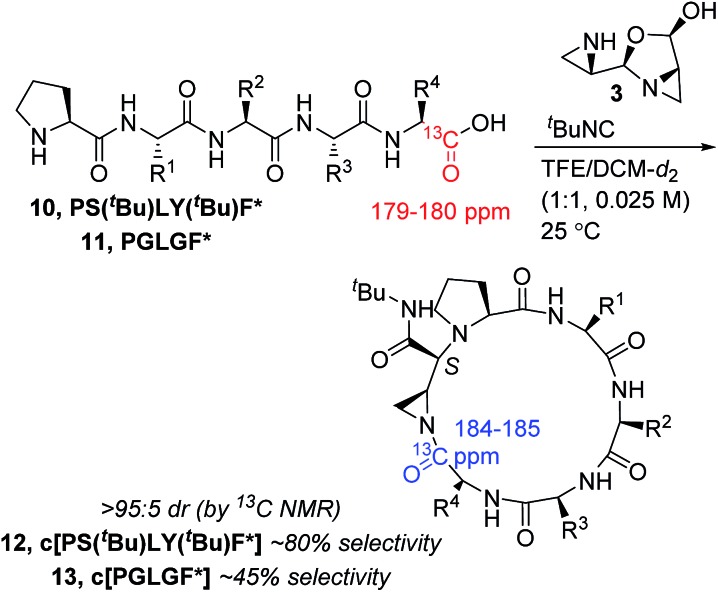
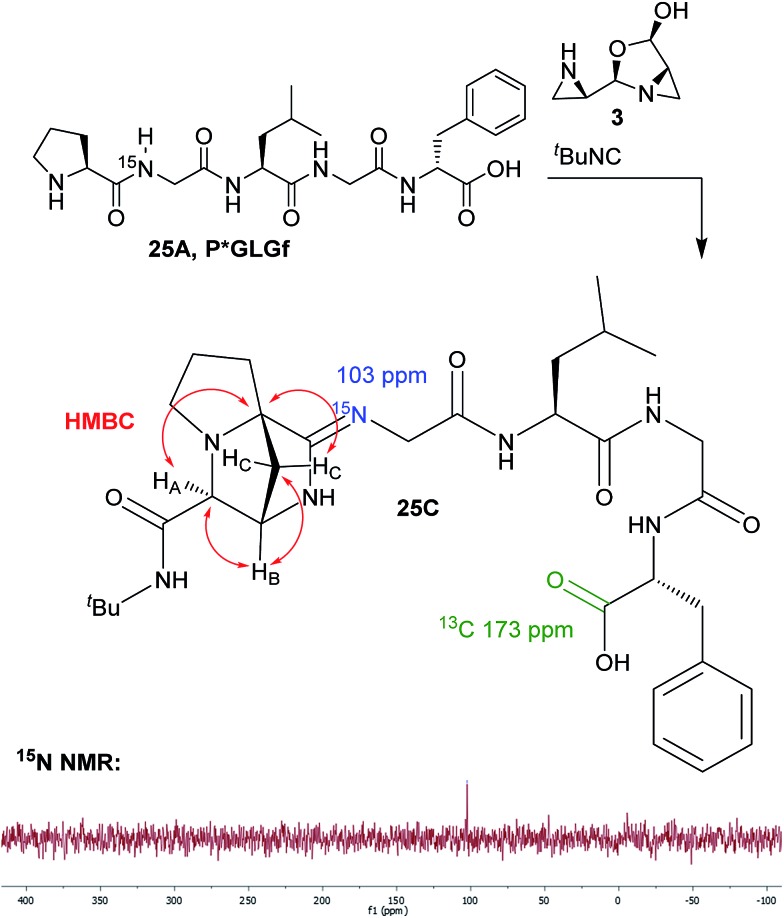
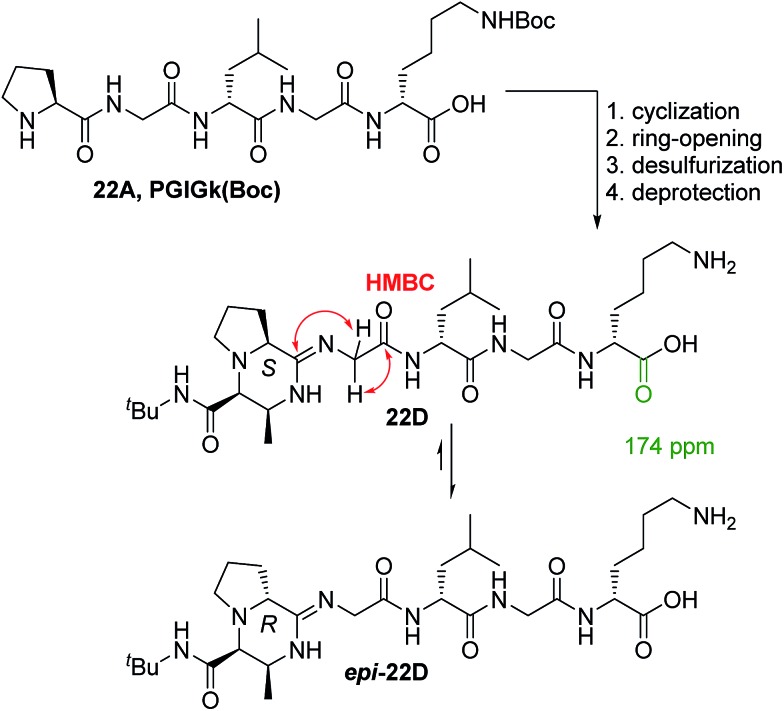
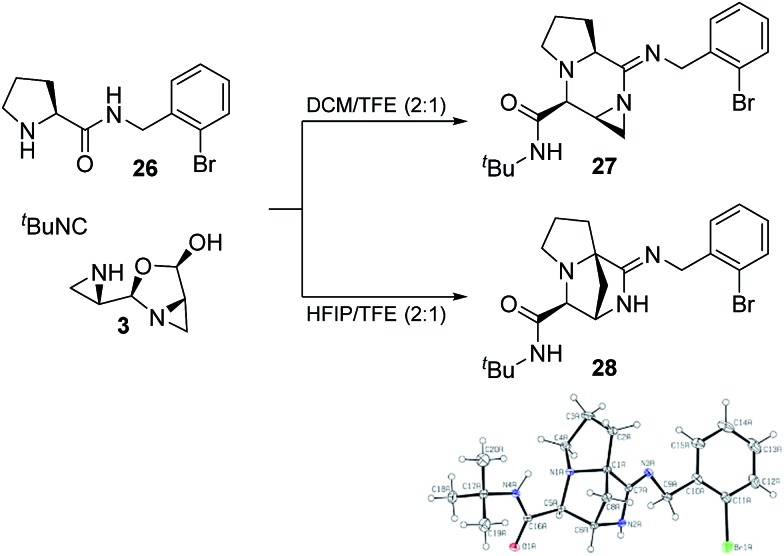
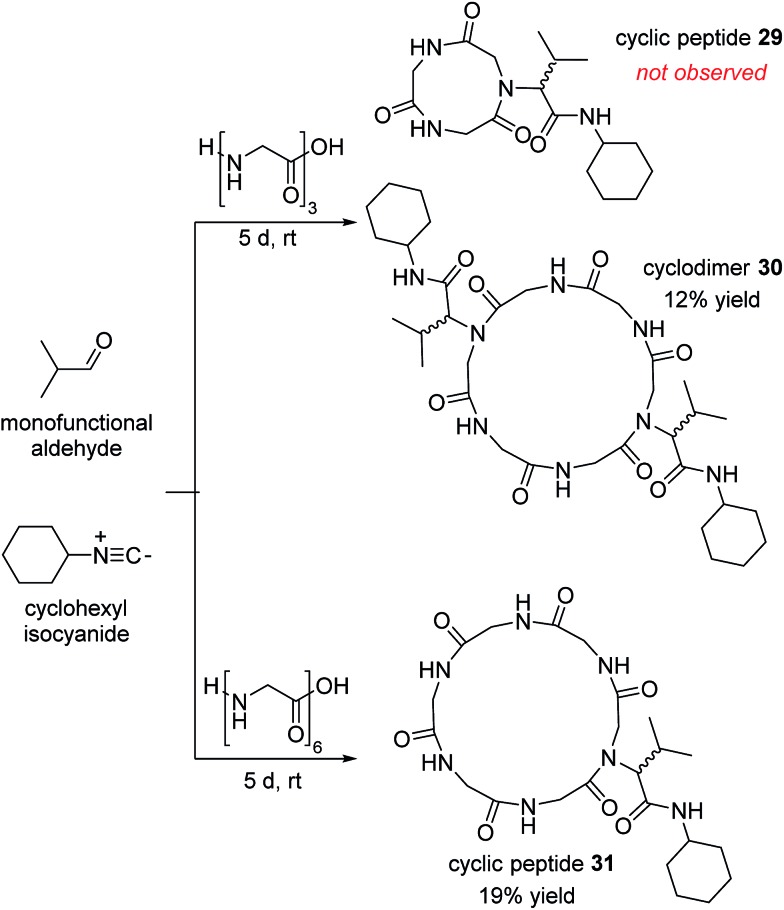
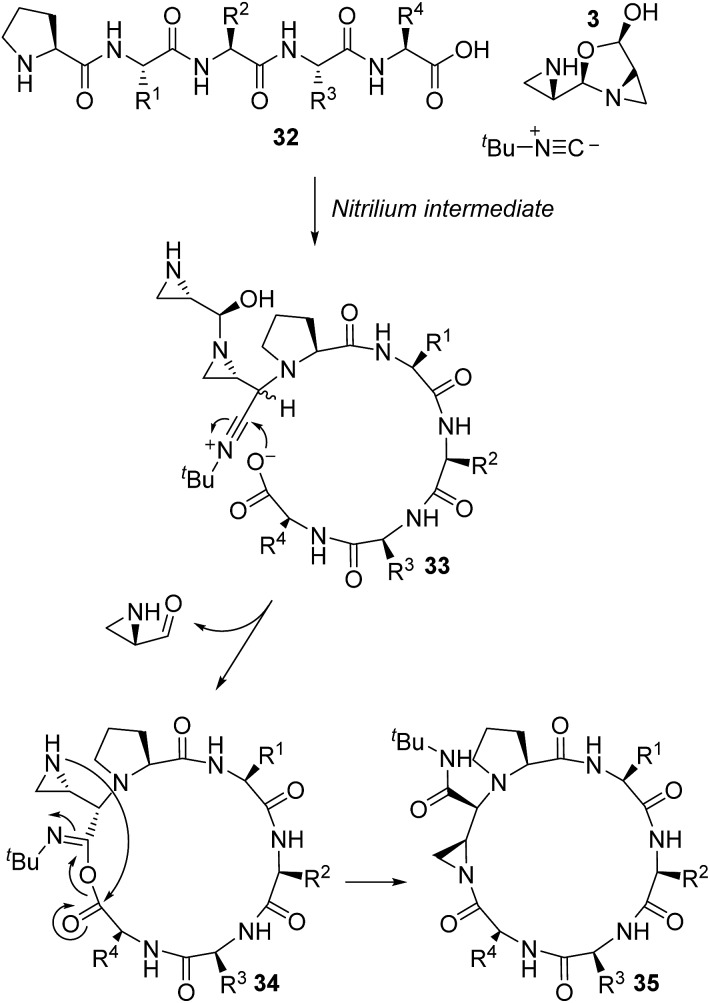
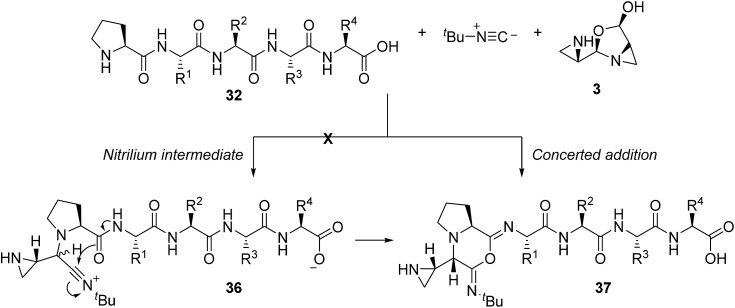
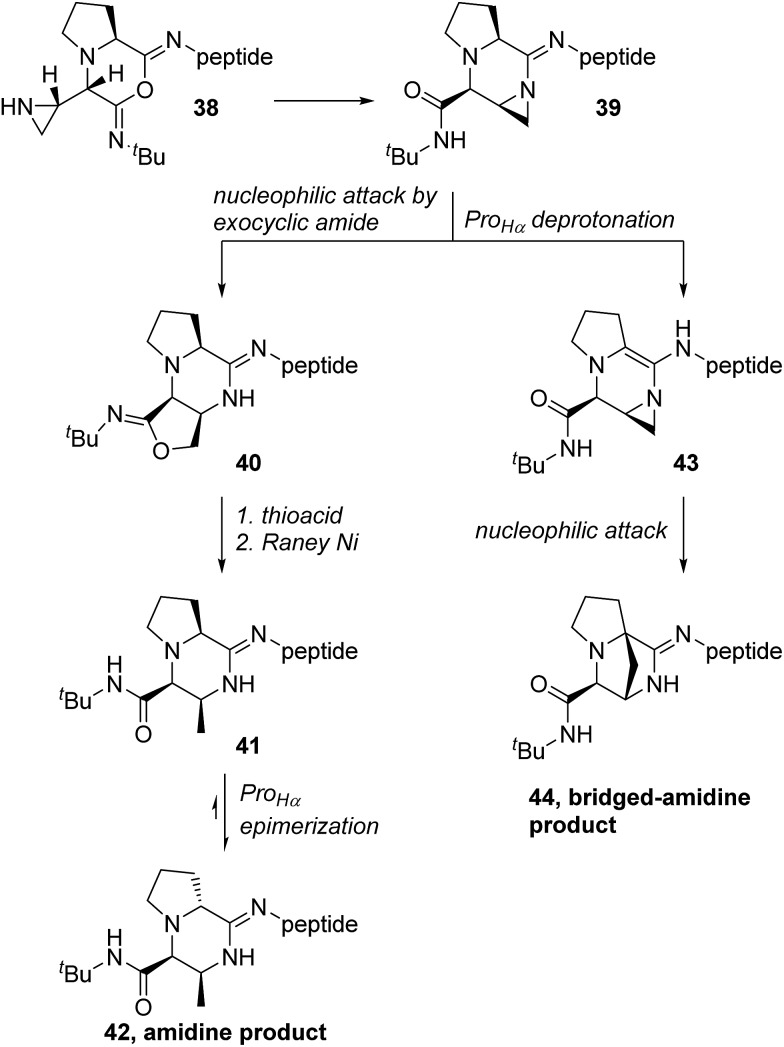
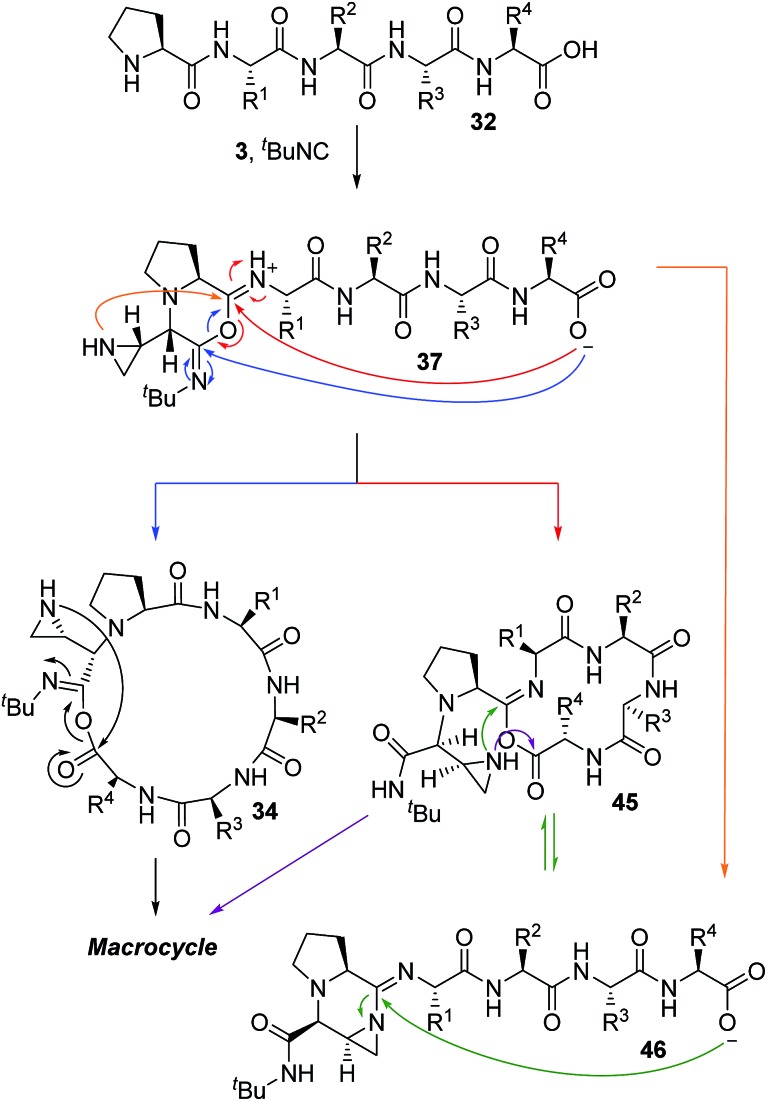
Aziridine aldehyde dimers, peptides, and isocyanides participate in a multicomponent reaction to yield peptide macrocycles. We have investigated the selectivity and kinetics of this process and performed a detailed analysis of its chemoselectivity. While the reactants encompass all of the elements of the traditional Ugi four-component condensation, there is a significant deviation from the previously proposed mechanism. Our results provide evidence for an imidoanhydride pathway in peptide macrocyclization and lend justification for the diastereoselectivity and high effective molarity observed in the reaction.
Figures
References
-
- Afagh N. A., Yudin A. K. Angew. Chem., Int. Ed. 2010;49:262–310. - PubMed
-
- Smith M. B. and March J., March’s Advanced Organic Chemistry: Reactions, Mechanisms, and Structure, Wiley, New York, 5th edn, 2001.
-
- Mayr H., Kempf B., Ofial A. R. Acc. Chem. Res. 2003;36:66–77. - PubMed
-
- Shaik S., Shurki A. Angew. Chem., Int. Ed. 1999;38:586–625. - PubMed
-
- Naredla R. R., Klumpp D. A. Chem. Rev. 2013;113:6905–6948. - PubMed
LinkOut - more resources
Full Text Sources
Other Literature Sources
