


Exosomes: a novel therapeutic target for Alzheimer's disease?
- PMID: 29863025
- PMCID: PMC5998631
- DOI: 10.4103/1673-5374.232490
Exosomes: a novel therapeutic target for Alzheimer's disease?
Abstract
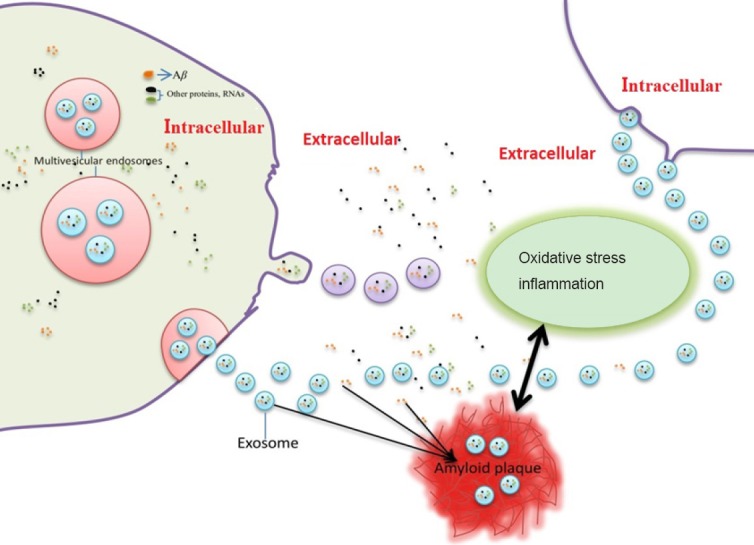
Extracellular exosomes are formed inside the cytoplasm of cells in compartments known as multivesicular bodies. Thus, exosomes contain cytoplasmic content. Multivesicular bodies fuse with the plasma membrane and release exosomes into the extracellular environment. Comprehensive research suggests that exosomes act as both inflammatory intermediaries and critical inducers of oxidative stress to drive progression of Alzheimer's disease. An important role of exosomes in Alzheimer's disease includes the formation of neurofibrillary tangles and beta-amyloid production, clearance, and accumulation. In addition, exosomes are involved in neuroinflammation and oxidative stress, which both act as triggers for beta-amyloid pathogenesis and tau hyperphosphorylation. Further, it has been shown that exosomes are strongly associated with beta-amyloid clearance. Thus, effective measures for regulating exosome metabolism may be novel drug targets for Alzheimer's disease.
Keywords: beta-amyloid; dementia; microvesicle; nerve regeneration; neural regeneration; neurodegeneration; neuroinflammation; oxidative stress; tau; therapeutic target.
Conflict of interest statement
None declared
Figures
References
-
- Agostinho P, Pliassova A, Oliveira CR, Cunha RA. Localization and trafficking of amyloid-beta protein precursor and secretases: impact on Alzheimer’s disease. J Alzheimers Dis. 2015;45:329–347. - PubMed
LinkOut - more resources
Full Text Sources
Other Literature Sources
