


Occupational cholangiocarcinoma caused by exposure to 1,2-dichloropropane and/or dichloromethane
- PMID: 29863124
- PMCID: PMC5881298
- DOI: 10.1002/ags3.12051
Occupational cholangiocarcinoma caused by exposure to 1,2-dichloropropane and/or dichloromethane
Abstract
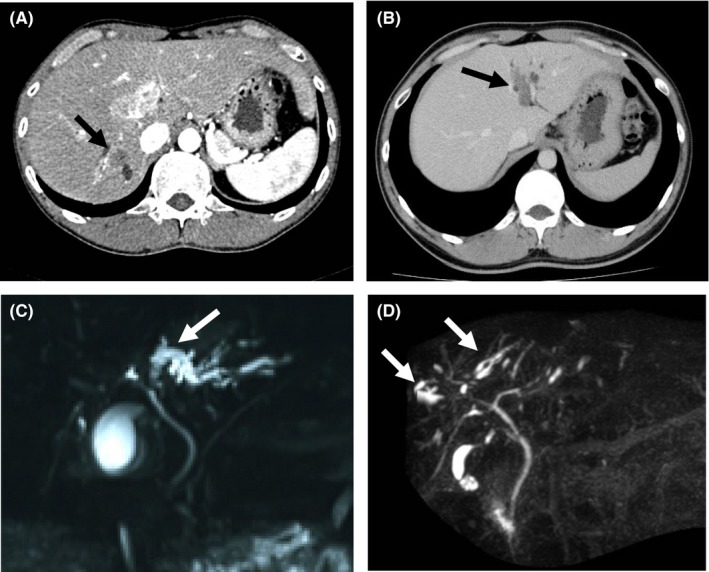
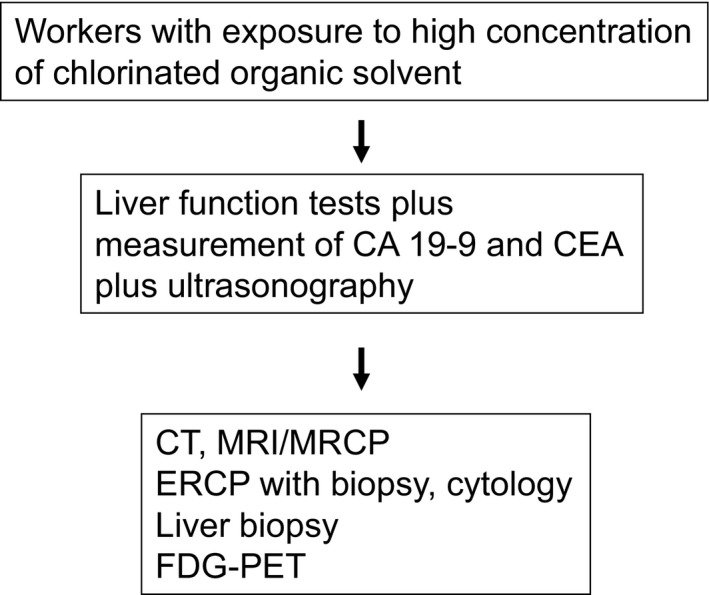
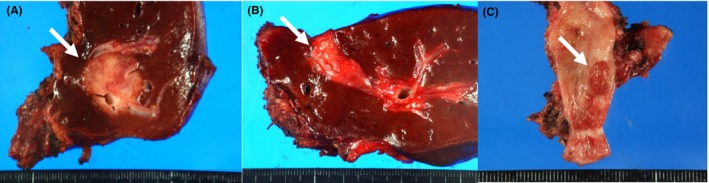
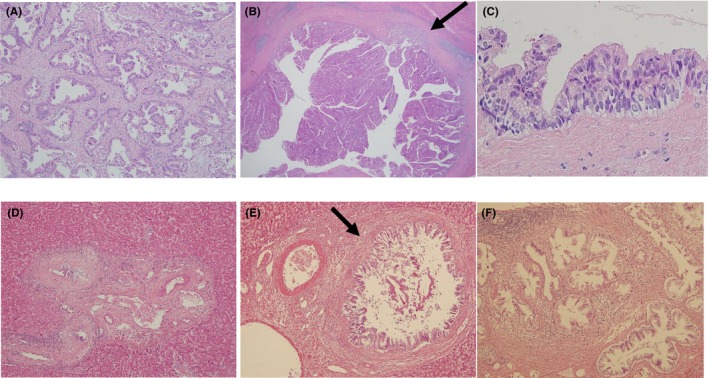
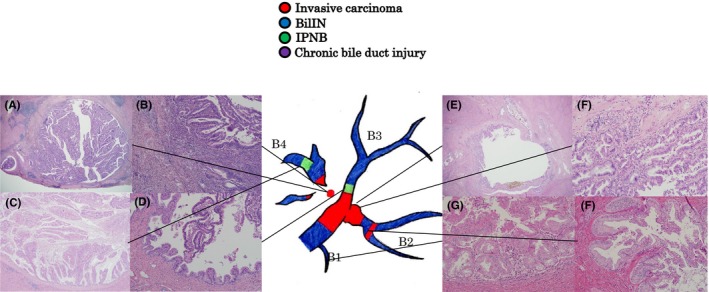
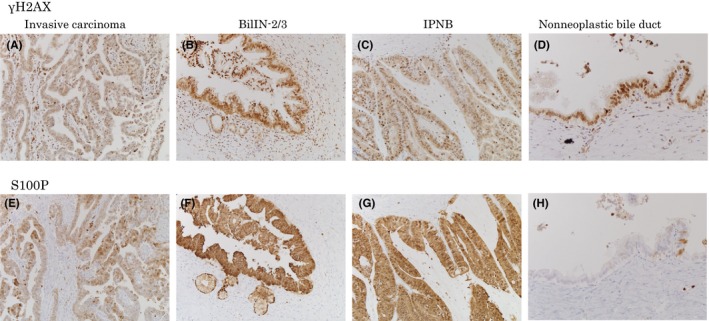
A cluster of cholangiocarcinoma among printing company workers who were exposed to 1,2-dichloropropane and/or dichloromethane was classified by the Ministry of Health, Labour and Welfare of Japan on 1 October 2013 as "occupational cholangiocarcinoma". At the time of the diagnosis of cholangiocarcinoma, levels of γ-glutamyl transferase, and aspartate and alanine aminotransferases were elevated, and had been elevated in some patients several years prior to the diagnosis. Regional dilatation of intrahepatic bile ducts without tumor-induced obstruction was characteristic in diagnostic imaging. Pathological examination found chronic bile duct injury with DNA damage, precancerous/preinvasive lesions such as biliary intraepithelial neoplasia and intraductal papillary neoplasm of the bile duct in various sites of the large bile ducts, and invasive cholangiocarcinoma such as mass-forming type and intraductal growth-type intrahepatic cholangiocarcinoma and mainly papillary-type extrahepatic cholangiocarcinoma. Whole-exome analysis of the cancerous tissues showed hypermutation, substantial strand bias, and unique trinucleotide mutational changes. Patients seemed to suffer high incidence of postoperative complications including intra-abdominal, which might be related to chronic bile duct injury. Postoperative recurrence from multicentric origins occurred in some patients, as DNA-injured bile ducts have high carcinogenic potential. Aggressive treatment, including second resections for such multicentric recurrences, appeared to be effective. In 2014, the International Agency for Research on Cancer classified 1,2-dichloropropane as Group 1 (carcinogenic to humans) and dichloromethane as Group 2A (probably carcinogenic to humans) carcinogens.
Keywords: 1,2‐dichloropropane; biliary intraepithelial neoplasia; cholangiocarcinoma; dichloromethane; intraductal papillary neoplasm of the bile duct.
Figures
References
-
- Kumagai S, Kurumatani N, Arimoto A, Ichihara G. Cholangiocarcinoma among offset colour proof‐printing workers exposed to 1,2‐dichloropropane and/or dichloromethane. Occup Environ Med.. 2013;70:508–10. - PubMed
-
- Kubo S, Nakanuma Y, Takemura S, et al. Case series of 17 patients with cholangiocarcinoma among young adult workers of a printing company in Japan. J Hepatobiliary Pancreat Sci. 2014;31:479–88. - PubMed
-
- Ministry of Health, Labour and Welfare : Occupational biliary tract cancer cases in Japan. [Cited 2017 Nov 9.] Available from http://www.mhlw.go.jp/english/policy/employ-labour/labour-standards/Occu...
-
- Kubo S, Kinoshita M, Takemura S, et al. Characteristics of printing company workers newly diagnosed with occupational cholangiocarcinoma. J Hepatobiliary Pancreat Sci. 2014;21:809–17. - PubMed
-
- Sobue T, Utada M, Makiuchi T, et al. Risk of bile duct cancer among printing workers exposed to 1,2‐dichloropropane and/or dichloromethane. J Occup Health. 2015;57:230–6. - PubMed
Publication types
LinkOut - more resources
Full Text Sources
Other Literature Sources
Medical
