Review
. 2018 Sep 19;35(9):921-954.
doi: 10.1039/c8np00019k.

Sphingolipid biosynthesis in man and microbes

Affiliations
Review

Sphingolipid biosynthesis in man and microbes

Peter J Harrison et al. Nat Prod Rep. .

Abstract

A new review covering up to 2018 Sphingolipids are essential molecules that, despite their long history, are still stimulating interest today. The reasons for this are that, as well as playing structural roles within cell membranes, they have also been shown to perform a myriad of cell signalling functions vital to the correct function of eukaryotic and prokaryotic organisms. Indeed, sphingolipid disregulation that alters the tightly-controlled balance of these key lipids has been closely linked to a number of diseases such as diabetes, asthma and various neuropathologies. Sphingolipid biogenesis, metabolism and regulation is mediated by a large number of enzymes, proteins and second messengers. There appears to be a core pathway common to all sphingolipid-producing organisms but recent studies have begun to dissect out important, species-specific differences. Many of these have only recently been discovered and in most cases the molecular and biochemical details are only beginning to emerge. Where there is a direct link from classic biochemistry to clinical symptoms, a number a drug companies have undertaken a medicinal chemistry campaign to try to deliver a therapeutic intervention to alleviate a number of diseases. Where appropriate, we highlight targets where natural products have been exploited as useful tools. Taking all these aspects into account this review covers the structural, mechanistic and regulatory features of sphingolipid biosynthetic and metabolic enzymes.


Figures
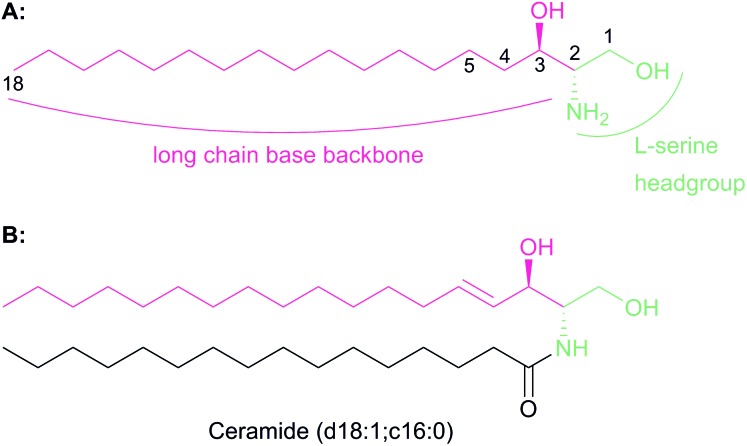
Fig. 1
Fig. 1. (A) Chemical structures of the sphingoid base backbone, which forms the core of all SLs. The l-serine derived moiety is highlighted in green and the fatty acyl-CoA moiety is highlighted in pink. The C1 and C2 hydroxyl and amines, the sites of further modification which generates complex SLs, are also highlighted. (B) N-Acylation of the sphingoid base generates ceramide. Shown is atypical ceramide derived from palmitoyl-CoA and N-acylation with C16-CoA (d18:1; c16:0). Further complexity is added by addition of head groups to the C1 hydroxyl.
Fig. 2
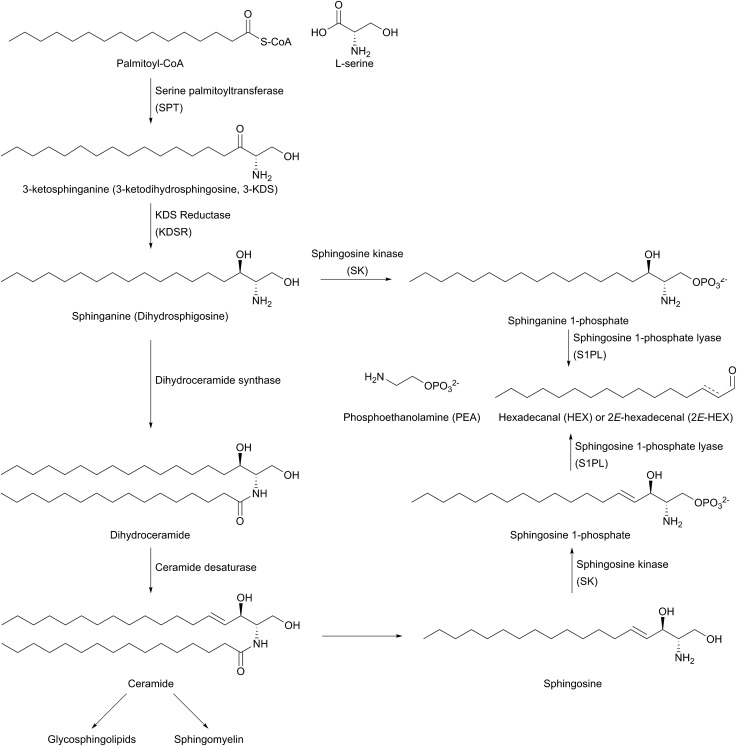
Fig. 2. General overview of the SL biosynthesis pathway. There are, however, variations in the different types of sphingoid bases and ceramides produced across different organisms. As such, this general overview omits details such as C4 hydroxylation to produce phytosphingosine in plants, yeast and fungi.
Fig. 3
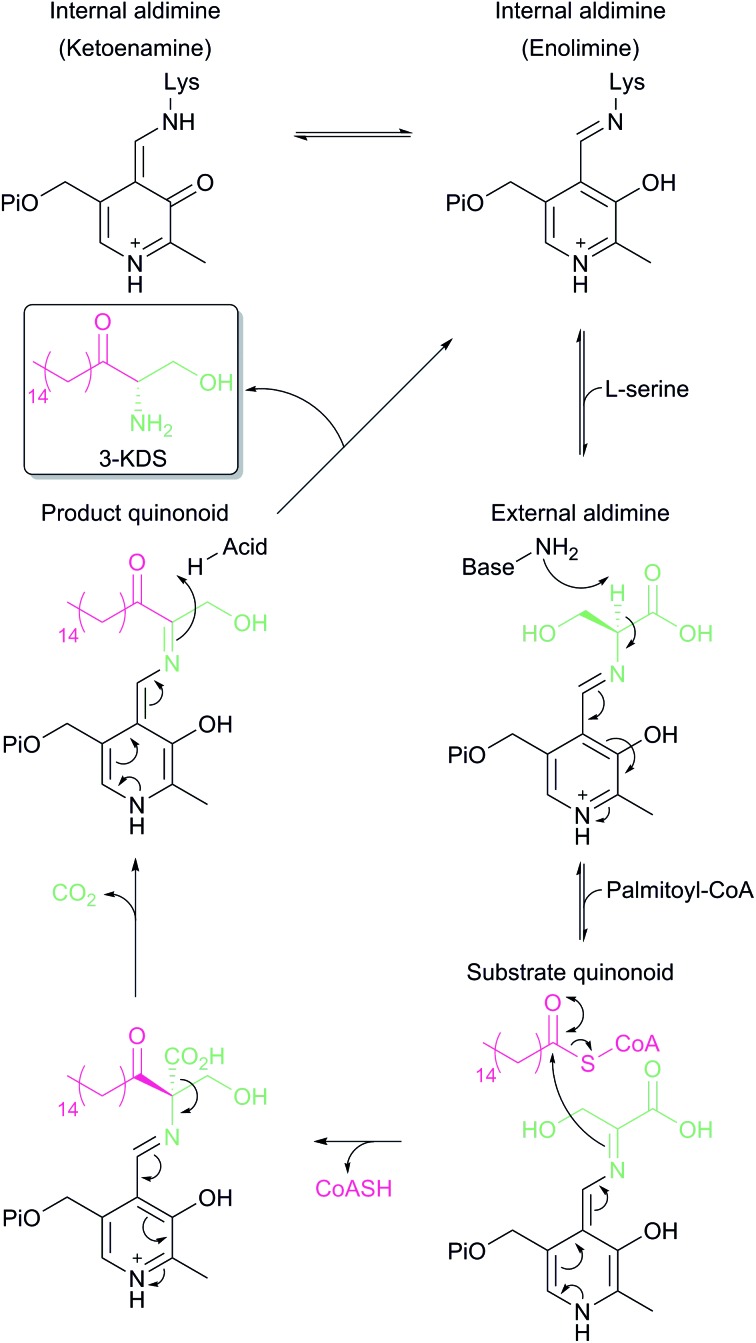
Fig. 3. Proposed catalytic mechanism for SPT based on studies performed on Sphingomonas SPT and by analogy to other AOS family members. Briefly, binding of l-serine displaces PLP bound as an internal aldimine (Schiff's base) to the conserved active site lysine to form a PLP:l-serine external aldimine. Acyl-CoA binding causes abstraction of the α-proton from l-serine. Electron rebound onto the acyl-CoA thioester forms the C–C bond and releases free CoASH. Subsequent decarboxylation and displacement by the lysine side chain releases the 3-KDS product and re-forms the internal aldimine.
Fig. 4
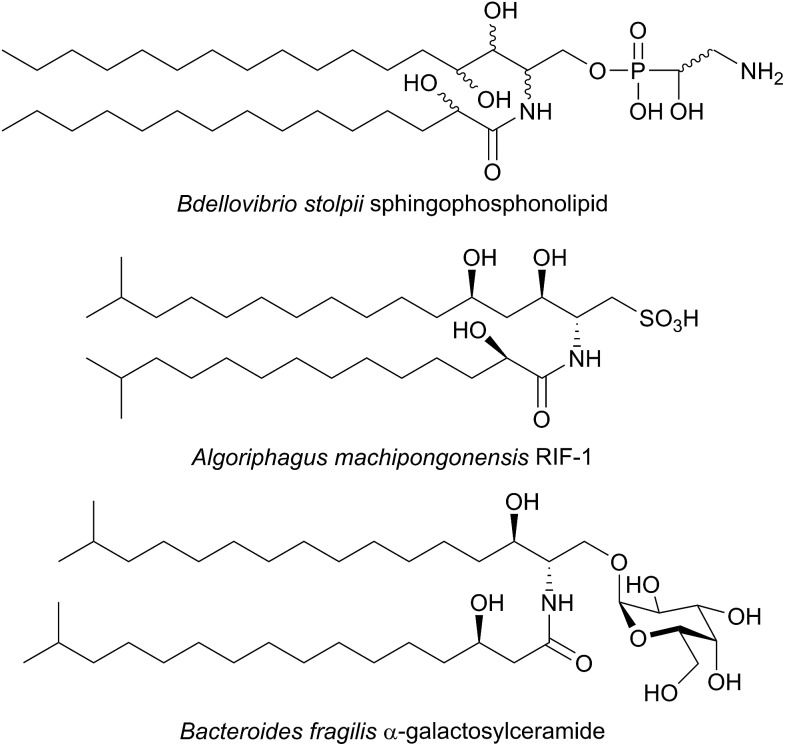
Fig. 4. Structures of unusual bacterial sphingolipids. Bdellovibrio stolpii sphingophosphonolipid (stereochemistry not reported), RIF-1 from Algoriphagus machipongonensis and Bacteroides fragilis isobranched galactosylceramide.
Fig. 5
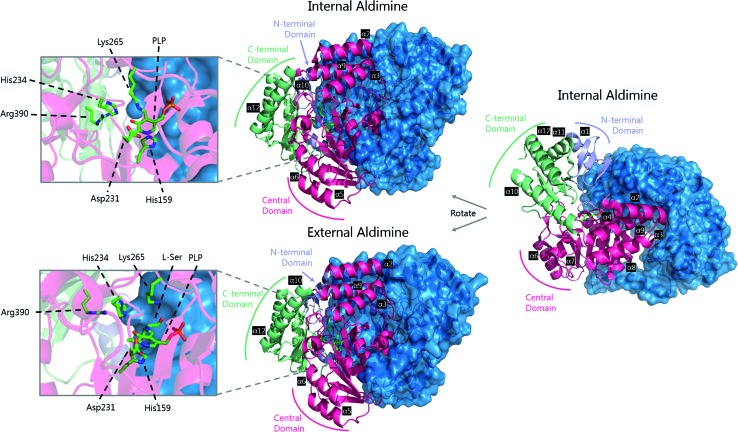
Fig. 5. The 3D structures of S. paucimobilis SPT in the internal aldimine (top, PDB: ; 2JG2) and external aldimine (bottom, PDB: ; 2W8J) forms. The active sites are shown, highlighting key residues. To highlight the dimeric nature of SPT, one of the SPT monomers is shown in ribbon form, whilst the other is shown as a surface representation. An overlay of the active sites in the internal and external aldimine forms is shown in Fig. 6.
Fig. 6
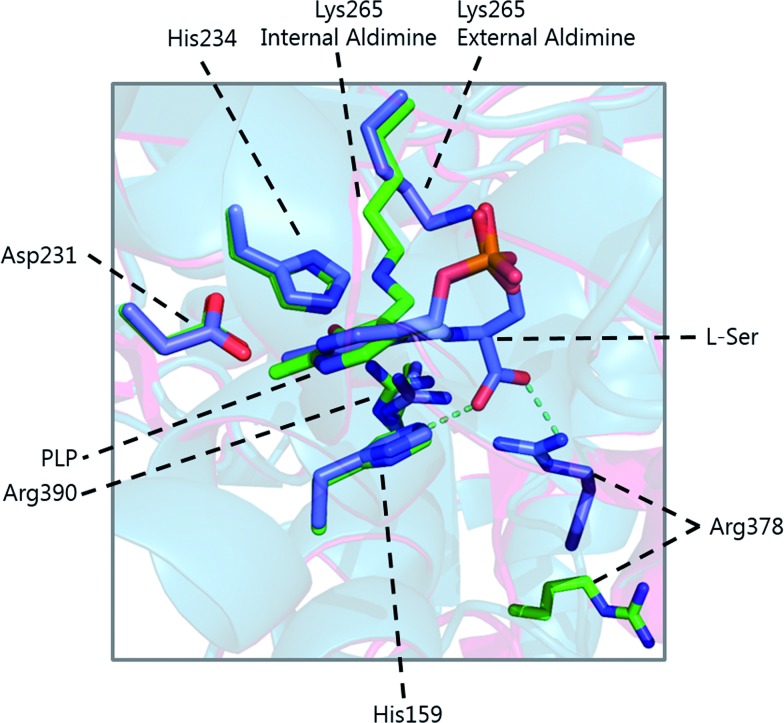
Fig. 6. Overlay of the internal (green carbon atoms) and external (purple carbon atoms) of S. paucimobilis SPT. Hydrogen bonds of l-serine to His159 and Arg378 are also shown. The large movement of Arg378 from the internal to external aldimine forms is evident.
Fig. 7
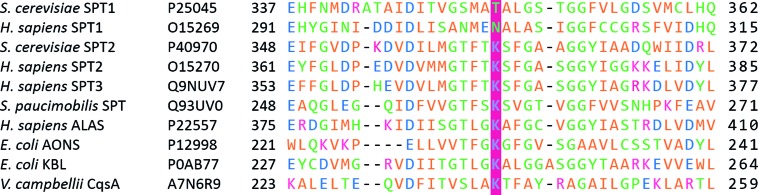
Fig. 7. Partial sequence alignment of serine palmitoyltransferases with other AOS family members (ALAS, CqsA, KBL and BioF), highlighting the conserved lysine residue which is not present in the SPT1 subunits of SPT heterodimers.
Fig. 8
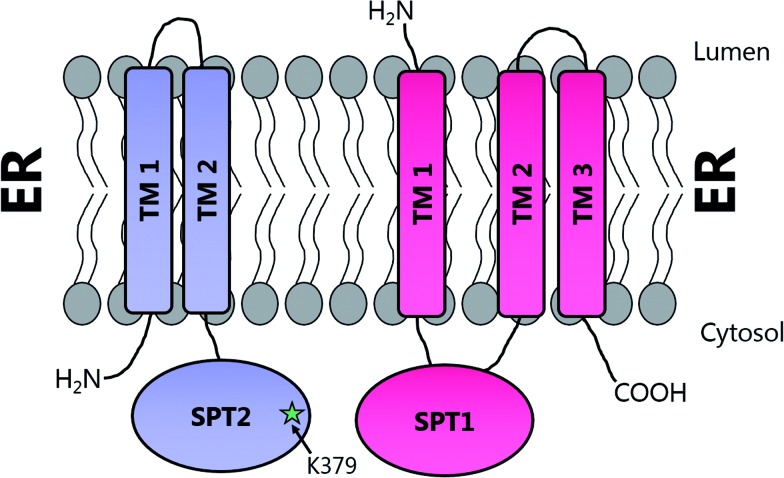
Fig. 8. Proposed transmembrane domain topologies of human SPT1 and SPT2 within the ER membrane. The active site lysine required for PLP binding is located on SPT2.
Fig. 9
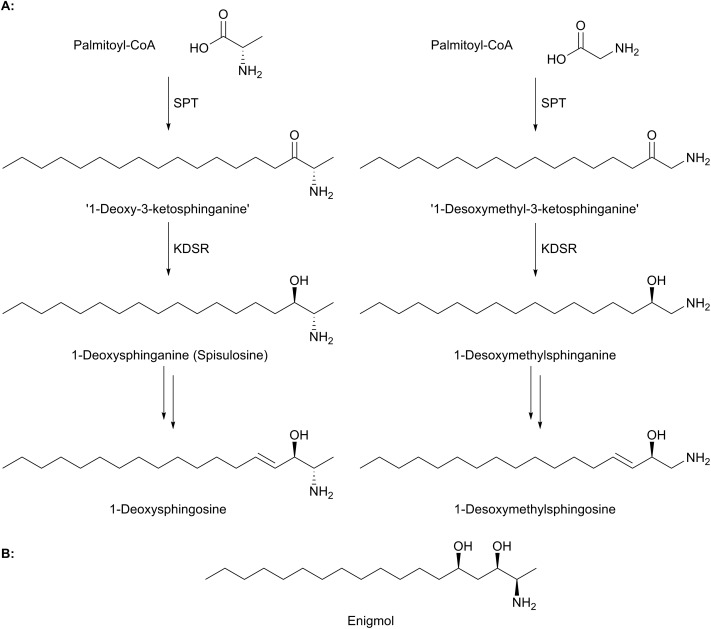
Fig. 9. (A) Structures of deoxy-SLs formed from the condensation of palmitoyl-CoA with l-alanine (left) and glycine (right) forming ‘1-deoxy-3-ketosphinganine’ from l-alanine and ‘1-desoxymethyl-3-ketosphingaine’ from glycine. These are reduced to 1-deoxysphinganine and 1-desoxymethylsphinganine respectively and then further metabolised to 1-deoxysphingosine and 1-desoxymethylsphingosine. It should be noted that addition of the double bonds at C4 and C14 probably occurs to the N-acyl-deoxysphingoid base. (B) Structure of the natural product deoxyl-SL enigmol.
Fig. 10
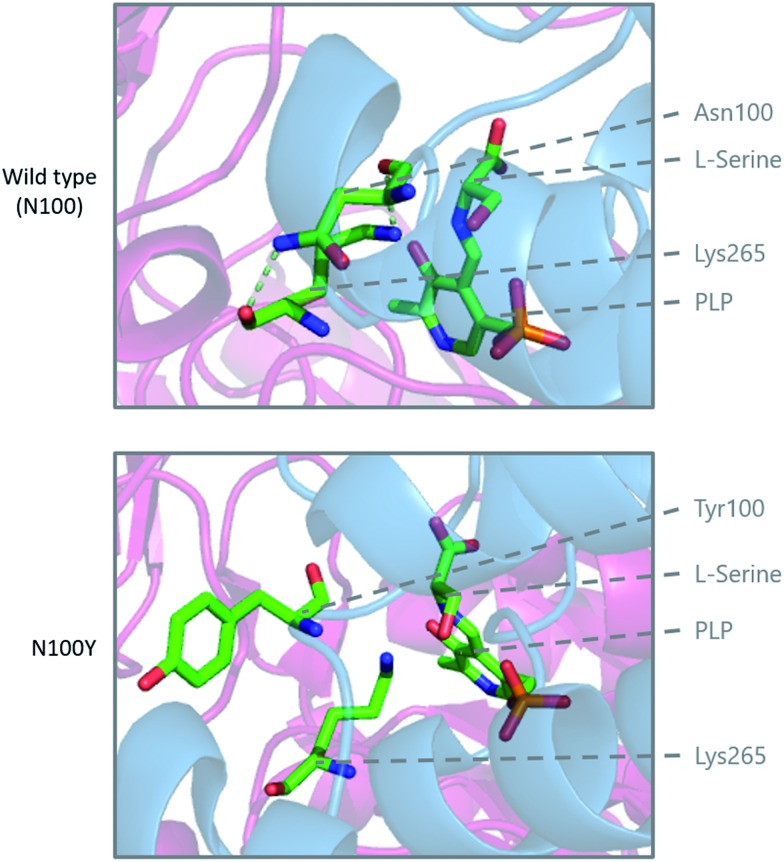
Fig. 10. Modelling of the HSAN1 causing C133Y mutation of human SPT in S. paucimobilis SPT (N100Y, PDB: ; 2W8W), highlighting the structural changes which are proposed to affect the dimer interface and loss of hydrogen binding interactions in the active site.
Fig. 11
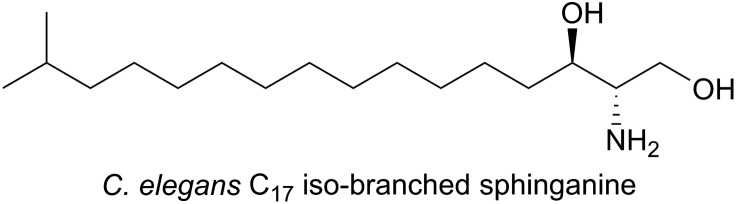
Fig. 11. Structure of the C17 iso-branched sphinganine from C. elegans.
Fig. 12
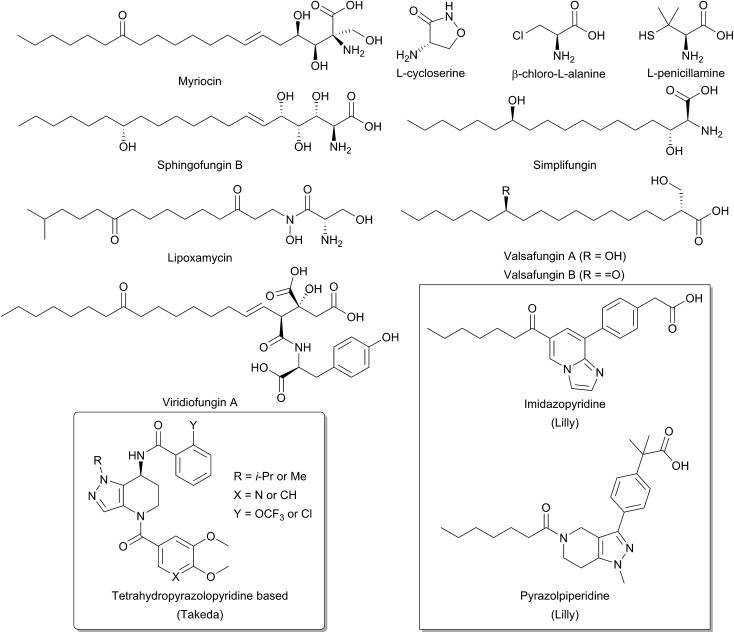
Fig. 12. Structures of natural product and synthetic inhibitors of bacterial and mammalian SPTs. Takeda and Lilly synthetic inhibitors are highlighted in curved and square boxes respectively.
Fig. 13
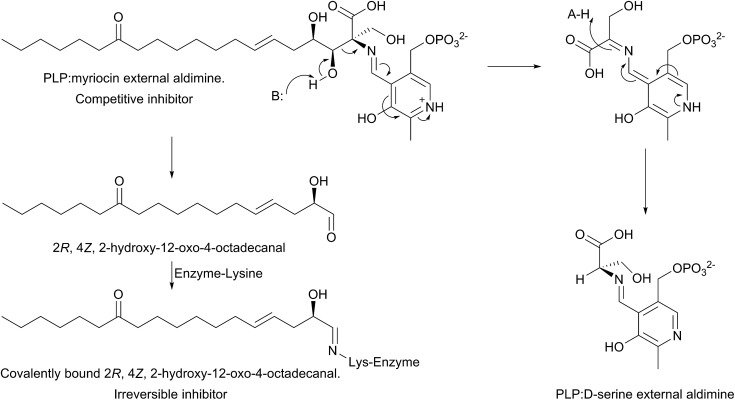
Fig. 13. Proposed dual mechanism of inhibition of S. paucimobilis SPT by myriocin, in which the PLP:myriocin external aldimine undergoes a retro-aldol like cleavage, resulting in an aldehyde that covalently modifies the active site lysine (as a Schiff base) and formation of a PLP:d-serine external aldimine complex.
Fig. 14
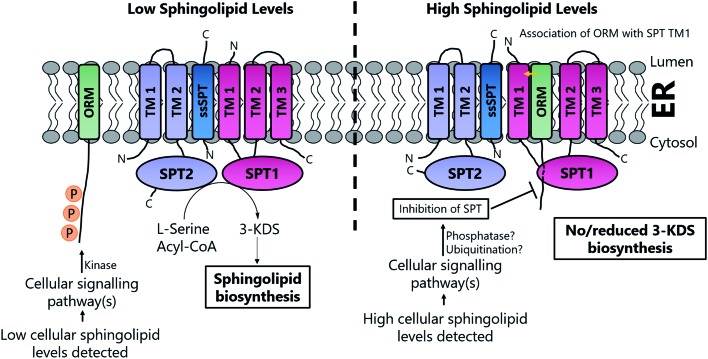
Fig. 14. Proposed mechanisms of regulation of SPT under high and low cellular SL levels in yeast. At low cellular SL concentrations, the ORM proteins are phosphorylated by a kinase, which prevents association with and inhibition of SPT. However, under high SL conditions, the ORMs are non-phosphorylated, allowing interaction with TM1 of SPT1, inhibiting 3-KDS biosynthesis.
Fig. 15
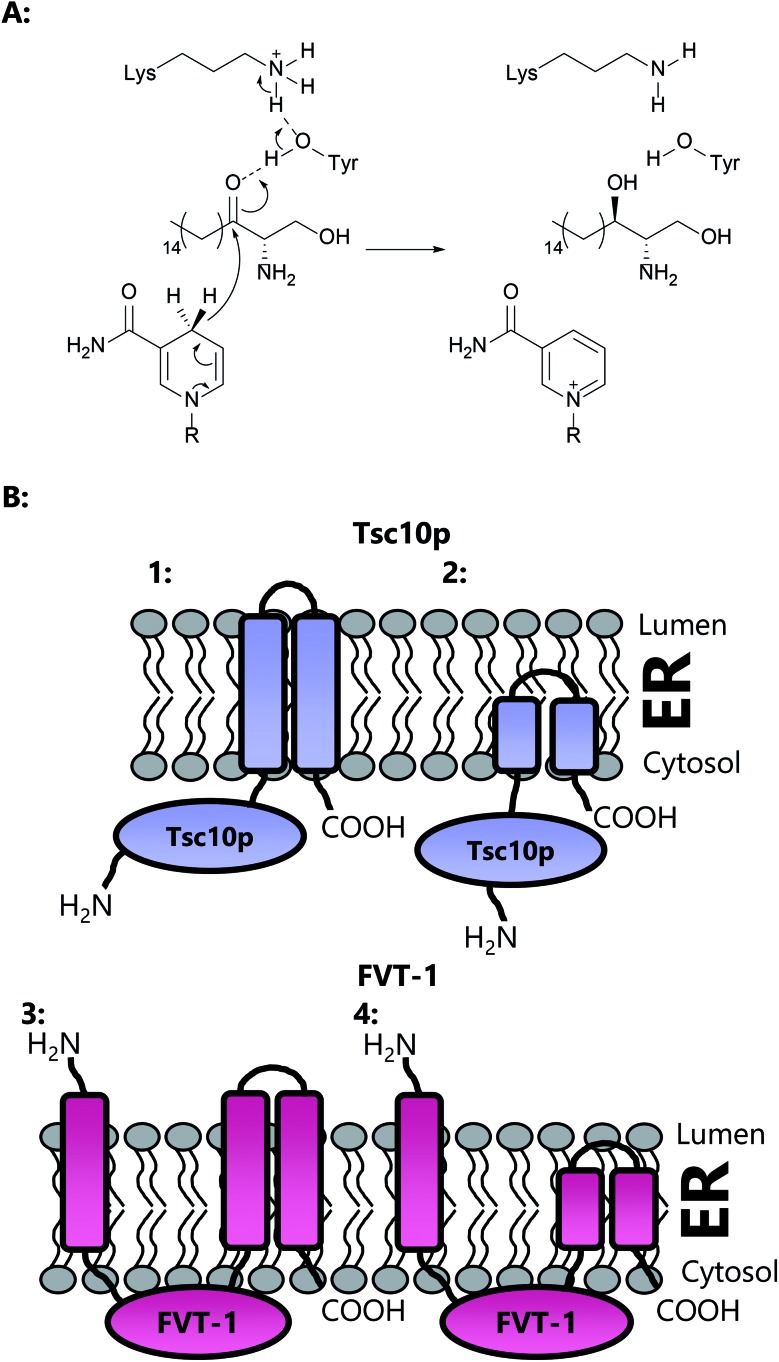
Fig. 15. (A) Proposed mechanism of the NADPH-dependent, KDSR-catalysed reduction of 3-KDS that converts the 3-keto group of 3-KDS to give DHS. (B) Proposed topologies of Tsc10p (1 & 2) and FVT-1 (3 & 4) within the ER membrane.
Fig. 16
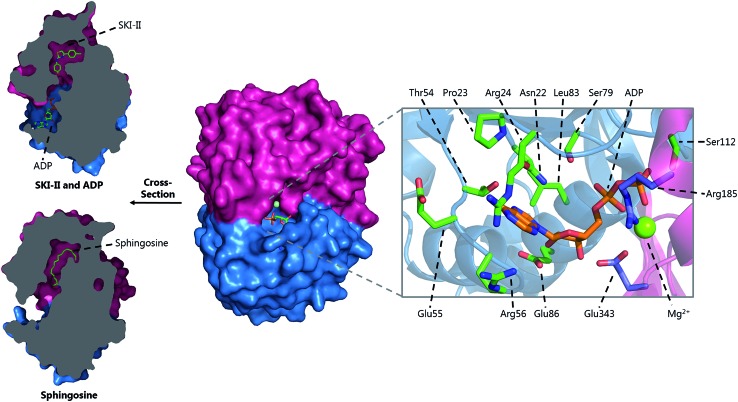
Fig. 16. 3D structure of human SK1 homodimer with the inhibitor SKI-II/ADP bound (PDB: 3VZD) and sphingosine bound (PDB: ; 3VZB). The ADP binding site is highlighted, showing the residues required for substrate binding, provided by both subunits.
Fig. 17
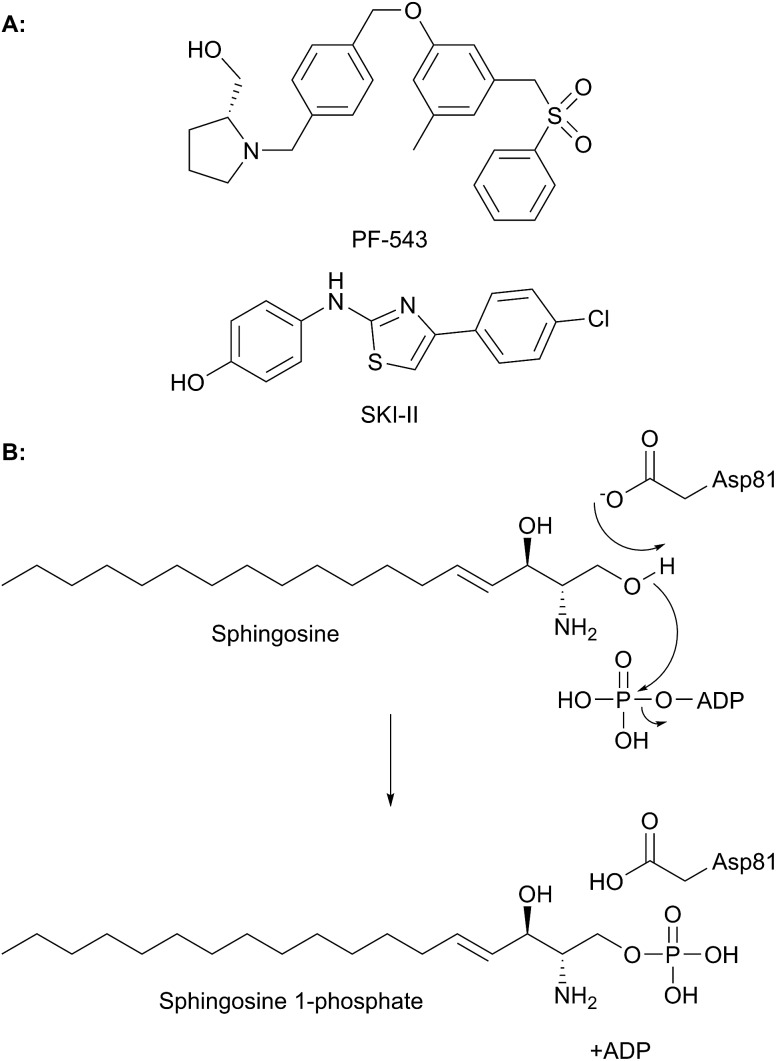
Fig. 17. (A) Structures of the SK inhibitors PF-543 and SKI-II. (B) Mechanism of phosphorylation of sphingosine by SK1.
Fig. 18
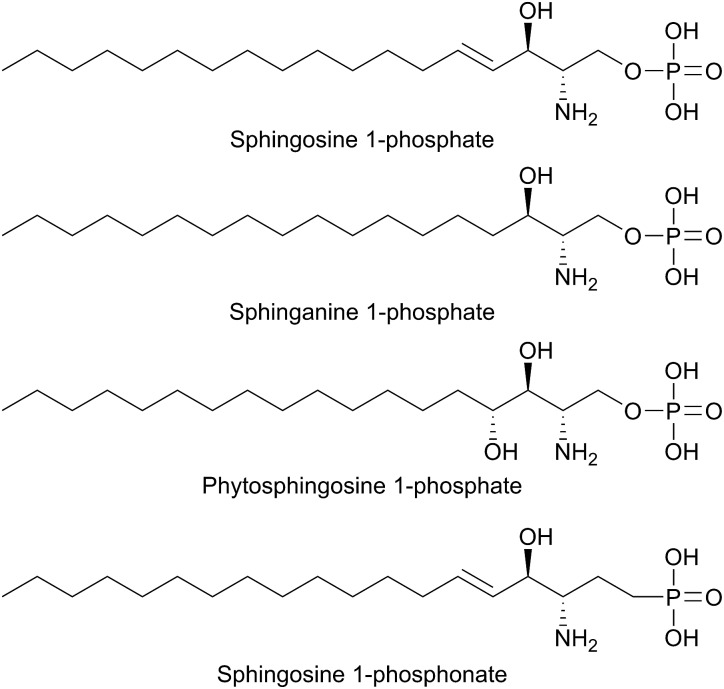
Fig. 18. Structures of the S1PL substrates sphingosine 1-phosphate, sphinganine 1-phosphate, phytosphingosine 1-phosphate and sphingosine 1-phosphonate.
Fig. 19
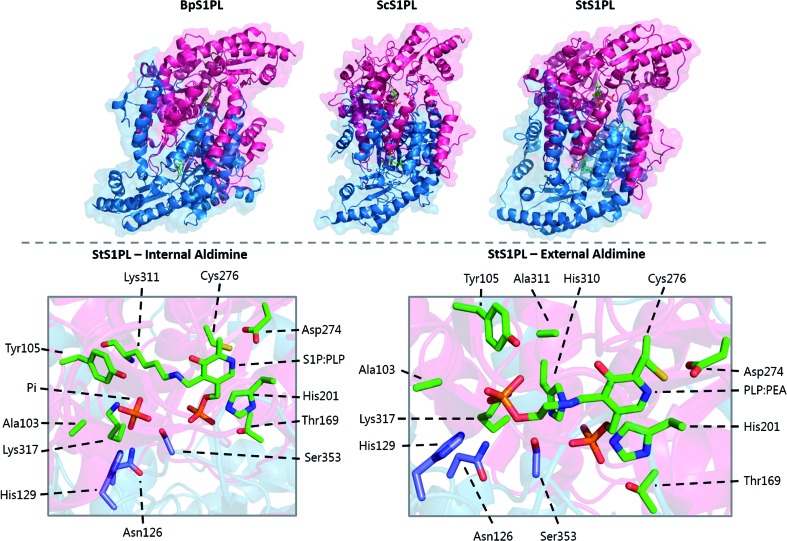
Fig. 19. 3D structures of S1PLs from B. pseudomallei, S. cerevisiae and S. thermophilum. The internal aldimine (PLP cofactor covalently bound to Lys311) and product external aldimine (PLP–PEA non-covalently bound to the K311A mutant) forms of S. thermophilum are also shown, highlighting the residues involved in substrate binding and catalysis.
Fig. 20
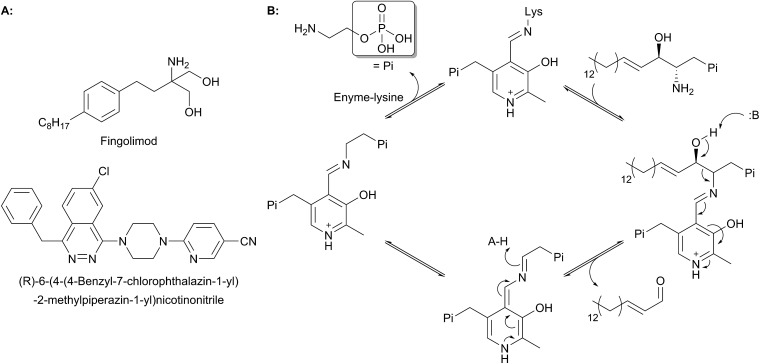
Fig. 20. (A) Structure of FTY720 and the S1PL inhibitor (R)-6-(4-(4-benzyl-7-chlorophthalazin-1-yl)-2-methylpiperazin-1-yl)nicotinonitrile. (B) Proposed mechanism of S1P cleavage by S1PL, which involves the retro-aldol like cleavage of S1P.
None
Peter. J. Harrison
None
Teresa. M. Dunn
None
Dominic. J. Campopiano

References

    1. Thudichum J. L. W., A Treatise on the Chemical Constitution of the Brain, 1884.
    1. Harayama T., Riezman H. Nat. Rev. Mol. Cell Biol. 2018;19:281–296. - PubMed
    1. Obeid L., Linardic C., Karolak L., Hannun Y. Science. 1993;259:1769–1771. - PubMed
    1. Okazaki T., Bell R. M., Hannun Y. A. J. Biol. Chem. 1989;264:19076–19080. - PubMed
    1. Hannun Y. A., Obeid L. M. Nat. Rev. Mol. Cell Biol. 2017;19:175–191. - PMC - PubMed

Publication types

MeSH terms

Substances

LinkOut - more resources