


Posterior Cruciate Ligament Avulsion Fractures
- PMID: 29869136
- PMCID: PMC6105473
- DOI: 10.1007/s12178-018-9491-2
Posterior Cruciate Ligament Avulsion Fractures
Abstract
Purpose of review: The purposes of this review are to (1) discuss the epidemiology and workup of the rare posterior cruciate ligament (PCL) avulsion fracture, (2) review the indications for nonoperative and operative management of patients with PCL avulsion fractures, (3) examine surgical outcomes in this patient population, and (4) discuss the authors' preferred management algorithm and surgical approach.
Recent findings: In accordance with the rarity of these injuries, the literature is sparse regarding surgical outcomes. Many of these injuries are in the setting of a multi-ligamentous injury. Most authors suggest that displaced PCL avulsion fractures should undergo operative fixation and current data suggests excellent outcomes when treating these patients with either open or arthroscopic fixation, with a low complication rate. PCL avulsion fractures, although rare, should undergo fixation when displacement is present. Current studies report successful outcomes and a low complication rate.
Keywords: Avulsion fracture; PCL facet; Posterior cruciate ligament (PCL).
Conflict of interest statement
Conflict of Interest
All authors declare that they have no conflict of interest.
Human and Animal Rights and Informed Consent
This article does not contain any studies with human or animal subjects performed by any of the authors.
Figures
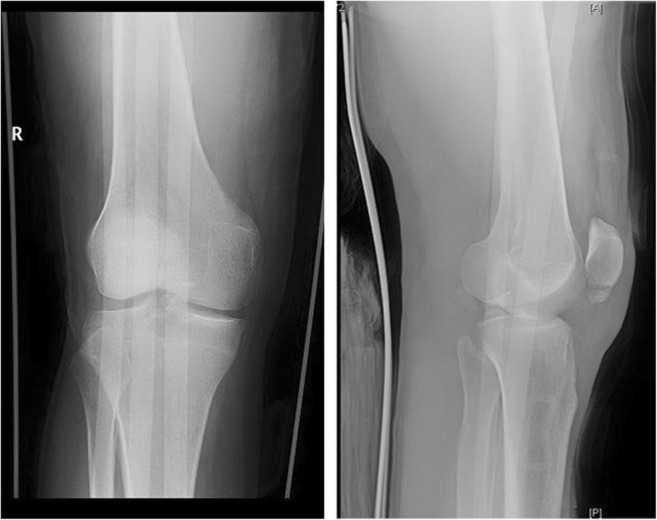
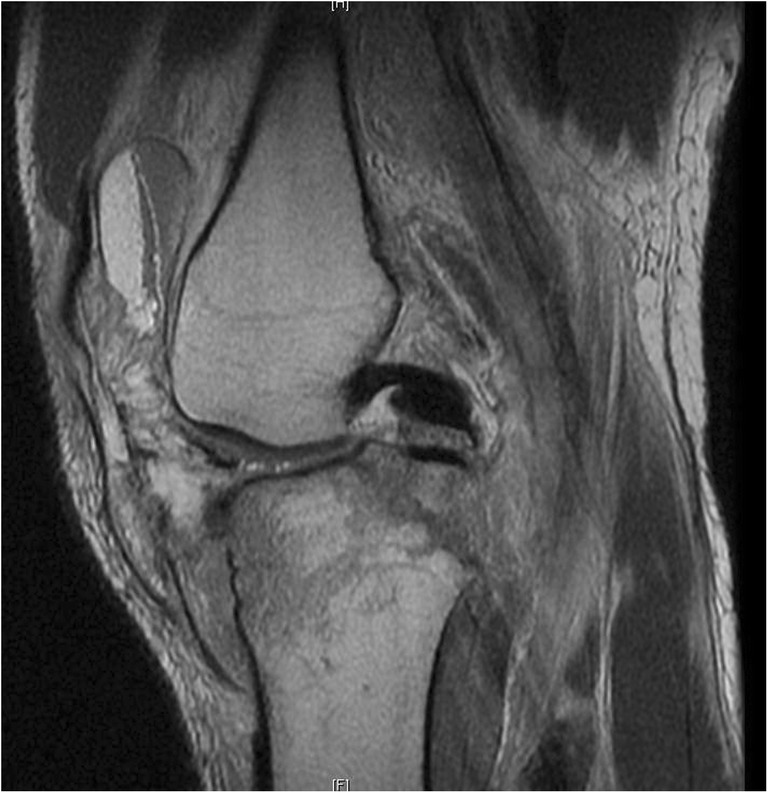
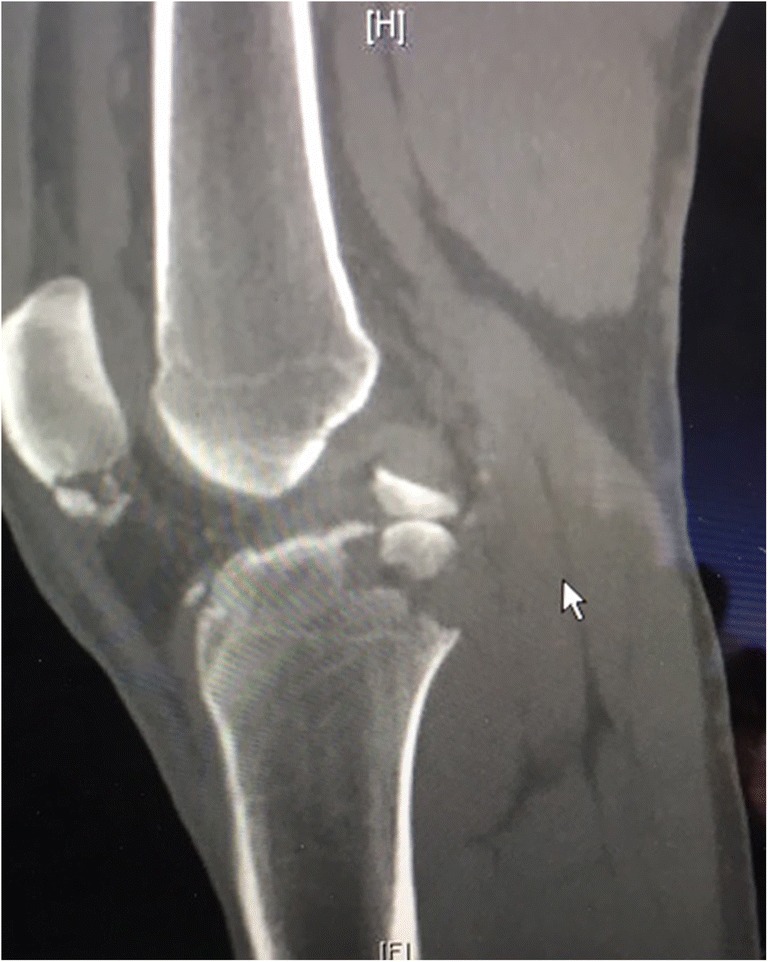
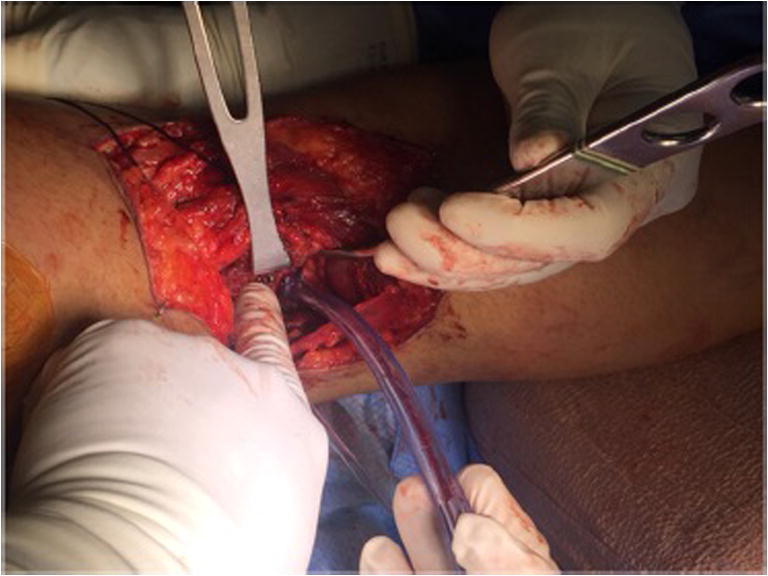
References
-
- • Hooper PO. Management of posterior cruciate ligament tibial avulsion injuries: a systematic review. Am J Sports Med. Most complete and upto date systematic review of outcomes of open and arthroscopic approaches to PCL avulsion fractures. This paper eveluates 28 studies from 1975 to the date of publication. They conclude that similar outcomes are achieved with both techniques. Arthroscopic approach allows for treament of concomitant intraarticular pathology.
-
- Fanelli GC. Posterior cruciate ligament injuries in trauma patients: Part II. Arthroscopy. 11(5):526–9. - PubMed
-
- Janousek AT. Posterior cruciate ligament injuries of the knee joint. Sports Med (Auckland). 28(6):429–41. - PubMed
-
- Mariani PP. Surgical treatment of posterior cruciate ligament and posterolateral corner injuries. An anatomical, biomechanical and clinical review. Knee. 10(4):311–24. - PubMed
Publication types
LinkOut - more resources
Full Text Sources
Other Literature Sources
Research Materials
