


Antimicrobial peptide-loaded liquid crystalline precursor bioadhesive system for the prevention of dental caries
- PMID: 29872295
- PMCID: PMC5975612
- DOI: 10.2147/IJN.S155245
Antimicrobial peptide-loaded liquid crystalline precursor bioadhesive system for the prevention of dental caries
Abstract
Background: Anticaries agents must interfere with the adhesion of Streptococcus mutans and its proliferation in dental biofilm, without causing host toxicity and bacterial resistance. Natural substances, including cationic antimicrobial peptides (CAMPs) and their fragments, such as β-defensin-3 peptide fragment (D1-23), have been widely studied. However, the chemical and physical stability of CAMPs may be compromised by external factors, such as temperature and pH, reducing the period of antimicrobial activity.
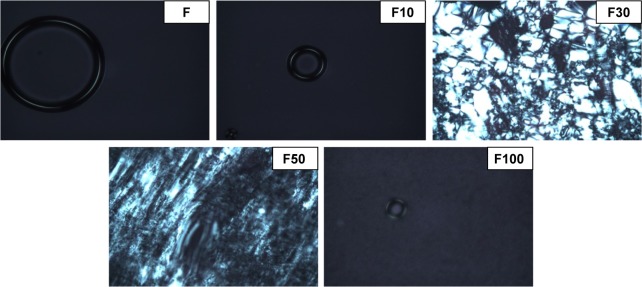
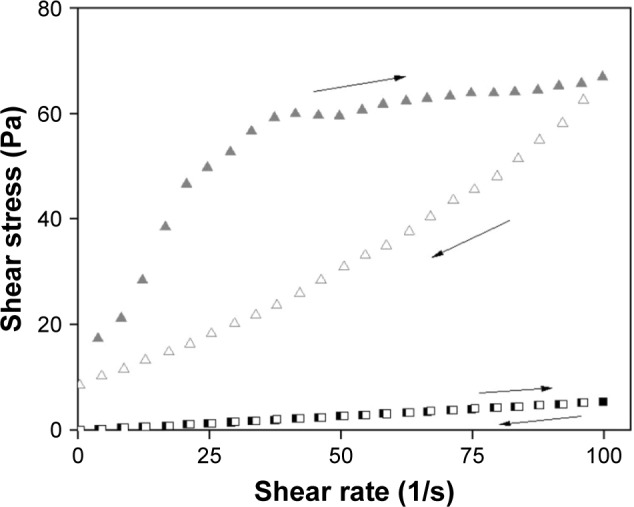
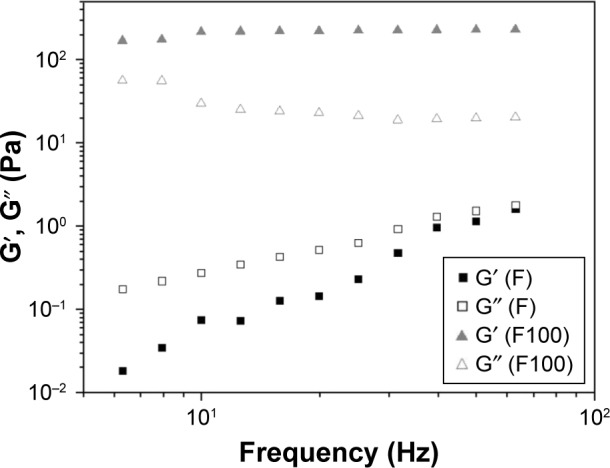
Methods: To overcome the aforementioned disadvantage, this study developed and character-ized a drug delivery system and evaluated the cytotoxicity and effect against S. mutans biofilm of a D1-23-loaded bioadhesive liquid crystalline system (LCS). LCS was composed of oleic acid, polyoxypropylene-(5)-polyoxyethylene-(20)-cetyl alcohol, Carbopol® 974P and Carbopol® 971P. LCS was analyzed by polarized light microscopy (PLM), rheology (viscoelasticity and flow properties) and in vitro bioadhesion. The viability of epithelial cells was evaluated. Minimal inhibitory concentration (MIC) and minimal bactericidal concentration (MBC) against S. mutans were determined for D1-23 for further evaluation of the effect against S. mutans biofilm after 4 and 24 h of exposure to treatments.
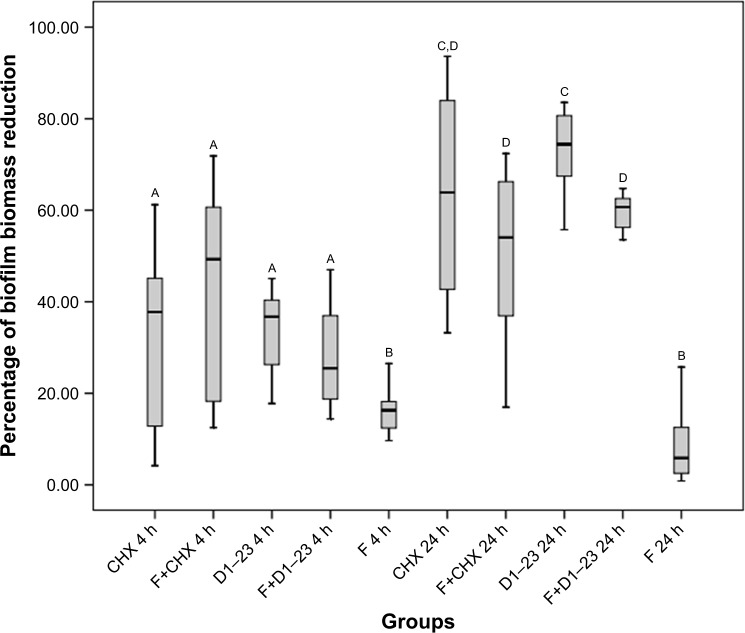
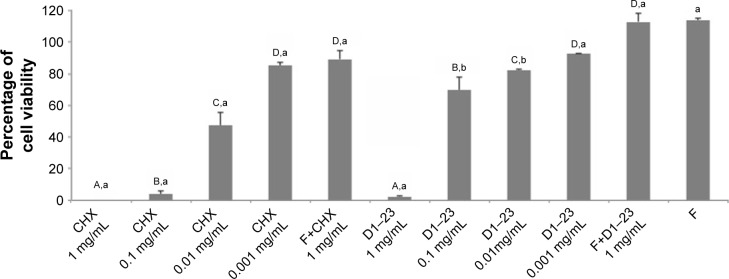
Results: PLM, rheology, and in vitro bioadhesion tests showed that both viscosity and bioadhesion of LCS increased after it was diluted with artificial saliva. D1-23-loaded LCS system presented better activity against S. mutans biofilm after 24 h when compared to 4 h of treatment, showing a cumulative effect. Neither LCS nor D1-23-loaded LCS presented toxicity on human epithelial cells.
Conclusion: D1-23-loaded LCS is a promising drug delivery system for the prevention of dental caries.
Keywords: Streptococcus mutans; biofilm; dental caries; drug delivery system; peptide fragments.
Conflict of interest statement
Disclosure The authors report no conflicts of interest in this work.
Figures
References
-
- Fejerskov O. Concepts of dental caries and their consequences for understanding the disease. Community Dent Oral Epidemiol. 1997;25(1):5–12. - PubMed
-
- Takahashi N, Nyvad B. The role of bacteria in the caries process: ecological perspectives. J Dent Res. 2011;90(3):294–303. - PubMed
-
- Freires IA, Rosalen PL. How natural product research has contributed to oral care products development? A critical view. Pharm Res. 2016;33(6):1311–1317. - PubMed
-
- Gorr SU, Abdolhosseini M. Antimicrobial peptides and periodontal disease. J Clin Periodontol. 2011;38(Suppl 11):126–141. - PubMed
MeSH terms
Substances
LinkOut - more resources
Full Text Sources
Other Literature Sources
Medical
