


Cardiovascular Disease in Survivors of Childhood Cancer: Insights Into Epidemiology, Pathophysiology, and Prevention
- PMID: 29874141
- PMCID: PMC6804893
- DOI: 10.1200/JCO.2017.76.3920
Cardiovascular Disease in Survivors of Childhood Cancer: Insights Into Epidemiology, Pathophysiology, and Prevention
Abstract
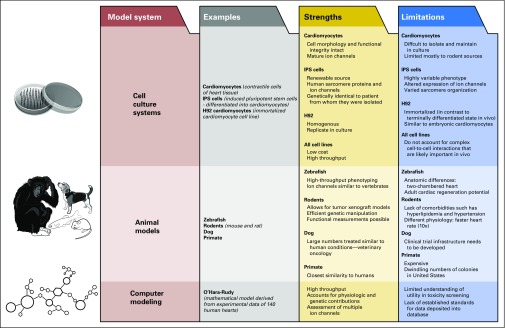
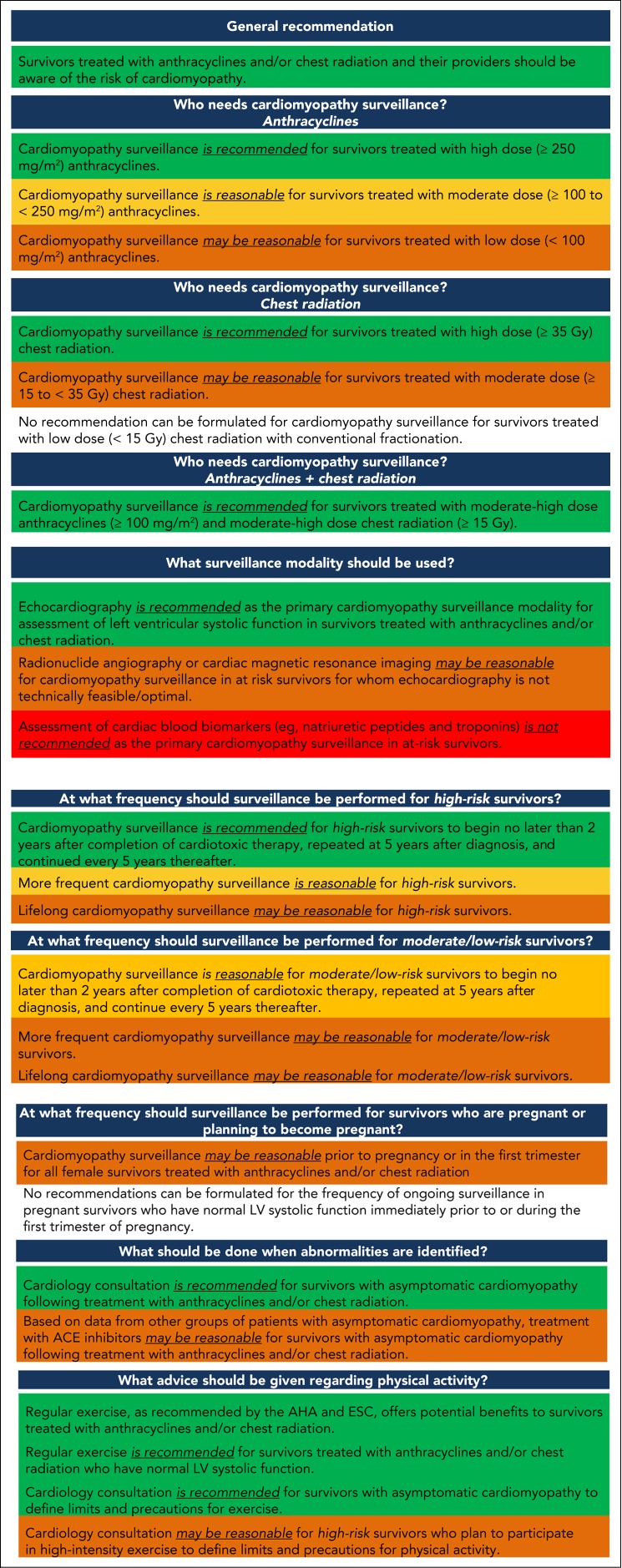
Cardiovascular disease (CVD), which includes cardiomyopathy/heart failure, coronary artery disease, stroke, pericardial disease, arrhythmias, and valvular and vascular dysfunction, is a major concern for long-term survivors of childhood cancer. There is clear evidence of increased risk of CVD largely attributable to treatment exposures at a young age, most notably anthracycline chemotherapy and chest-directed radiation therapy, and compounded by traditional cardiovascular risk factors accrued during decades after treatment exposure. Preclinical studies are limited; thus, it is a high priority to understand the pathophysiology of CVD as a result of anticancer treatments, taking into consideration the growing and developing heart. Recently developed personalized risk prediction models can provide decision support before initiation of anticancer therapy or facilitate implementation of screening strategies in at-risk survivors of cancer. Although consensus-based screening guidelines exist for the application of blood and imaging biomarkers of CVD, the most appropriate timing and frequency of these measures in survivors of childhood cancer are not yet fully elucidated. Longitudinal studies are needed to characterize the prognostic importance of subclinical markers of cardiovascular injury on long-term CVD risk. A number of prevention trials across the survivorship spectrum are under way, which include primary prevention (before or during cancer treatment), secondary prevention (after completion of treatment), and integrated approaches to manage modifiable cardiovascular risk factors. Ongoing multidisciplinary collaborations between the oncology, cardiology, primary care, and other subspecialty communities are essential to reduce therapeutic exposures and improve surveillance, prevention, and treatment of CVD in this high-risk population.
Figures
References
-
- Lipshultz SE, Adams MJ, Colan SD, et al. : Long-term cardiovascular toxicity in children, adolescents, and young adults who receive cancer therapy: Pathophysiology, course, monitoring, management, prevention, and research directions: A scientific statement from the American Heart Association. Circulation 128:1927-1995, 2013. [Erratum: Circulation 128:e394, 2013] - PubMed
-
- Bowers DC, McNeil DE, Liu Y, et al. : Stroke as a late treatment effect of Hodgkin’s disease: A report from the Childhood Cancer Survivor Study. J Clin Oncol 23:6508-6515, 2005 - PubMed
-
- van der Pal HJ, van Dalen EC, van Delden E, et al. : High risk of symptomatic cardiac events in childhood cancer survivors. J Clin Oncol 30:1429-1437, 2012 - PubMed
Publication types
MeSH terms
Substances
Grants and funding
LinkOut - more resources
Full Text Sources
Other Literature Sources
Medical
