


Community differentiation of bacterioplankton in the epipelagic layer in the South China Sea
- PMID: 29876071
- PMCID: PMC5980402
- DOI: 10.1002/ece3.4064
Community differentiation of bacterioplankton in the epipelagic layer in the South China Sea
Abstract
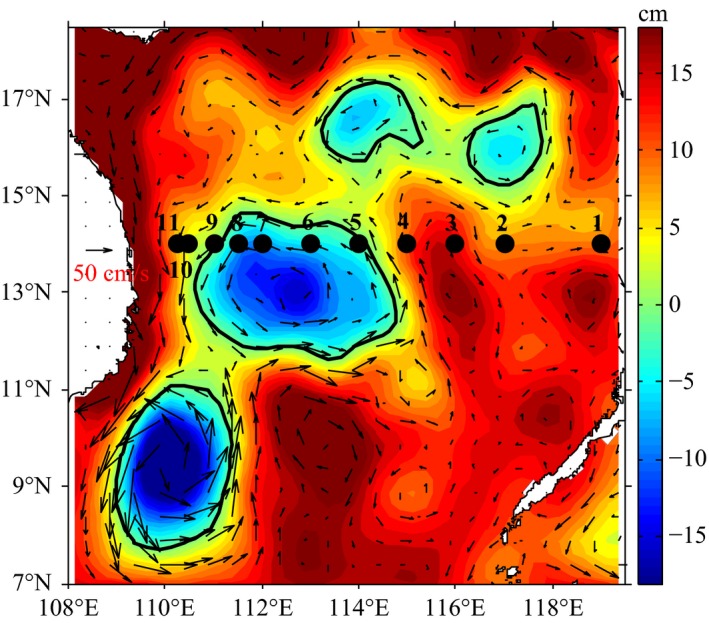
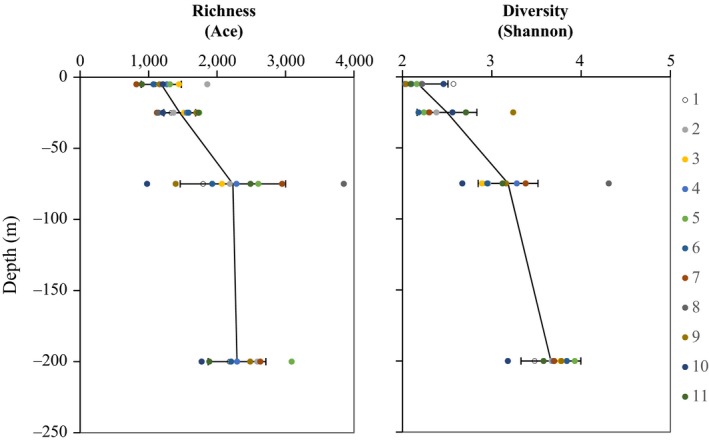
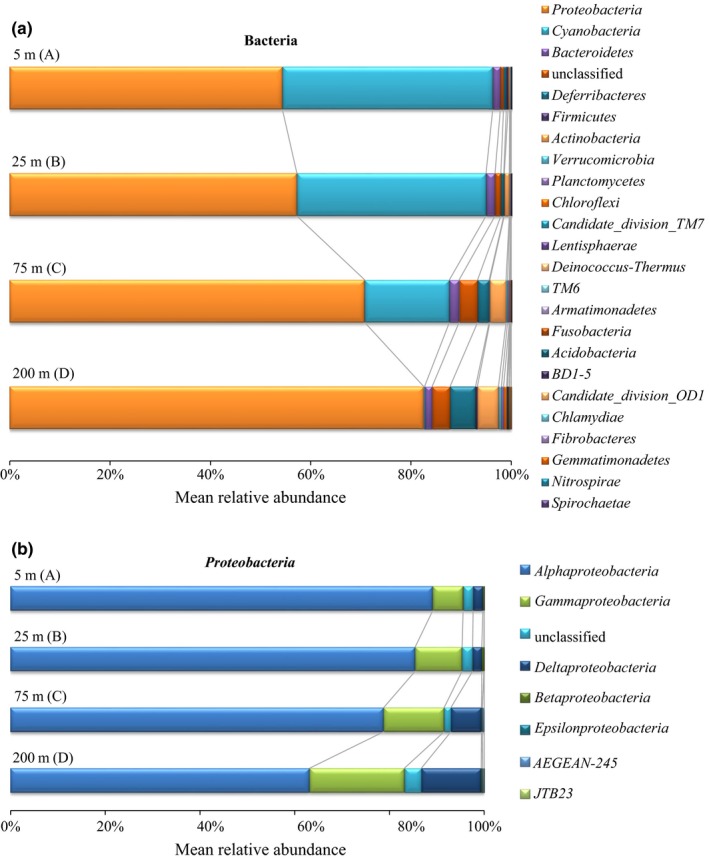
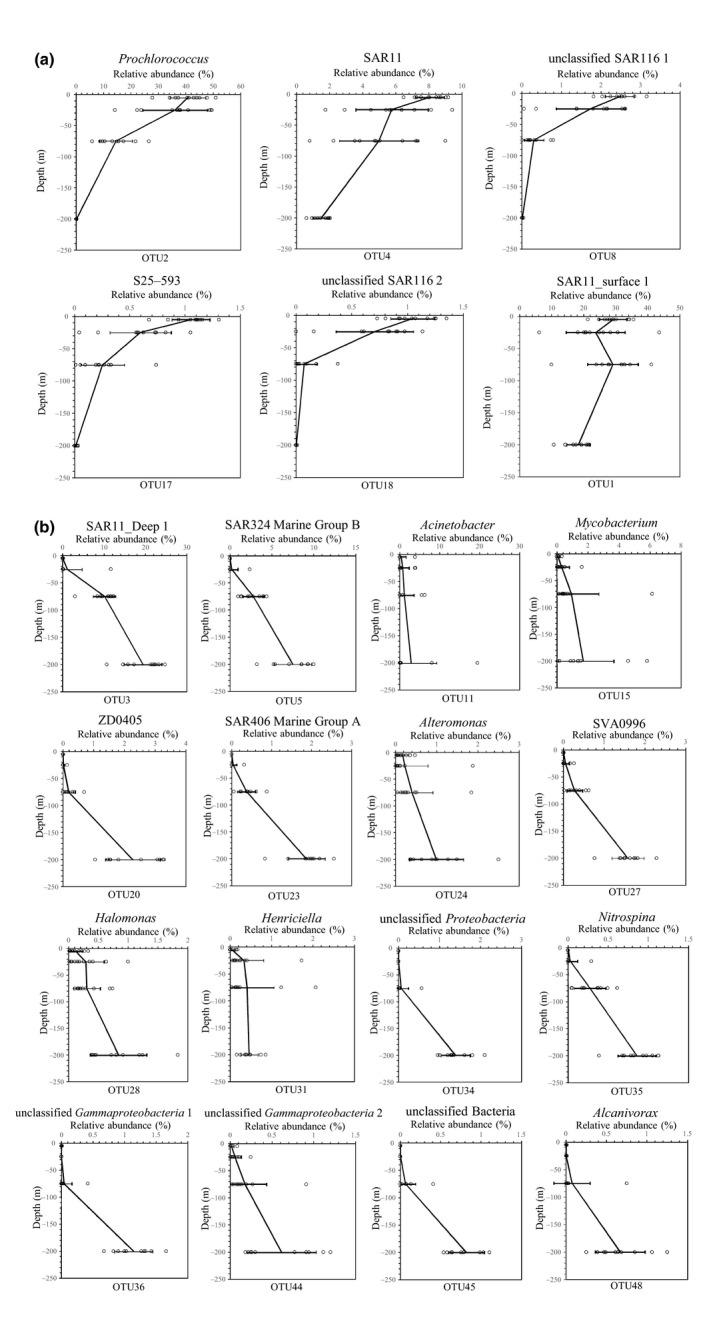
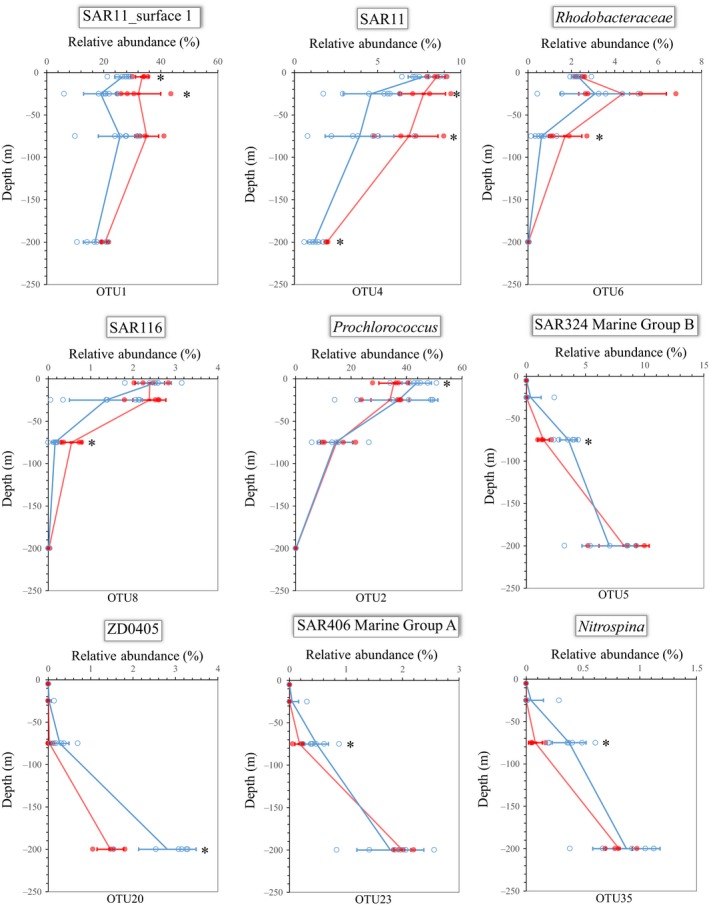
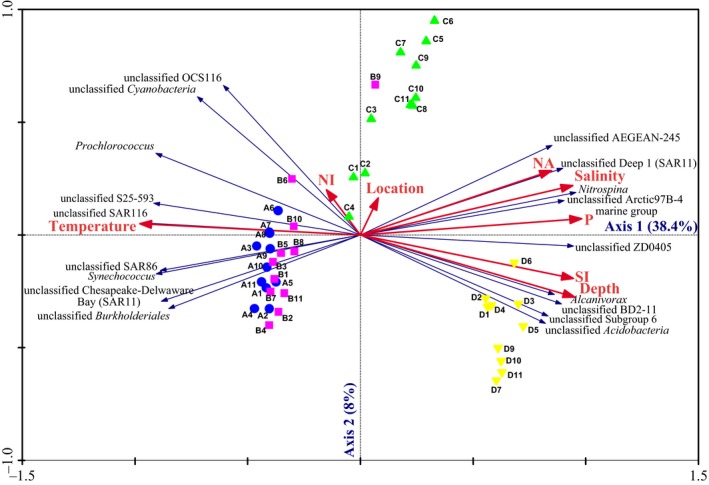
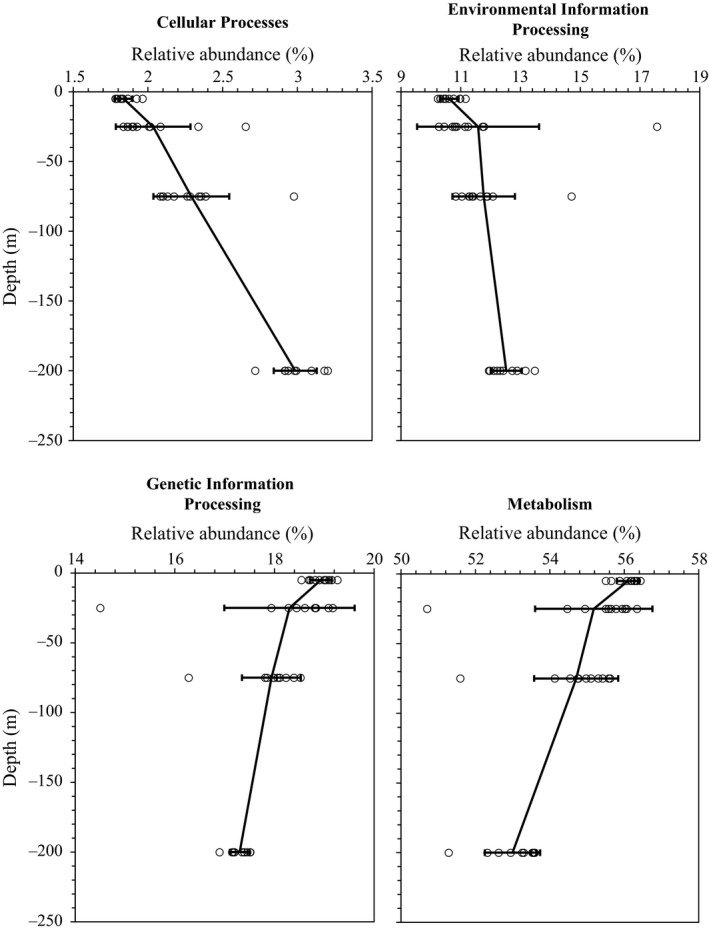
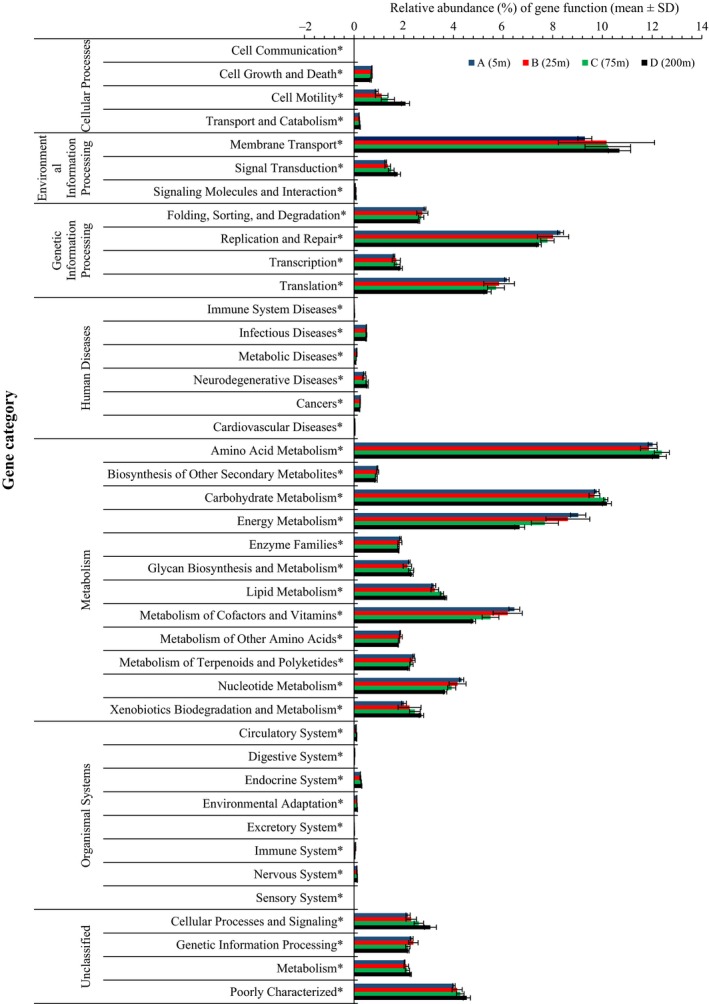
The South China Sea (SCS) is the largest marginal sea in the western tropical Pacific Ocean and is characterized by complex physicochemical environments. To date, the biogeographic patterns of the microbial communities have rarely been reported at a basin scale in the SCS. In this study, the bacterial assemblages inhabiting the epipelagic zone across 110°E to 119°E along 14°N latitude were uncovered. The vertical stratification of both bacterial taxa and their potential functions were revealed. These results suggest that the water depth-specific environment is a driver of the vertical bacterioplankton distribution. Moreover, the bacterial communities were different between the eastern stations and the western stations, where the environmental conditions were distinct. However, the mesoscale eddy did not show an obvious effect on the bacterial community due to the large distance between the sampling site and the center of the eddy. In addition to the water depth and longitudinal location of the samples, the heterogeneity of the phosphate and salinity concentrations also significantly contributed to the variance in the epipelagic bacterial community in the SCS. To the best of our knowledge, this study is the first to report that the variability in epipelagic bacterioplankton is driven by the physicochemical environment at the basin scale in the SCS. Our results emphasize that the ecological significance of bacterioplankton can be better understood by considering the relationship between the biogeographic distribution of bacteria and the oceanic dynamics processes.
Keywords: bacterioplankton community; epipelagic layer; functional traits; longitudinal distribution; pyrosequencing; stratification distribution.
Figures
References
-
- AgoguÉ, H. , Lamy, D. , Neal, P. R. , Sogin, M. L. , & Herndl, G. J. (2011). Water mass-specificity of bacterial communities in the North Atlantic revealed by massively parallel sequencing. Molecular Ecology, 20, 258–274. https://doi.org/10.1111/j.1365-294X.2010.04932.x - DOI - PMC - PubMed
-
- Azam, F. , Fenchel, T. , Field, J. G. , Gray, J. S. , Meyer-Reil, L. A. , & Thingstad, F. (1983). The ecological role of water-column microbes in the sea. Marine Ecology Progress Series, 10, 257–263. https://doi.org/10.3354/meps010257 - DOI
-
- Baltar, F. , Aristegui, J. , Gasol, J. M. , Lekunberri, I. , & Herndl, G. J. (2010). Mesoscale eddies: Hotspots of prokaryotic activity and differential community structure in the ocean. The ISME Journal, 4, 975–988. https://doi.org/10.1038/ismej.2010.33 - DOI - PubMed
-
- Bork, P. , Bowler, C. , de Vargas, C. , Gorsky, G. , Karsenti, E. , & Wincker, P. (2015). Tara Oceans studies plankton at planetary scale. Science, 348, 873 https://doi.org/10.1126/science.aac5605 - DOI - PubMed
-
- Bouvier, T. C. , & del Giorgio, P. A. (2002). Compositional changes in free-living bacterial communities along a salinity gradient in two temperate estuaries. Limnology and Oceanography, 47, 453–470. https://doi.org/10.4319/lo.2002.47.2.0453 - DOI
LinkOut - more resources
Full Text Sources
Other Literature Sources
