Case Reports
. 2018 Apr 5;10(4):e2429.
doi: 10.7759/cureus.2429.

Re-salvage MRI-guided Focal High-dose-rate Brachytherapy for Locally Recurrent Prostate Cancer

Affiliations
Case Reports

Re-salvage MRI-guided Focal High-dose-rate Brachytherapy for Locally Recurrent Prostate Cancer

Marieke J Van Son et al. Cureus. .

Abstract

Prostate cancer recurrences are common, even with twenty-first-century primary prostate cancer treatment modalities. The most common salvage treatment is (delayed) hormonal therapy, which is often associated with serious side-effects. Due to the risk of significant toxicity, whole-gland targeted salvage treatments remain unpopular. Consequently, developments in focal therapies have arisen. Magnetic resonance imaging (MRI)-guided focal salvage high-dose-rate brachytherapy (HDR-BT) is a novel treatment aiming for minimal toxicity in recurrent prostate cancer patients. Repeating focal treatment could, therefore, be possible in case of post-salvage recurrence. We report the case of a 77-year-old man who underwent repeat focal HDR-BT.

Keywords: brachytherapy; interventional magnetic resonance imaging; prostate cancer; recurrence; salvage therapy.


Conflict of interest statement

The authors have declared that no competing interests exist.

Figures
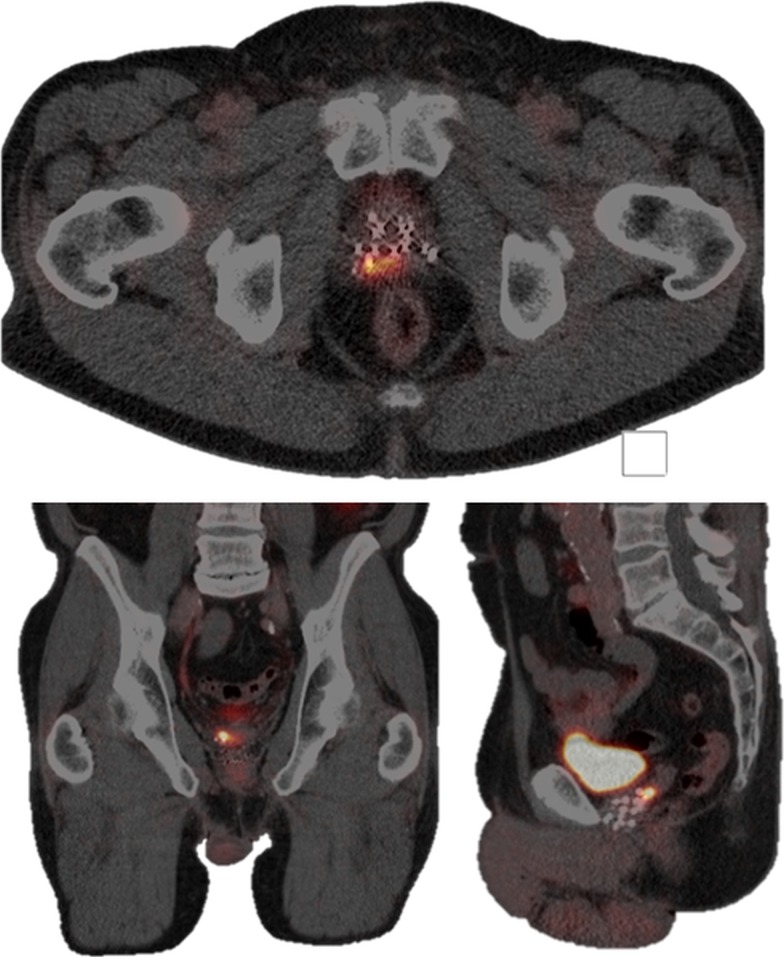
Figure 1
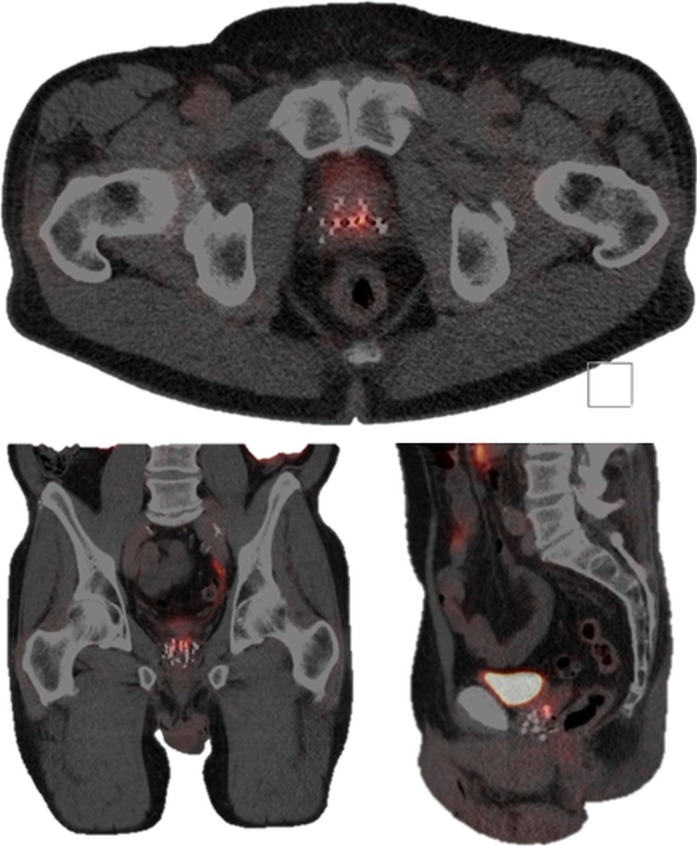
Figure 1. First recurrence lesion on 68Ga-PSMA PET-CT
Transversal plane (upper image), coronal plane (lower-left image), and sagittal plane (lower-right image) showing the first recurrence lesion in the right dorsal peripheral zone and in the right seminal vesicle on the 68Ga-PSMA PET-CT, nine years after initial prostate cancer treatment.
Figure 2
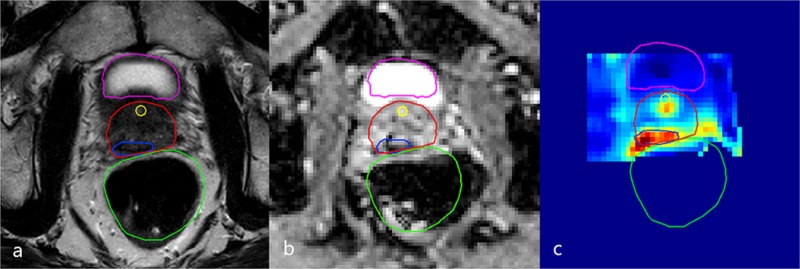
Figure 2. Diagnostic 3T mp-MRI revealing first recurrence lesion
Transversal plane of the diagnostic 3T multiparametric-magnetic resonance imaging (mp-MRI) revealing a suspect lesion in the right dorsal peripheral zone next to the prostate midline and in the right seminal vesicle. Delineations of the bladder (purple), urethra (yellow), rectum (green), prostate (red), and gross tumor volume (GTV, blue) are shown. In this case, the clinical target volume (CTV) was considered equal to the GTV because there was mainly seminal vesicle invasion. (a) T2-weighted image, (b) ADC image, (c) K-trans image
Figure 3
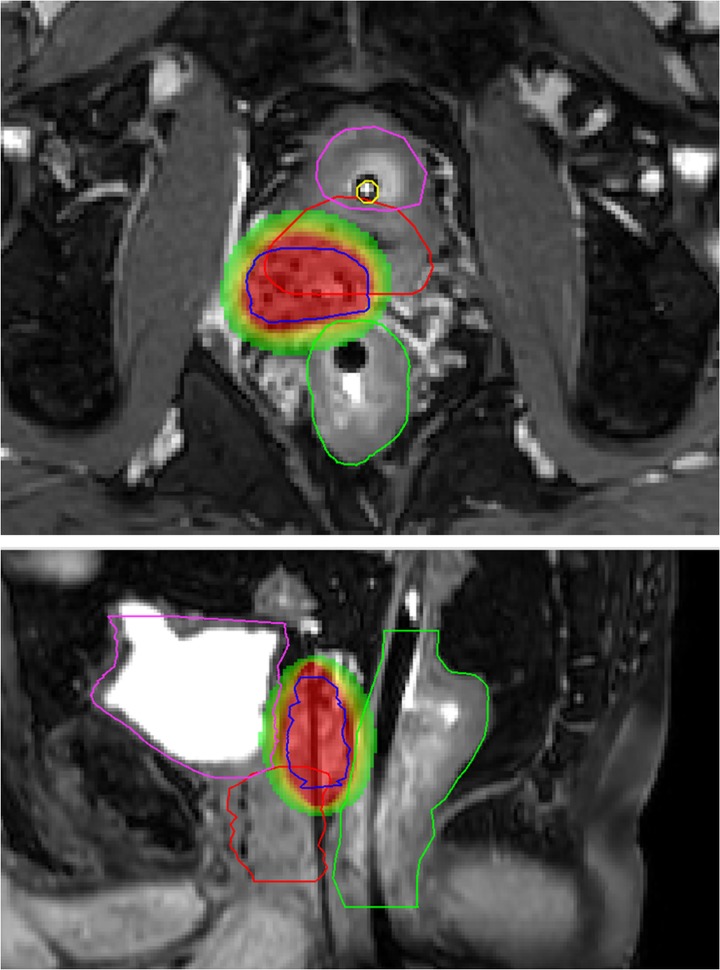
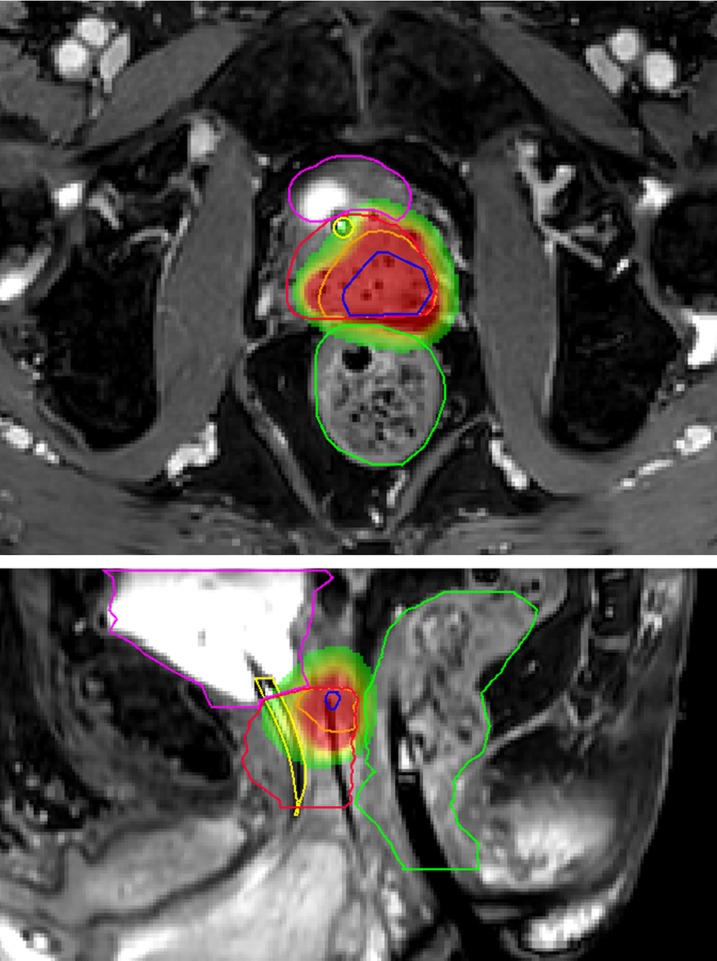
Figure 3. Dose distribution first MRI-guided focal salvage HDR-BT
Transversal plane (upper magnetic resonance (MR) image) and sagittal plane (lower MR image) showing delineations of the bladder (purple), urethra (yellow), rectum (green), prostate (red), and gross tumor volume (GTV, blue) in the right dorsal peripheral zone and the right seminal vesicle. The images show signal voids from the catheters and previously implanted iodine 125 seeds. On the sagittal image, one of the catheters is visible within the GTV. In this case, the clinical target volume (CTV) was considered equal to the GTV because there was mainly seminal vesicle invasion. Radiation dose is displayed in colors, with red representing 19Gy and green representing 9.5Gy. MRI: magnetic resonance imaging; HDR-BT: high-dose-rate brachytherapy
Figure 4
Figure 4. Second recurrence lesion on 68Ga-PSMA PET-CT
Transversal plane (upper image), coronal plane (lower-left image), and sagittal plane (lower-right image), showing the second recurrence lesion in the left dorsal peripheral zone on the 68Ga-PSMA PET-CT, 11 years after initial prostate cancer treatment. PSMA PET-CT: prostate-specific membrane antigen positron emission tomography-computed tomography
Figure 5
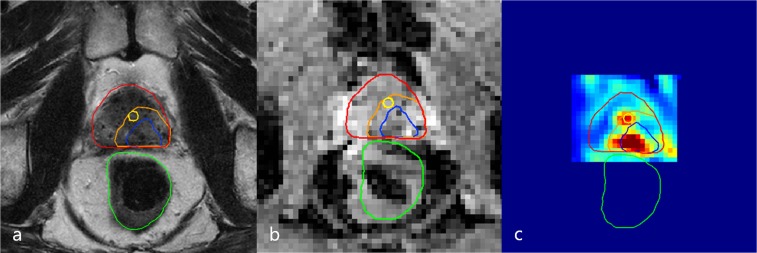
Figure 5. Diagnostic 3T mp-MRI revealing second recurrence lesion
Transversal plane of the diagnostic 3T mp-MRI revealing a suspect lesion in the left dorsal peripheral zone. Delineations of the urethra (yellow), rectum (green), prostate (red), gross tumor volume (GTV, blue), and clinical target volume (CTV, orange) are shown. (a) T2-weighted image, (b) ADC image, (c) K-trans image mp-MRI: multiparetic magnetic resonance imaging
Figure 6
Figure 6. Dose distribution second MRI-guided focal salvage HDR-BT
Transversal plane (upper MR image) and sagittal plane (lower MR image) showing delineations of the bladder (purple), urethra (yellow), rectum (green), prostate (red), gross tumor volume (GTV, blue), and clinical target volume (CTV, orange) in the left dorsal peripheral zone. The images show signal voids from the catheters and previously implanted iodine 125 seeds. On the sagittal image, one of the catheters is visible within the CTV. Radiation dose is displayed in colors, with red representing 19Gy and green representing 9.5Gy. HDR-BT: high-dose-rate brachytherapy; MRI: magnetic resonance imaging
Figure 7
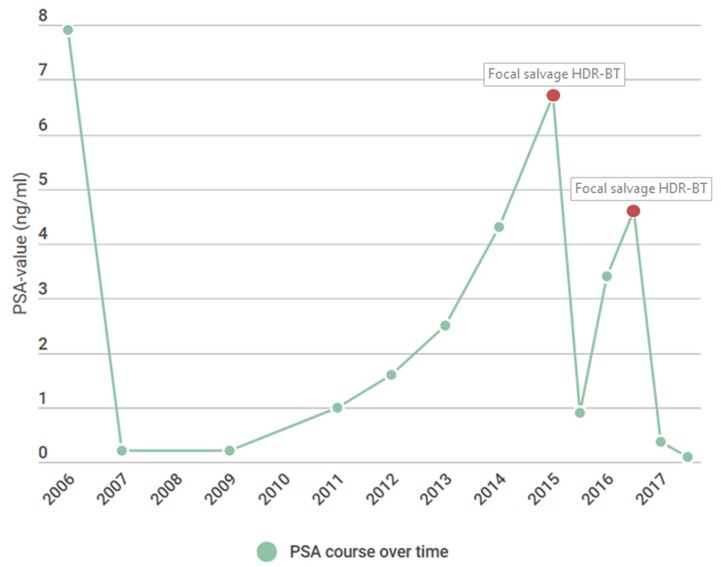
Figure 7. PSA value timeline
Timeline showing the course of PSA values over time. The first MRI-guided focal salvage HDR-BT was performed at a PSA level of 6.7 ng/ml. The second MRI-guided focal salvage HDR-BT was performed at a PSA-level of 4.6 ng/ml. HDR-BT: high-dose-rate brachytherapy; MRI: magnetic resonance imaging; PSA: protein-specific antigen

References

    1. EAU-ESTRO-SIOG guidelines on prostate cancer. Part 1: screening, diagnosis, and local treatment with curative intent. Mottet N, Bellmunt J, Bolla M, et al. Eur Urol. 2017;71:618–629. - PubMed
    1. Impact of radiation therapy dose escalation on prostate cancer outcomes and toxicities. Zaorsky NG, Keith SW, Shaikh T, et al. Am J Clin Oncol. 2016;41:409–415. - PMC - PubMed
    1. Survival with newly diagnosed metastatic prostate cancer in the "docetaxel era": data from 917 patients in the control arm of the STAMPEDE trial (MRC PR08, CRUK/06/019) James ND, Spears MR, Clarke NW, et al. Eur Urol. 2015;67:1028–1038. - PubMed
    1. Salvage therapy options for local prostate cancer recurrence after primary radiotherapy: a literature review. Golbari NM, Katz AE. Curr Urol Rep. 2017;18:63. - PubMed
    1. The index lesion and the origin of prostate cancer. Ahmed HU. N Engl J Med. 2009;361:1704–1706. - PubMed

Publication types

LinkOut - more resources