


Cost-effectiveness analysis of guideline-based optimal care for venous leg ulcers in Australia
- PMID: 29880046
- PMCID: PMC5992639
- DOI: 10.1186/s12913-018-3234-3
Cost-effectiveness analysis of guideline-based optimal care for venous leg ulcers in Australia
Abstract
Background: Venous leg ulcers (VLUs) are expensive to treat and impair quality of life of affected individuals. Although improved healing and reduced recurrence rates have been observed following the introduction of evidence-based guidelines, a significant evidence-practice gap exists. Compression is the recommended first-line therapy for treatment of VLUs but unlike many other developed countries, the Australian health system does not subsidise compression therapy. The objective of this study is to estimate the cost-effectiveness of guideline-based care for VLUs that includes public sector reimbursement for compression therapy for affected individuals in Australia.
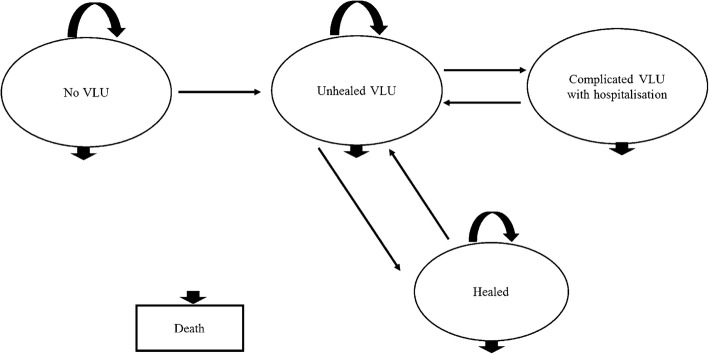
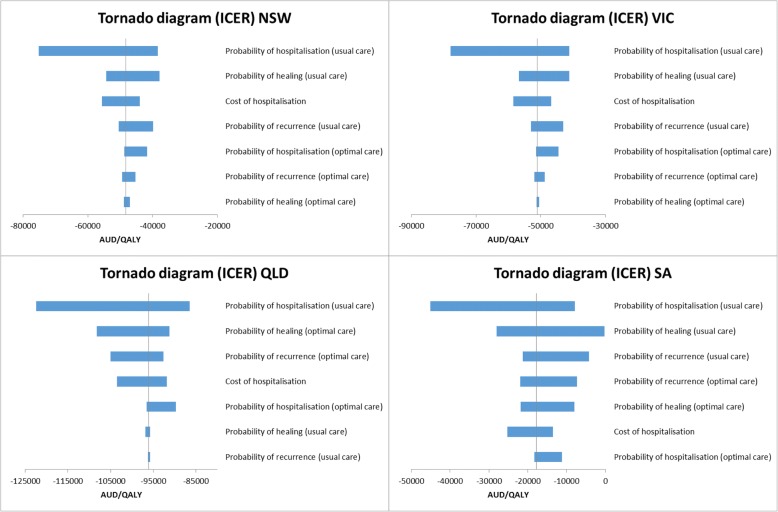
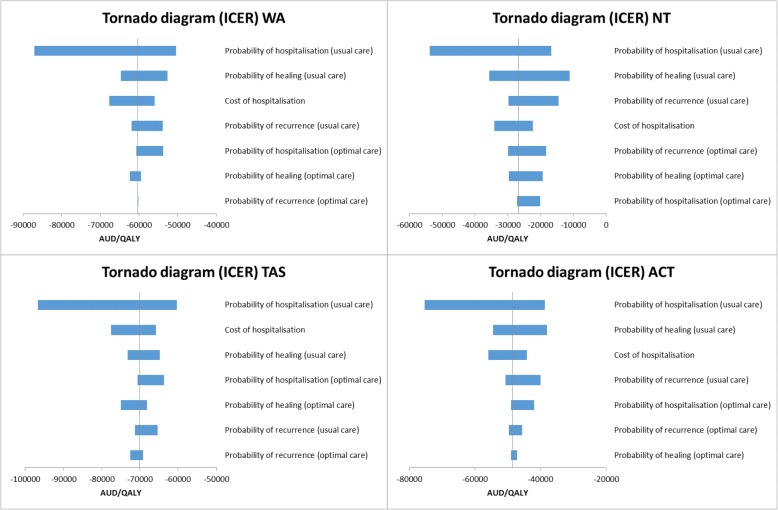
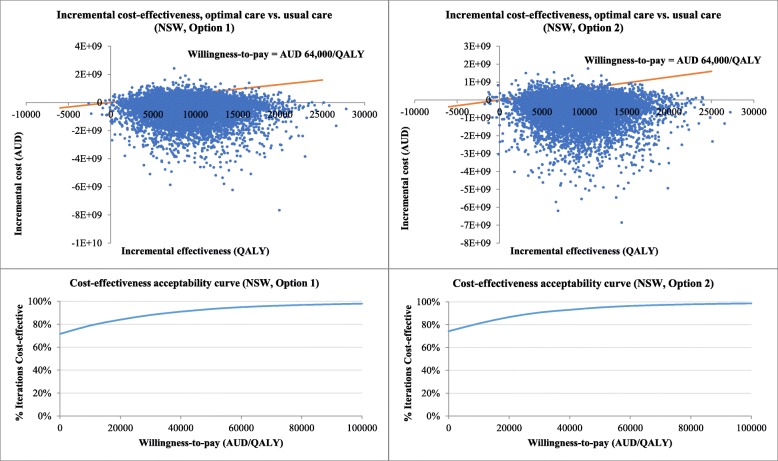
Methods: A Markov model was designed to simulate the progression of VLU for patients receiving guideline-based optimal prevention and treatment, with reimbursement for compression therapy, and then compared to usual care in each State and Territory in Australia. Model inputs were derived from published literature, expert opinion, and government documents. The primary outcomes were changes to costs and health outcomes from a decision to implement guideline-based optimal care compared with the continuation of usual care. Sensitivity analyses were performed to test the robustness of model results.
Results: Guideline-based optimal care incurred lower total costs and improved quality of life of patients in all States and Territories in Australia regardless of the health service provider. We estimated that providing compression therapy products to affected individuals would cost the health system an additional AUD 270 million over 5 years but would result in cost savings of about AUD 1.4 billion to the health system over the same period. An evaluation of unfavourable values for key model parameters revealed a wide margin of confidence to support the findings.
Conclusions: This study shows that guideline-based optimal care would be a cost-effective and cost-saving strategy to manage VLUs in Australia. Results from this study support wider adoption of guideline-based care for VLUs and the reimbursement of compression therapy. Other countries that face similar issues may benefit from investing in guideline-based wound care.
Keywords: Cost-effectiveness; Guideline-based care; Markov model; Venous leg ulcer; Wound management.
Conflict of interest statement
Ethics approval and consent to participate
Not applicable.
Competing interests
The authors declare that they have no competing interests.
Publisher’s Note
Springer Nature remains neutral with regard to jurisdictional claims in published maps and institutional affiliations.
Figures
References
-
- Australian Wound Management Association. KPMG Health Econ report: An economic evaluation of compression therapy for venous leg ulcers. Canberra: Australian Wound Management Association; 2013.
-
- Australian Wound Management Association, New Zealand Wound Care Society . Australian and New Zealand Clinical Practice Guideline for Prevention and Management of Venous Leg Ulcers. 2011.
Publication types
MeSH terms
LinkOut - more resources
Full Text Sources
Other Literature Sources
Medical
Miscellaneous
