Genetic Characterization of the Patois Serogroup (Genus Orthobunyavirus; Family Peribunyaviridae) and Evidence That Estero Real Virus is a Member of the Genus Orthonairovirus
- PMID: 29893199
- PMCID: PMC6090349
- DOI: 10.4269/ajtmh.18-0201
Genetic Characterization of the Patois Serogroup (Genus Orthobunyavirus; Family Peribunyaviridae) and Evidence That Estero Real Virus is a Member of the Genus Orthonairovirus
Abstract
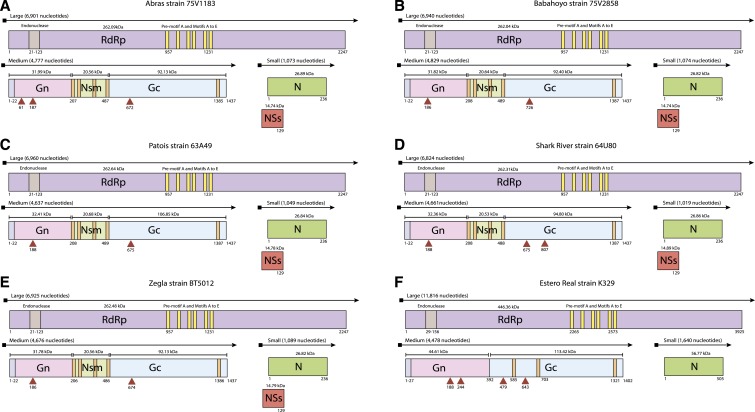
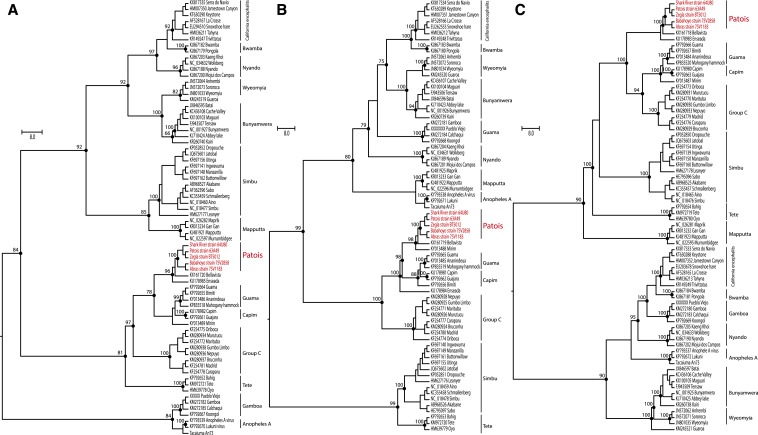
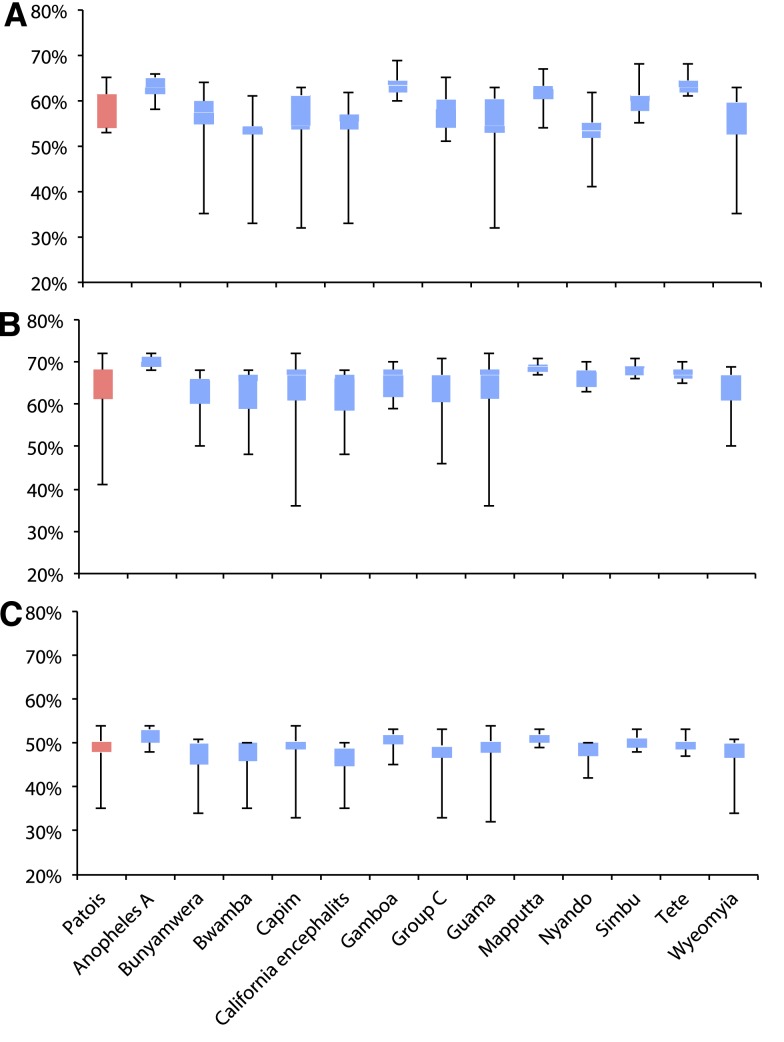
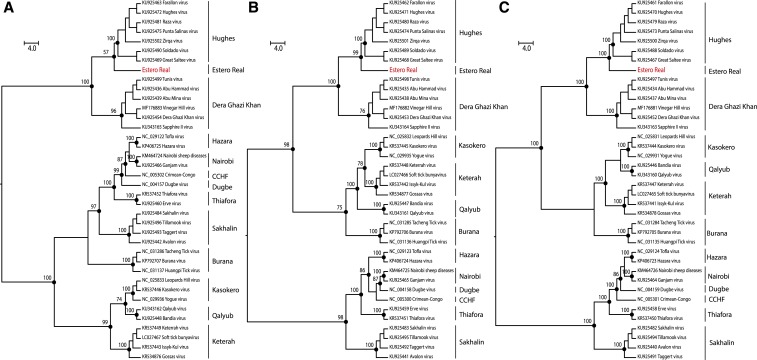
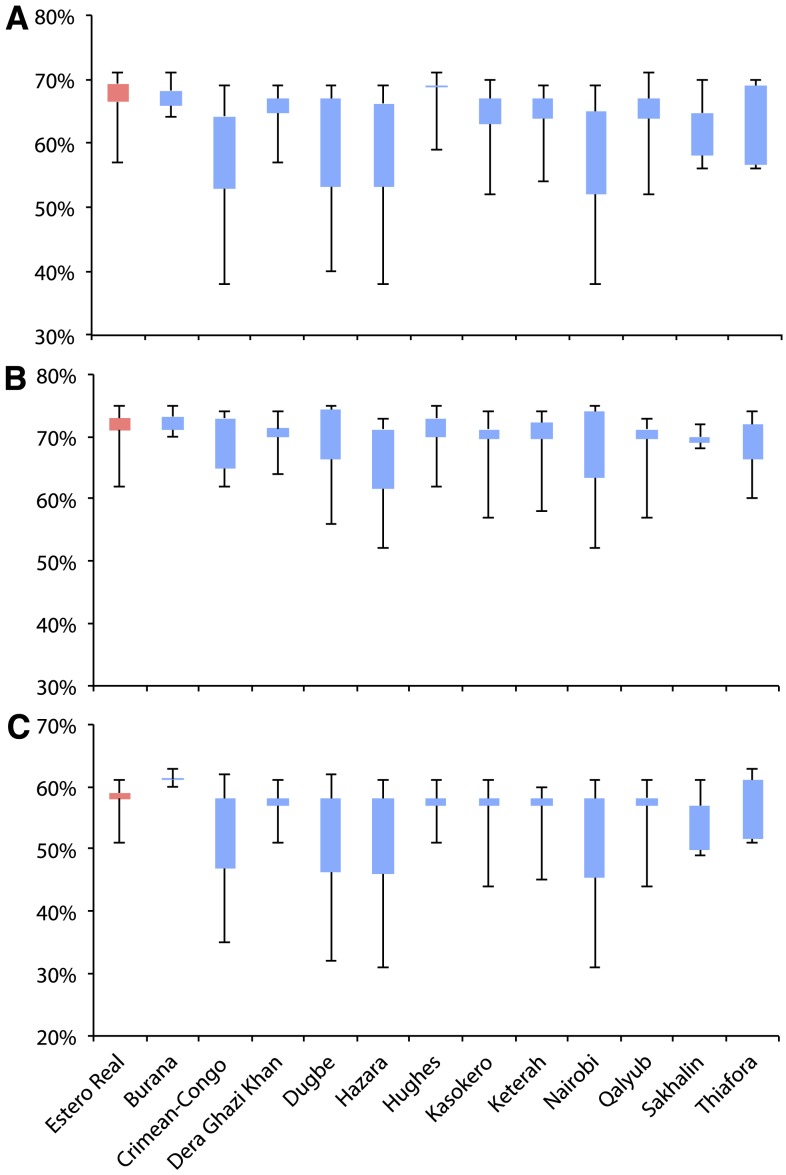
Estero Real virus (ERV) was isolated in 1980 from Ornithodoros tadaridae ticks collected in El Estero Real, Sancti Spiritus, Cuba. Antigenic characterization of the isolate based on serological methods found a relationship with Abras and Zegla viruses and, consequently, the virus was classified taxonomically within the Patois serogroup. Given the fact that genetic characterization of Patois serogroup viruses has not yet been reported and that ERV is the only virus within the Patois serogroup isolated from ticks, we recently conducted nearly complete genome sequencing in an attempt to gain further insight into the genetic relationship of ERV with other Patois serogroup viruses and members of Peribunyaviridae family (Bunyavirales order). With the exception of ERV, our sequencing and phylogenetic studies revealed the close relationship of the Patois serogroup viruses to each other, forming a clear divergent clade from other members of the Orthobunyavirus genus (Peribunyaviridae family). Notably, our analysis also revealed that ERV forms a monophyletic clade that is closely related to species of the Orthonairovirus genus (Nairoviridae family) in all the genome segments. In light of these findings, we believe that the taxonomic classification of ERV should be revised.
Figures
References
-
- Adams MJ, et al. 2017. Changes to taxonomy and the International Code of Virus Classification and Nomenclature ratified by the International Committee on Taxonomy of Viruses (2017). Arch Virol 162: 2505–2538. - PubMed
-
- Calisher CH, 1996. Chapter 1, Elliot RM, ed. The Bunyaviridae. New York, NY: Springer 1–17.
-
- Scherer WF, Dickerman RW, Ordonez JV, Seymour C, Kramer LD, Jahrling PB, Powers CD, 1976. Ecologic studies of Venezuelan encephalitis virus and isolations of Nepuyo and Patois viruses during 1968–1973 at a marsh habitat near the epicenter of the 1969 outbreak in Guatemala. Am J Trop Med Hyg 25: 151–162. - PubMed
-
- Scherer WF, Dickerman RW, Cupp EW, Ordonez JV, 1985. Ecologic observations of Venezuelan encephalitis virus in vertebrates and isolations of Nepuyo and Patois viruses from sentinel hamsters at Pacific and Atlantic habitats in Guatemala, 1968–1980. Am J Trop Med Hyg 34: 790–798. - PubMed
-
- Srihongse S, Galindo P, Grayson MA, 1966. Isolation of group C arboviruses in Panama including two new members, Patois and Zegla. Am J Trop Med Hyg 15: 379–384. - PubMed
Publication types
MeSH terms
Substances
Grants and funding
LinkOut - more resources
Full Text Sources
Other Literature Sources