


Midlife weight gain is a risk factor for obesity-related cancer
- PMID: 29895939
- PMCID: PMC6008441
- DOI: 10.1038/s41416-018-0106-x
Midlife weight gain is a risk factor for obesity-related cancer
Abstract
Background: Overweight and diabetes are known cancer risk factors. This study examines independent and combined effects of weight gain and metabolic dysfunction during middle-adult years on obesity-related cancer risk.
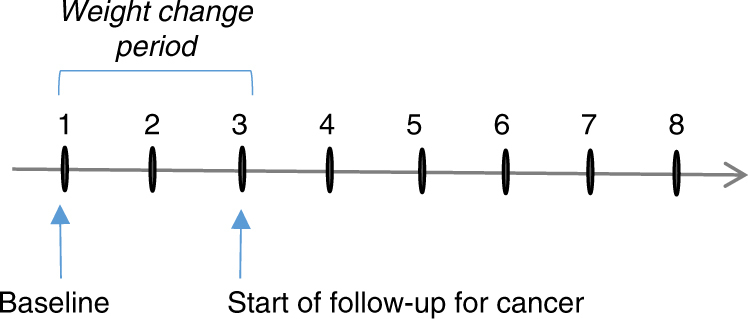
Methods: Subjects (n = 3850) aged 45-69 years at exams 3-5 in the Framingham Offspring Study were classified according to current and prior (~14 years earlier) weight status, interim weight change and prevalent metabolic dysfunction. Cancer risk among subjects who were overweight at baseline and remained overweight, as well as those who became overweight during follow-up, was compared with risk among normal-weight individuals.
Results: Gaining ≥0.45 kg (≥1.0 pound)/year (vs. maintaining stable weight) over ~14 years increased cancer risk by 38% (95% confidence interval (CI), 1.09, 1.76); combined with metabolic dysfunction, weight gain increased cancer risk by 77% (95% CI, 1.21, 2.59). Compared with non-overweight adults, men and women who became overweight during midlife had 2.18-fold and 1.60-fold increased cancer risks; those who were overweight from baseline had non-statistically significant 28 and 33% increased cancer risks, respectively, despite having a midlife body mass index that was 3.4 kg/m2 higher than those who gained weight later.
Conclusion: Midlife weight gain was a strong cancer risk factor. This excess risk was somewhat stronger among those with concurrent metabolic dysfunction.
Conflict of interest statement
The authors declare no competing interests.
Figures
References
Publication types
MeSH terms
Grants and funding
LinkOut - more resources
Full Text Sources
Other Literature Sources
Medical
