


Epidemiological trends and risk factors associated with dengue disease in Pakistan (1980-2014): a systematic literature search and analysis
- PMID: 29907109
- PMCID: PMC6003098
- DOI: 10.1186/s12889-018-5676-2
Epidemiological trends and risk factors associated with dengue disease in Pakistan (1980-2014): a systematic literature search and analysis
Abstract
Background: Dengue is becoming more common in Pakistan with its alarming spreading rate. A historical review needs to be carried out to find the root causes of dengue dynamics, the factors responsible for its spread and lastly to formulate future strategies for its control.
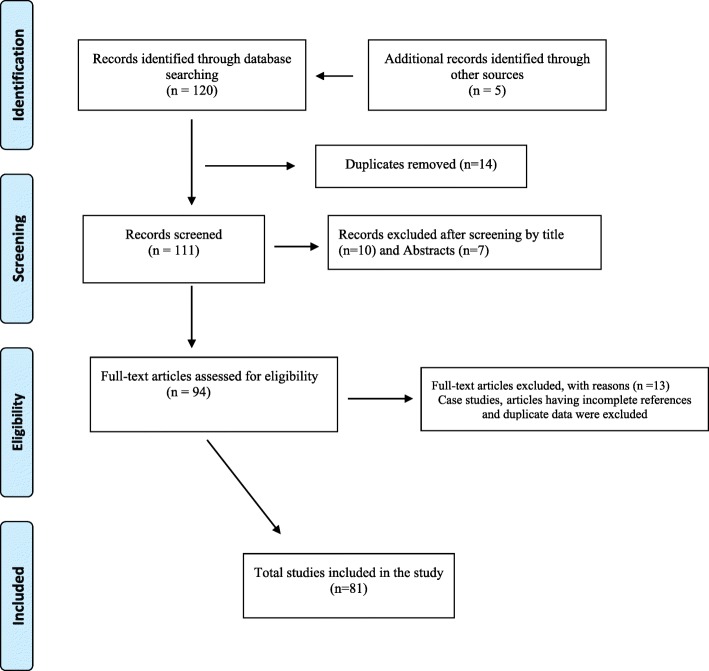
Methods: We searched (January, 2015) all the published literature between 1980 and 2014 to determine spread/burden of dengue disease in Pakistan.
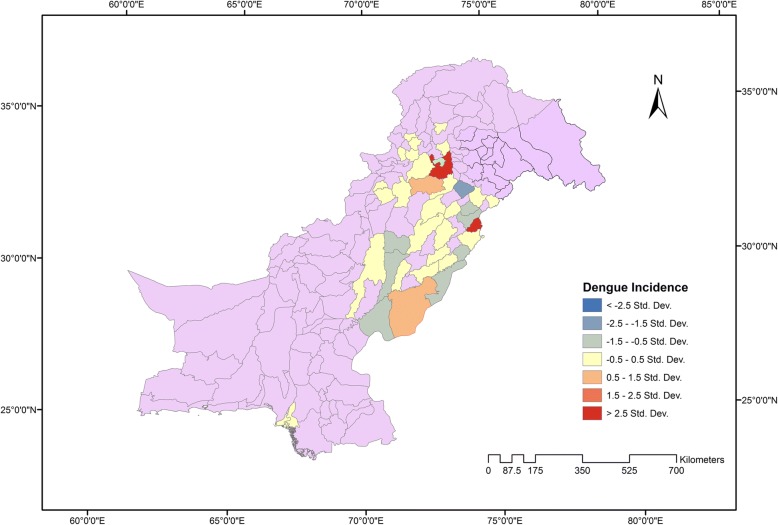
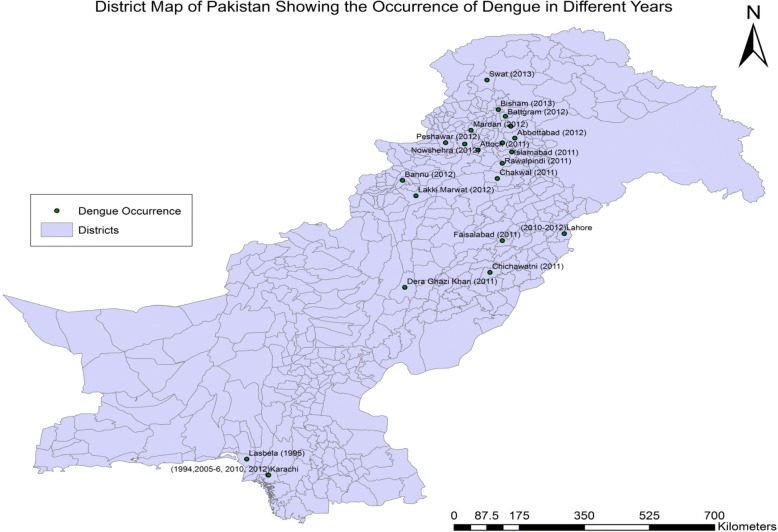
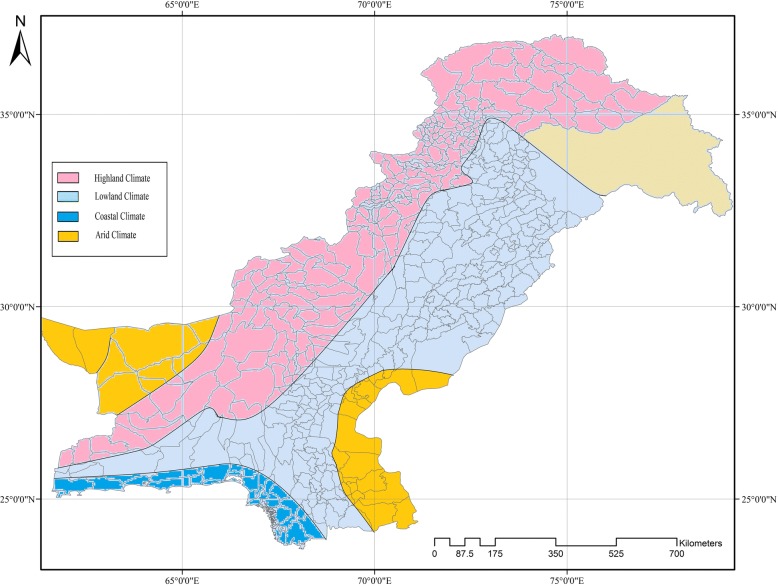
Results: A total of 81 reports were identified, showing high numbers of dengue cases in 2010, 2011, and 2013. The tendency of dengue to occur in younger than in older age groups was evident throughout the survey period and all four serotypes were recorded, with DENV1 the least common. Most dengue hemorrhagic fever (DHF) cases fell in the 20-45 years age range. High frequencies tended to be observed first in the Southern coastal region characterized by mild winters and humid warm summers and then the disease progressed towards the lowland areas of the Indus plain with cool winters, hot summers and monsoon rainfall. Based on this survey, new risk maps and infection estimates were identified reflecting public health burden imposed by dengue at the national level.
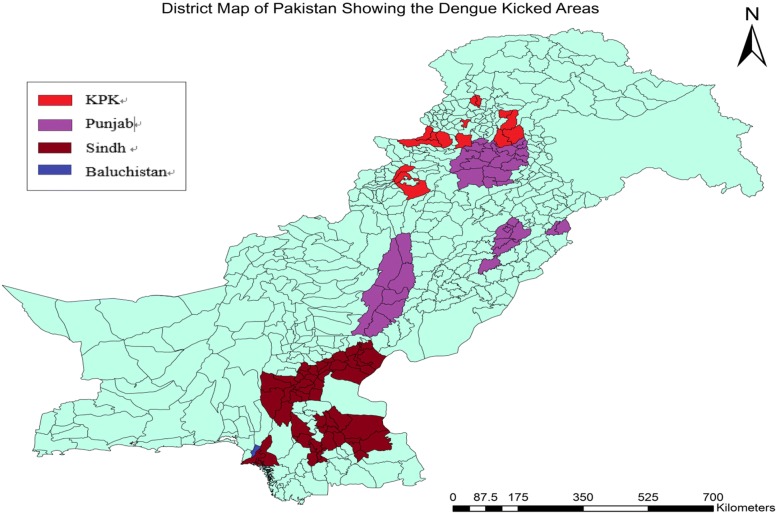
Conclusions: Our study showed that dengue is common in the three provinces of Pakistan, i.e., Khyber Pakhtunkhwa (KP), Punjab and Sindh. Based on the literature review as well as on our study analysis the current expansion of dengue seems multifactorial and may include climate change, virus evolution, and societal factors such as rapid urbanization, population growth and development, socioeconomic factors, as well as global travel and trade. Due to inadequate remedial strategies, effective vector control measures are essential to target the dengue vector mosquito where high levels of human-vector contact occur. The known social, economic, and disease burden of dengue is alarming globally and it is evident that the wider impact of this disease is grossly underestimated. An international multi-sectoral response, outlined in the WHO Global Strategy for Dengue Prevention and Control, 2012-2020, is now essential to reduce the significant influence of this disease in Dengue endemic areas. Overall gaps were identified in knowledge around seroprevalence, dengue incidence, vector control, genotype evolution and age-stratified serotype circulation.
Conflict of interest statement
Ethics approval and consent to participate
Not applicable.
Competing interests
The authors declare that they have no competing interests.
Publisher’s Note
Springer Nature remains neutral with regard to jurisdictional claims in published maps and institutional affiliations.
Figures
References
-
- Khan J, Khan A. Incidence of dengue in 2013: dengue outbreak in district swat, Khyber Pakhtunkhwa, Pakistan. Inter J Fauna Biolo Stud. 2015;2:1–7.
Publication types
MeSH terms
LinkOut - more resources
Full Text Sources
Other Literature Sources
Medical
