


Intermittent oral levetiracetam reduced recurrence of febrile seizure accompanied with epileptiform discharge: a pilot study
- PMID: 29907116
- PMCID: PMC6003147
- DOI: 10.1186/s13052-018-0507-8
Intermittent oral levetiracetam reduced recurrence of febrile seizure accompanied with epileptiform discharge: a pilot study
Abstract
Background: In previous study, we have found intermittent oral levetiracetam (LEV) can effectively prevent recurrence of febrile seizure (FS). This study aimed to analyze the effects of the preventive on the patients with frequent FS accompanied with epileptiform discharge.
Methods: Patients with frequent FS were assigned to undergo Electroencephalogram (EEG). At the onset of fever, the patients who presented epileptiform discharge were orally administered with LEV with a dose of 15-30 mg/kg per day twice daily for 1 week, thereafter, the dosage was gradually reduced until totally discontinued in the second week. The seizure frequency associated with febrile events and FS recurrence rate during a 48-week follow-up were analyzed.
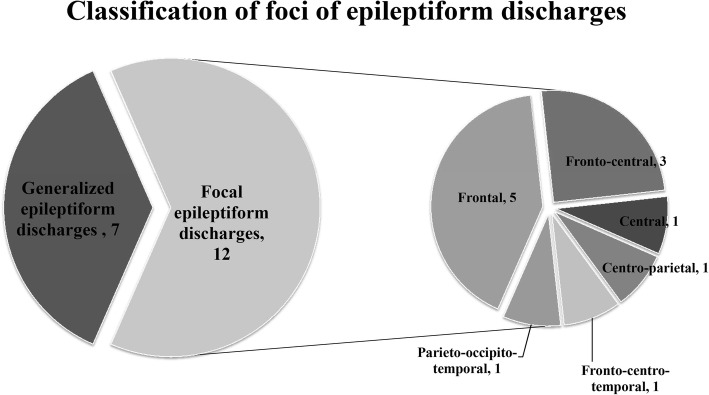
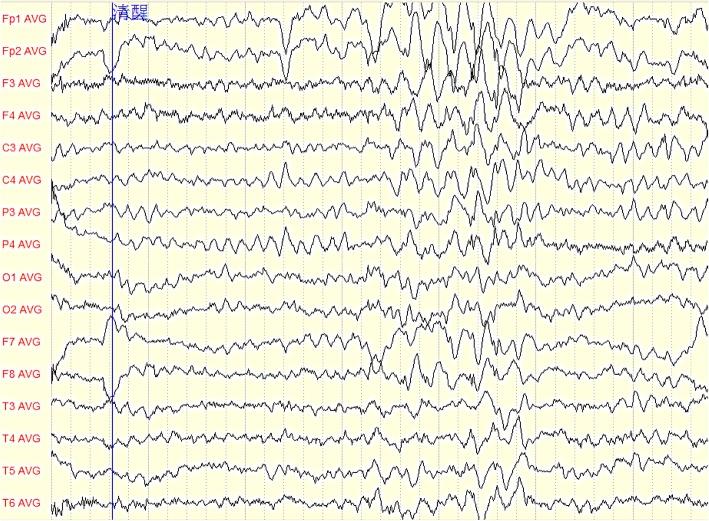
Results: among the 19 patients presented epileptiform discharge on EEG, 31.58% (6 of 19) had complex FS, 68.42% (13 of 19) had simple FS. Up to 57.89% (11 of 19) had a family history of seizure disorder and 36.84% (7 of 19) had a family history of FS in first-degree relatives. 42.11% (8 of 19) happened the first FS episode at the age < 18 months. 36.84% (7/19) presented generalized spikes, 63.16% (12/19) showed focal spikes. During the 48-week follow-up period, the patients experienced 26 febrile episodes, none of them presented seizure recurrence.
Conclusion: Intermittent oral LEV can prevent the seizure recurrence of FS accompanied with epileptiform discharge in 48-week. However, further randomized controlled trials should be conducted.
Trial registration: ChiCTR-IPR-15007241 ; Registered 1 January 2014 - Retrospectively registered.
Keywords: Children; Electroencephalogram; Epileptiform discharge; Febrile seizure; Levetiracetam.
Conflict of interest statement
Ethics approval and consent to participate
The present research was conducted in accordance with the Declaration of Helsinki and approved by the ethics committee of Chinese PLA General Hospital.
Consent for publication
The written informed consent was obtained from the parent/caregiver of each child before trial-related procedures were performed.
Competing interests
The authors declare that they have no competing interests. The corresponding author had full access to all the data in the study and had final responsibility for the decision to submit for publication.
Publisher’s Note
Springer Nature remains neutral with regard to jurisdictional claims in published maps and institutional affiliations.
Figures
References
-
- Fetveit A. Assessment of febrile seizures in children. Eur J Pediatr. 2008;167:17–7. - PubMed
MeSH terms
Substances
Grants and funding
LinkOut - more resources
Full Text Sources
Other Literature Sources
Medical
